


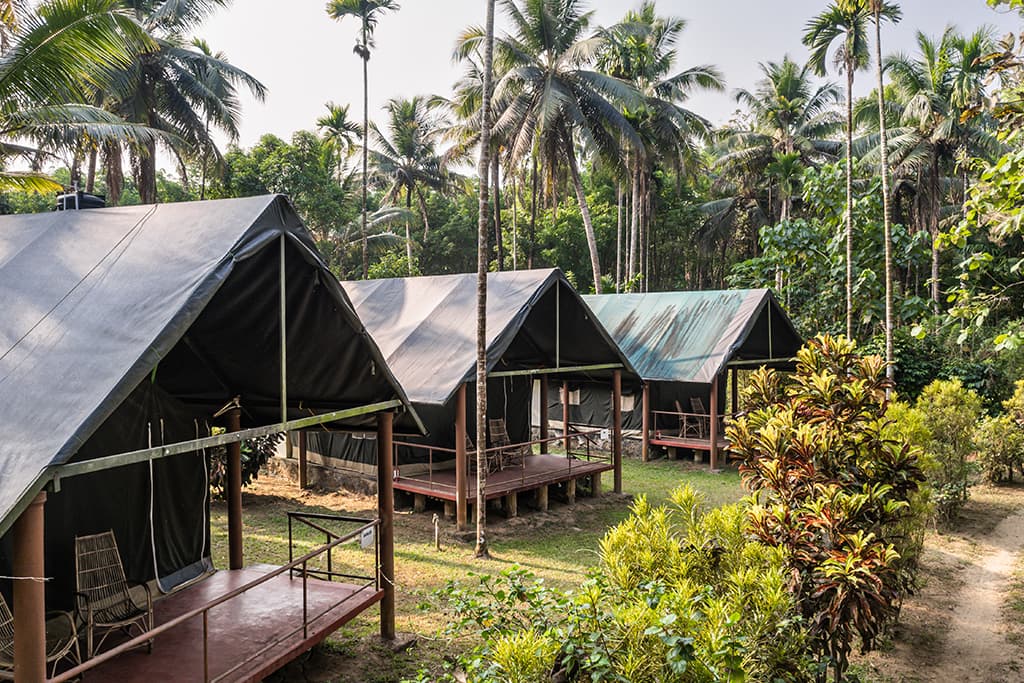
4.7
The Ultimate Adventure Through Japan
- Japan
- 11 nights
Hike to Japan's iconic sites and wild spots via neon cities, ancient temples, sacred mountains and pilgrimage trails
What's Included?
- Activities & Certified GuidesAll itinerary activities with expert, English-speaking guides
- All accommodation7 nights in comfortable hotels, 3 nights in traditional 'ryokans' and 1 night staying in a temple
- MealsAll breakfasts and 7 dinners
- TransfersAll transport from the start point in central Tokyo, plus luggage transfer between destinations
- EquipmentAll your kayaking and cycling equipment
- Maximum group size: 12Join small n’ sociable groups of like-minded, active and outdoorsy people – designed to be solo-friendly
Last few spotsFromexcluding flights
Highlights
Trek part of the remote Kumano Kodo, one of only two UNESCO-listed pilgrim routes in the world, to reach Nachi – Japan's tallest waterfall
Kayak and cycle around Lake Yamanakako, then kick back in a steaming onsen with astonishing views of iconic Mount Fuji
Roam zen gardens and splendid shrines in Kyoto and explore the bright lights of Tokyo and Osaka, where cutting edge modernity and ancient traditions co-exist
Spend a night at a temple with the Buddhist monks of Koyasan, and immerse yourself in Japanese culture as you bed down in cosy ryokans serving tasty traditional food
Itinerary
Day 1
Touch down in bustling Tokyo
HotelTwin shareDinner includedShow Day 1 detailHide detail
Konnichiwa – welcome to Japan! Upon arrival at Haneda or Narita Airport, make your own way to your hotel (see FAQ for info on the shuttle service) which is located in the buzzing central district of Shinjuku, bursting with contemporary urban culture, towering skyscrapers and countless shops and restaurants. As this trip includes very little time in Tokyo, we strongly recommend that you arrive at least a couple of days earlier to adjust to the jet lag and to experience all the amazing attractions the world's largest metropolis has to offer. Meet up with your guide and fellow adventurers at 16:00 in the hotel lobby to go through your itinerary together, then head out to explore the narrow, winding alleys of Shinjuku's nightlife district, filled with cosy eateries and bars. Tuck into your first Japanese meal in a local izakaya (a Japanese style pub), then get some rest in preparation for the adventure ahead.
Day 2
Iconic Fuji views and Oshino Hakkai village
HotelTwin shareBreakfast and dinner includedShow Day 2 detailHide detail
Escape bustling Tokyo after breakfast, and enjoy a comfortable 2.5-hour train ride towards the incredible Fuji Five Lakes area, journeying through lush mountain and forest scenery. Upon arrival in Kawaguchiko, travel by public transport to what is arguably Japan's most iconic viewpoint – Chureito Pagoda. Climb 400 steps up Mount Arakura to be rewarded (weather permitting!) with a sweeping panorama of the city below, with a backdrop of magnificent Mount Fuji. Take some time to enjoy the surrounding walking trails and viewing decks before you continue travelling to your next stop – the charming historic village of Oshino Hakkai, where traditional farmhouses sit among clear springs and ponds of meltwater from Mount Fuji. After a busy day of travelling and exploration, check in to your accommodation by Lake Yamanakako, the biggest of the Fuji five lakes.
Day 3
Kayak, cycle and soak in a traditional onsen
HotelTwin shareBreakfast includedShow Day 3 detailHide detail
Enjoy a laid-back day exploring beautiful Lake Yamanakako, the third-highest lake in Japan, offering majestic views of the Mount Fuji cone from multiple angles when the weather is clear. Set off on an easy bike ride along the easy trails that circle its shores, then hit the water for a bit of kayaking. At the end of the day, get ready for a rejuvenating experience as you'll visit a local onsen, (hot spring). Onsens are an integral part of Japanese culture which have been enjoyed for centuries for their therapeutic and relaxing properties. Soak in a variety of indoor and outdoor communal baths surrounded by a beautiful courtyard, with an incredible view over Japan's iconic mountain – bliss!
Day 4
Hike to Kyoto's Fujimi Inari Shrine
HotelTwin shareBreakfast includedShow Day 4 detailHide detail
Get ready for an early start today as you'll be travelling on to Kyoto – once Japan's ancient capital – which retains much of its historic charm with atmospheric temples, sublime zen gardens, traditional teahouses and geisha roaming the alleys. Your journey there (taking approximately five hours) will involve a mix of public transport including the famous high-speed Shinkansen train, a must-do for a full immersion into Japanese culture. You might want to get yourself a bento-style lunch on the way to eat on the train – just like the locals do. Upon arrival in the early afternoon, start your exploration of the city with one of Kyoto’s most iconic shrines, Fushimi Inari, famous for its thousands of reddish-orange torii gates. Your guide will lead you on a hike through the amazing network of trails winding up into the hills, and you can snap a few artistic shots. Time allowing, walk through the Fushimi District, stopping for some (optional) tastings in traditional sake breweries before returning to your hotel for a good night's sleep.
Day 5
Zen gardens, city temples and high views
HotelTwin shareBreakfast includedShow Day 5 detailHide detail
Spend today exploring some of Kyoto's iconic sights as well as its lesser-known spots, while enjoying an introduction to Buddhism and Shintoism in Japanese culture – particularly relevant, given the places and trails you'll be hiking over the next few days. Start with a bike ride along the Kamogawa River up to the renowned Ginkaku-ji, also known as the Silver Pavilion. Built over 500 years ago, this quintessential Zen temple is nestled in Kyoto's eastern mountains and is surrounded by sublime Japanese gardens dotted with ponds and moss. Next, take a short but steep hike up Mount Daimonji-yama, from where you’ll enjoy a great panoramic view of the city. On your way back to the hotel, walk along Philosopher’s Path, particularly scenic during the cherry blossom season. Back in town, the afternoon is yours for you to choose your own adventure – however active or relaxing you want it to be. Later on, don't miss a visit to the historic Gion area of town, where you might spot a geisha or two.
Day 6
Hike the river valley of Mount Takao
HotelTwin shareBreakfast includedShow Day 6 detailHide detail
Escape the city today to hike the scenic natural area in the northwestern mountains of Kyoto. The trail starts from the charming mountain hamlet of Takao, following a river downstream through the mountains and valleys to Hozukyo, passing by two superb thousand-year-old temples, a crystal-clear water course and a magical waterfall. The area is stunning year-round, but becomes particularly picturesque in autumn with mind-blowing colours. After the hike, you may decide to catch a train and bus back to the city for some rest or you can hop off in the popular district of Arashiyama to spend the afternoon exploring the famous bamboo grove, relaxing in a few of the dozens of zen gardens, or mingling with hundreds of friendly, semi-wild Japanese macaques (snow monkeys).
Day 7
The sacred trails of Koyasan
Temple StayTwin shareBreakfast and dinner includedShow Day 7 detailHide detail
Today, you’ll be swapping the fast rhythm of city life for the serene beauty of Koyasan’s forested mountains – one of Japan's most sacred sites and the most important centre of Shingon Buddhism. Leave your hotel after breakfast and take a local train towards Mount Koya (on a journey of around 2.5 hours), where you'll alight to trek part of the Koya-san Choishi Michi trail, passing by the stone signposts (choishi) which stand every few hundred metres, which were placed to help the original pilgrims find their way. Reach the monastery complex and stroll around the serene grounds of Okunoin Cemetery, the final resting place of many of the nation’s most important historical and religious figures. Tonight you'll experience an overnight stay at a simple temple lodging (shukubo) where you can get a taste of a Buddhist monk's lifestyle: eating vegetarian cuisine (shojin ryori) and experiencing back-to-basics living, surrounded by peace and nature.
Day 8
Morning prayers and ancient hot springs in Yunomine Onsen
RyokanTwin shareBreakfast and dinner includedShow Day 8 detailHide detail
Awake early to join the monks for morning prayers, if you wish. Then, set off on a scenic journey (of approximately 4.5 hours) to Yunomine Onsen, weaving through the mountains. Tucked away in the Kii mountains of Wakayama, this remote mountain village hosts what is thought to be the oldest onsen in Japan. UNESCO-listed, it has a history dating back over 1,800 years. Hostels and inns here have long provided respite for trekkers walking the ancient Kumano Kodo Pilgrimage Route (opens in new tab), which you'll be following for the next two days. You’ll also get the chance to soak in these special medicinal waters after a walk around the village and a visit to Kumano Hongu Taisha – one of the three grand Shinto shrines on this unique pilgrimage trail.
Day 9
The Kumano Kodo trail to Koguchi
RyokanTwin shareBreakfast and dinner includedShow Day 9 detailHide detail
Get up early this morning to hike part of the historic Kumano Kodo (opens in new tab) – one of only two World Heritage-listed pilgrimage routes on the planet. You'll be hiking the Nakahechi section, which traverses east into the mountains towards the Kumano grand shrines. From the 10th century, this route was extensively used by the Imperial Family on pilgrimage from Kyoto. After a short ride by public bus, begin a gradual ascent followed by a continuously undulating trail to the Sakura-toge Pass. You'll be surrounded by pristine, natural forest filled with beautiful cedar and cypress trees. Upon reaching the Hyakken-gura Peak, you’ll be greeted with sweeping views of the mountainous terrain of Wakayama. After that, the trail descends rapidly into the valley below to the small mountain village of Koguchi, nestled by the Akagi-gawa River, where you'll bed down for the night in a local inn.
Day 10
Kumano Kodo trail to Nachi Taisha
RyokanTwin shareBreakfast and dinner includedShow Day 10 detailHide detail
Rise early and get ready for an epic full-day hike along the sacred Kumano Kodo trail. Today's hike will be a challenging one! (If you are not feeling up to it, there's always the option to take a local bus to the hike end point and explore the area by yourself, while you wait for the rest of your group.) The ascent from Koguchi has a fierce reputation, and for good reason: expect over two hours of steep ascent at a steady pace. The paths are uneven at times with roots, loose rocks and lots of stone steps. However, you'll be rewarded with some beautiful ups and downs, surrounded by forest and birdsong, until you reach the Funami-toge Pass and the remains of the old Funami-jaya teahouse, offering a brilliant view of the Pacific Ocean and the fishing village of Katsuura on a clear day. Continue mostly downhill for the rest of the trek to Nachi Kogen Park, then down to the Nachisan Sanctuary, where you'll finally reach the stunning Seiganto-ji Pagoda and Japan's tallest waterfall, with an uninterrupted drop of 133 metres surrounded by primaeval forest. Enjoy the sublime evergreen scenery – and a sense of accomplishment! – before heading to Kii Katsuura by bus in the late afternoon.
Day 11
Osaka city lights
HotelTwin shareBreakfast and dinner includedShow Day 11 detailHide detail
In the morning, visit the local tuna market, where fish from the cool waters of the Pacific is traded daily. Then hop on a train and rest your legs on the long journey to Osaka (approximately five hours). Check in to your hotel in the afternoon and enjoy some free time to relax and freshen up, before heading out for a walking tour with your guide around the famous Dotombori – the city’s most popular shopping, food and entertainment district. It is at night that this area really comes to life, with hundreds of neon lights and signs glowing in the streets. Enjoy a farewell dinner at a downtown restaurant and gaze out across the city as you toast the end of your unforgettable Japanese adventure!
Day 12
Sayonara Japan!
Breakfast includedShow Day 12 detailHide detail
It’s time to bid farewell to your guide and your group after breakfast; you are free to depart any time. If you have later onward connections, you will be able to store your luggage at the hotel reception during the day. If you have the time, we thoroughly recommend staying on for a few extra days to explore more of this unique country. You can choose to fly back home from Kansai Airport near Osaka, or alternatively, hop on the 2.5-hour bullet train back to Tokyo and depart from there.
Practical Stuff
Getting There
- Fly into
- Tokyo Haneda International Airport (HND)
- Fly out of
- Kansai International Airport (KIX)
- Pick up
- Your hotel in Tokyo
16:00 on Day 1 - Drop off
- Osaka city centre
Depart any time on Day 12
This Trip is Graded Level 3
- Level 3
Moderate
For active people who want to explore more wild and adventurous places
- How much activity is involved?
Multiple days of steady activity, four to five hours long
The active and fast-paced nature of this trip means that the fitter you are, the more you will be able to enjoy it. Previous hiking and cycling experience is preferable, altho...
- Right level, wrong trip?
Browse all our Moderate trips
Your next adventure is out there

 Not sure which level is right?
There's a level for everyone – find your match
What is and isn't Included?
What's included
- Guided hike in the Fuji Five Lakes area, with iconic views of Mt. Fuji
- 2hr bike ride around Lake Yamanakako
- 2hr kayaking session on Lake Yamanakako
- Visit to an onsen with views of Mt. Fuji
- Hike to the Fushimi Inari shrine in Kyoto
- Bike ride along the Kamogawa River in Kyoto
- Guided hike to the Zen temple of Ginkaku-ji (Silver Pavilion), up Mount Daimonji-yama and along the Philosopher's Path
- Guided hike in the river valley of Mount Takao
- Guided hike on the sacred trails of Koyasan
- Visit to the Shinto shrine of Kumano Hongu Taisha
- 2 days of guided trekking on the historic Kumano Kodo pilgrimage route
- Visit to Nachi waterfall
- Walking tour in Osaka
- Expert, local, English-speaking guides
- 7 nights in comfortable hotels,
- 3 nights in traditional Japanese 'ryokans'
- 1 night staying in a Buddhist temple
- All (11) breakfasts
- 7 tasty Japanese dinners
- All transport during the trip, from the start point in central Tokyo to the end point in central Osaka
- Luggage transfer service between destinations (see FAQ for more info)
- All your kayaking and cycling equipment
What's not included
Our trips do not include flights, trains or other travel to the start point and back from the end point.
Transfers to and from the airport are not included on this trip - this is journey is easily done by public transport. See the 'Getting There' section for more information.
Tipping isn't customary in Japan and is not expected – in fact, it will sometimes be considered impolite. As a general rule you should not leave a tip in Japan, with a few notable exceptions: one being tour guides. If you feel that your tour leader has provided excellent service over the course of your trip, you may want to show your appreciation of their services. Your host suggests 5000-10000 JPY per person in total as a guideline.
Of course, you are free to tip more or less, and the amount should be reflective of your perception of service and quality – a tip is not compulsory and should only be given when you receive excellent service.
Travel insurance is compulsory for all of our adventures and you are required to provide your policy information before departing. Your insurance should include adequate protection for overseas medical treatment, evacuation/repatriation, your baggage and equipment and the specific activities involved on your adventure. We also strongly recommend it includes cancellation and curtailment insurance, should you be unable to join your trip for specific reasons such as illness. Our recommended travel insurance provider is Campbell Irvine (opens in new tab), as their insurance offers all of the above.
Visa requirements often change, and you are responsible for obtaining any required visas for this trip. Please check with your nearest embassy or consulate for up-to-date advice.
You know your own spending habits best, so please budget an appropriate amount for things like optional meals, drinks, shopping, optional activities, and laundry. Make sure you have read the itinerary and inclusions thoroughly so you know what is included in the trip price and what you may need to pay for while travelling.
Where You'll Stay
Looking for a private room? See Optional Extras for details and pricing.
Tokyo
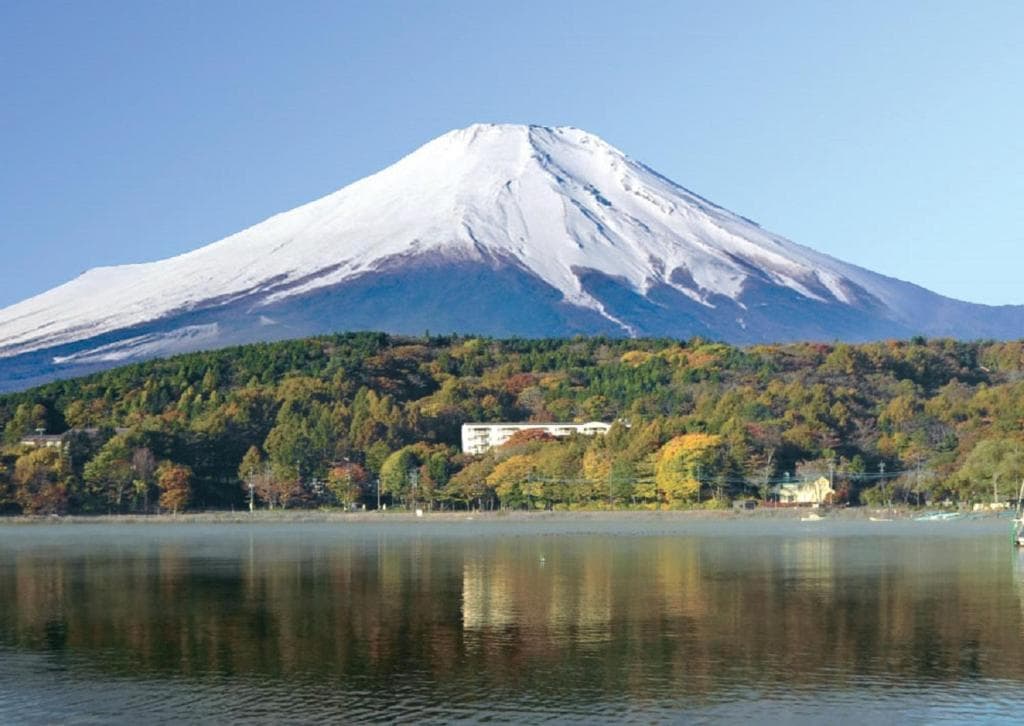
Yamanakako
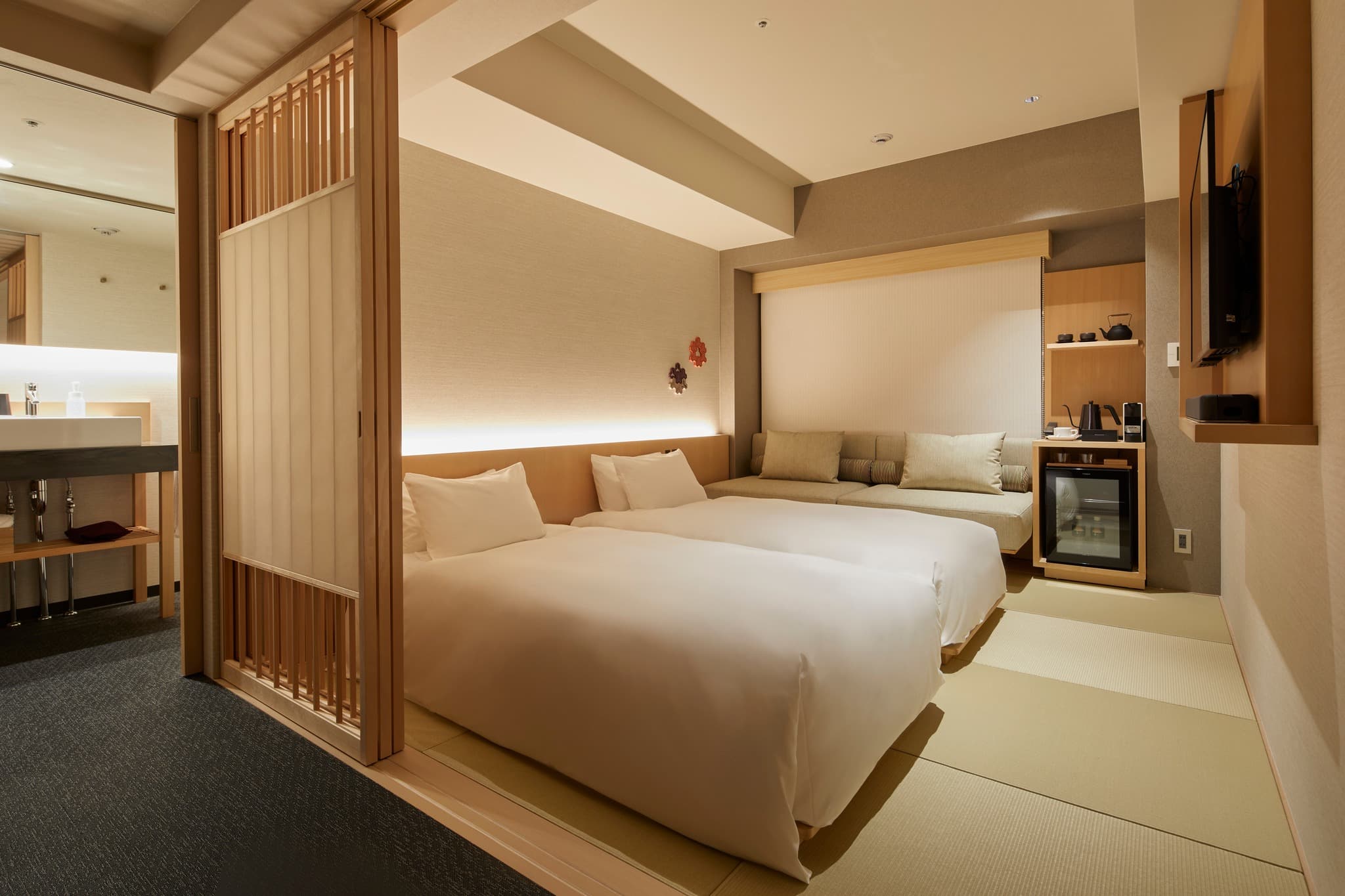
Kyoto
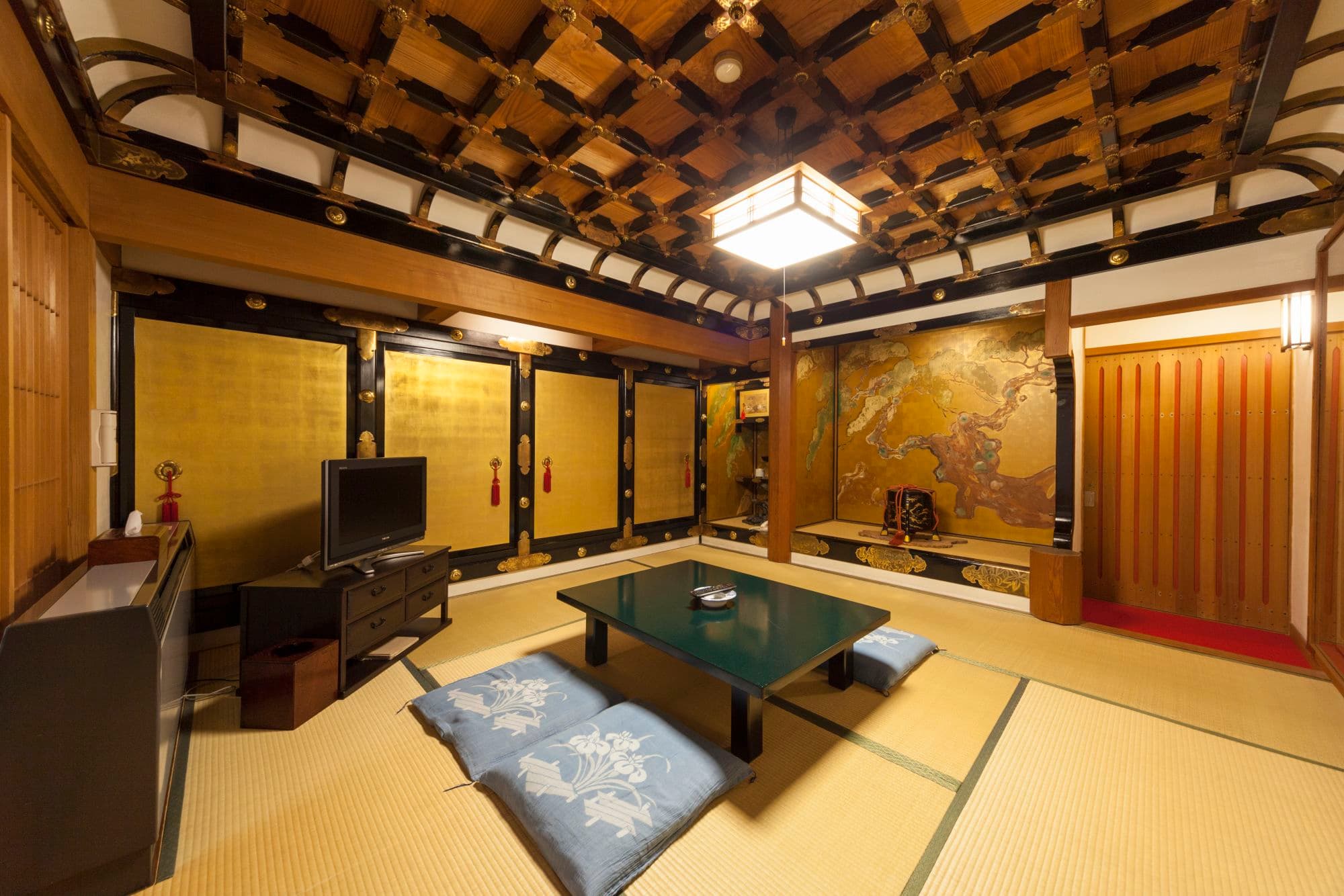
Koyasan
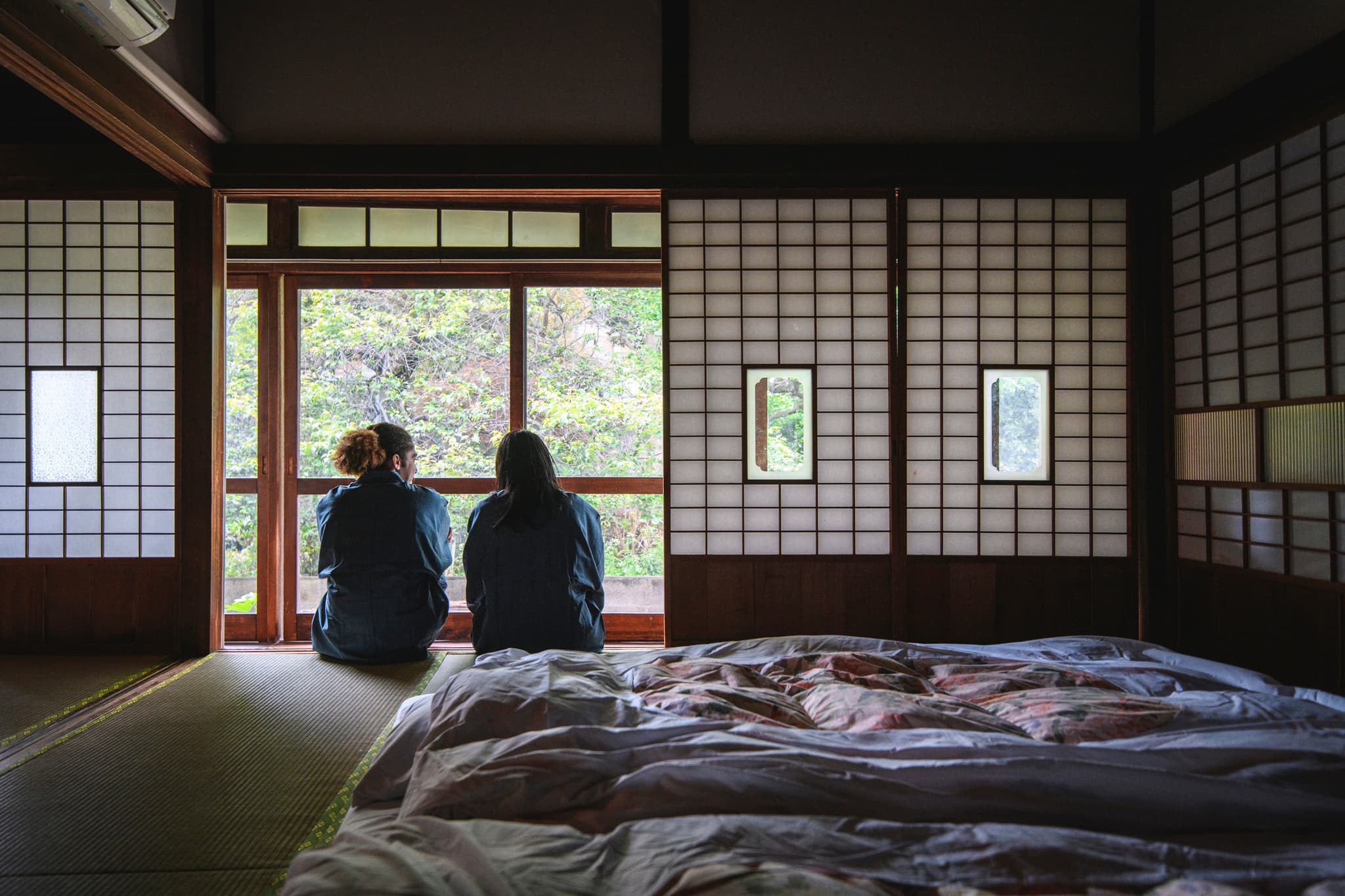
Kumano Kodo
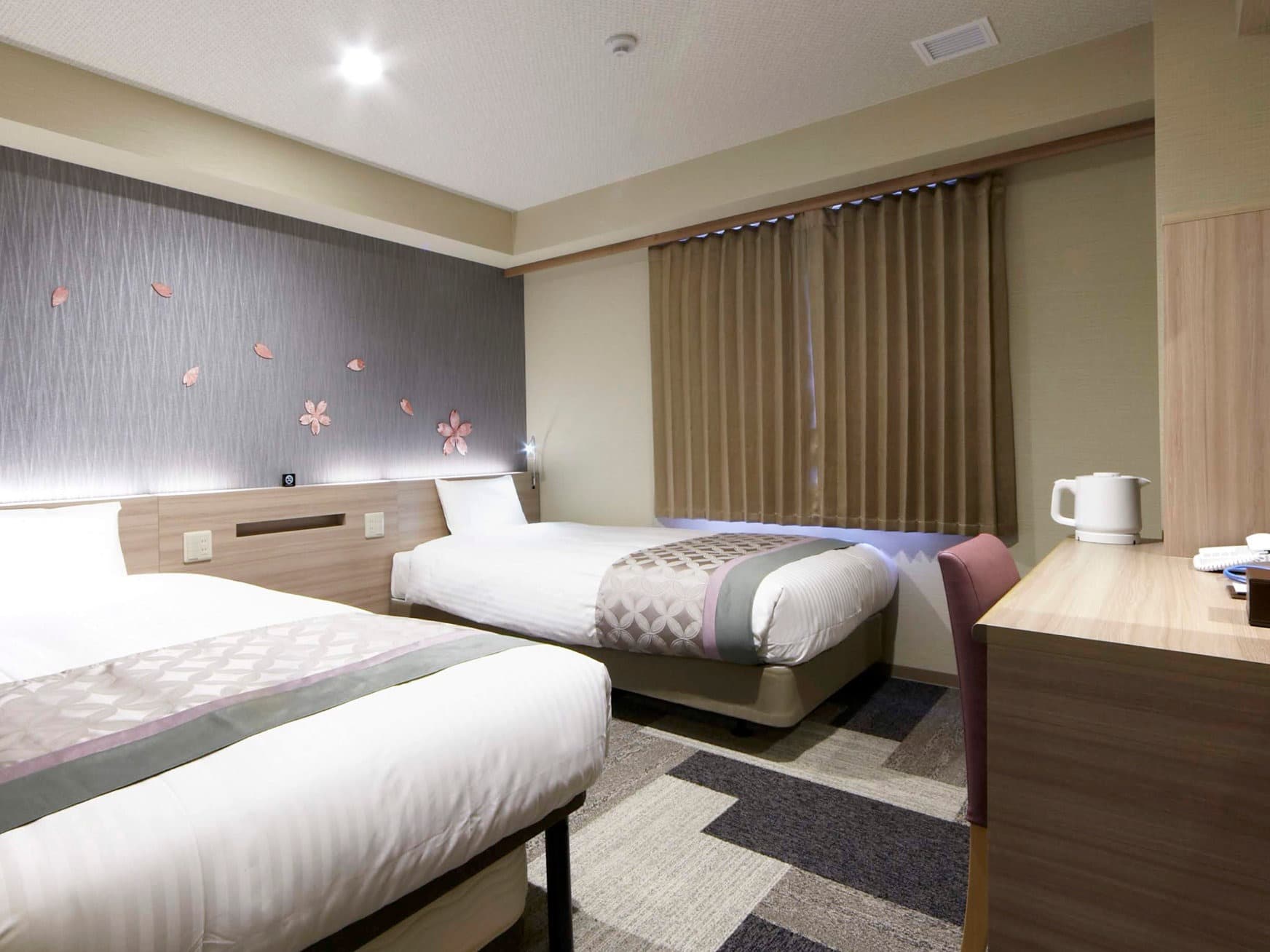
Osaka
What You'll Eat
Japanese cuisine will be without doubt a highlight of your trip, with deliciously fresh and varied dishes and a bowl of steamed rice included in most typical meals. Side dishes are called okazu and are served with miso soup. Meals tend to be fish- or…
Optional Extras
Upgrades
- Optional Private Room Upgrade (5 nights in Tokyo, Kyoto and Osaka)
- £349
For solo travellers looking for their own space, an optional private room can be requested for Days 1, 4, 5, 6 and 10 of this trip (while in Tokyo, Kyoto and Osaka; subject to availability). A private room is not available on the other nights. Please see Optional Extras for the price and add this as a request at the time of booking.
To request any extras, message your host via your Much Better Adventures account once you have booked your trip.
All extras must be paid before your trip starts.
Ratings & Reviews
4.775 reviews
Category rating
- Food
- 4.0
- Guides & crew
- 5.0
- Accommodation
- 4.0
- Itinerary
- 5.0
Latest Reviews
Customer Photos
Before You Travel
What to Pack
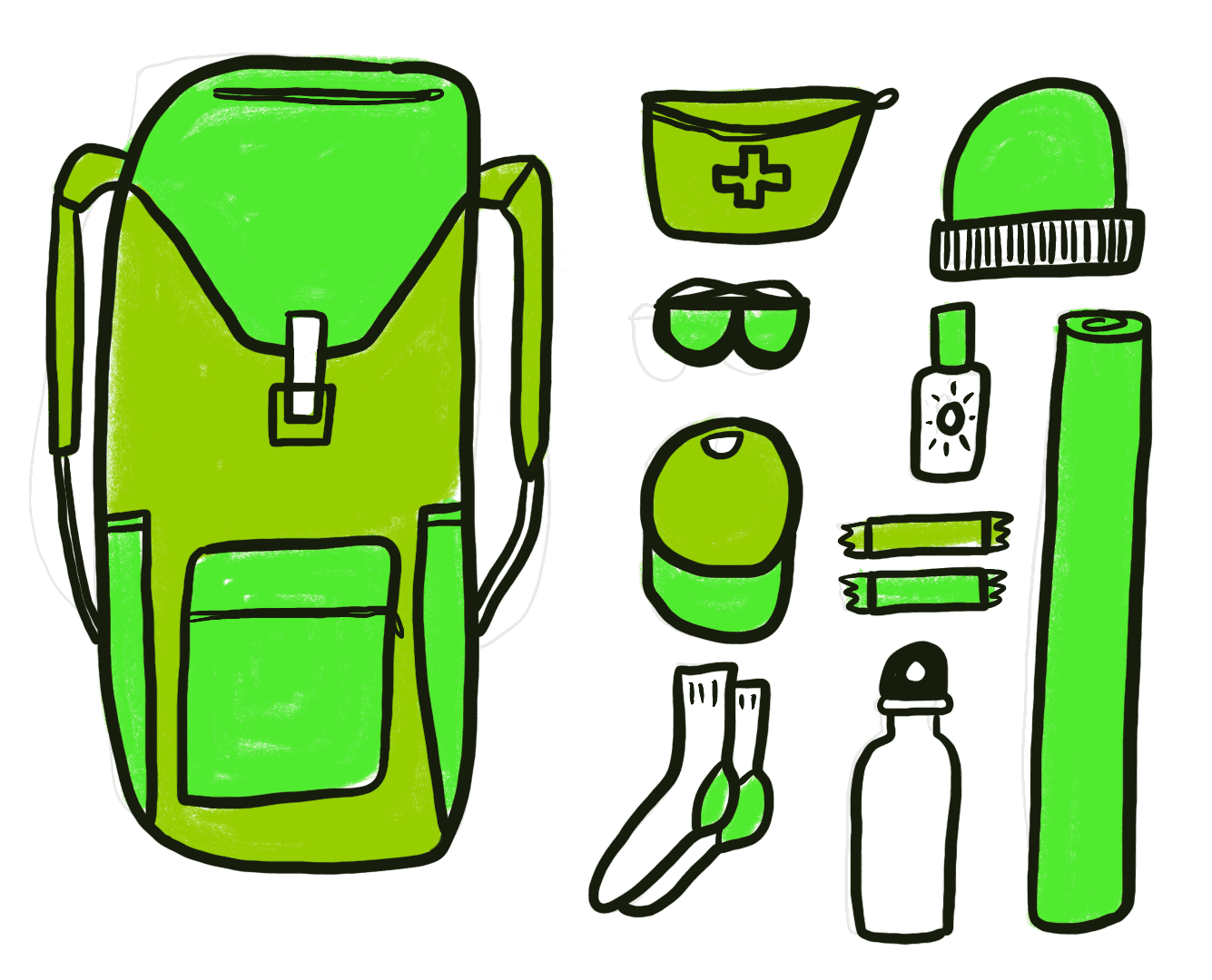
Know before you go! Some stuff we'll provide, other things you'll need to bring.
FAQs
Who at Much Better Adventures designed this trip?
Marta Marinelli, raised in Italy’s serene Prosecco Hills, dreamt of global adventures, inspired by her father's travel stories. Her passion evolved into a career, backed by a decade of studies including degrees in international tourism and destination management. She’s worked in the adventure travel sector since 2012, living in Italy, the UK, and now sunny Portugal.
Over twenty years, Marta has explored over 55 countries, visiting remote areas like Ghana, Rwanda, Sao Tome and Principe, Haiti and Nepal’s Upper Mustang region. As a Senior Adventure Expansion Manager at Much Better Adventures, she focuses on creating life-changing experiences, ranging from multi-activity adventures, challenging treks to ultimate adventures in iconic places. She loves the challenge of finding the best local adventure hosts around the world, collaborating on adventures that offer genuine immersion, pushing beyond the beaten path and working on exclusive itineraries that challenge your comfort zone.
What makes her tick? Enabling people to live adventure-rich lives while positively impacting and empowering local communities around the world, generating sustainable opportunities for both the host, guides, community, and the environment.
What do I do about drinking water?
Tap water in Japan is safe to drink so to avoid using single-use plastics, please bring a refillable water bottle with you which you can fill at the hotels, stations, public fountains and local inns.
What should I expect from a Japanese onsen?
The trip will include the chance to try some traditional Japanese onsens (hot springs). In public onsens, this means bathing naked with others of the same gender. While it can feel strange at first for some, most travellers end up really enjoying this unique experience. There is very specific etiquette for visiting an onsen and your leader will give you some tips and instructions during the trip. Please also be aware that travellers with large tattoos may not be permitted to enter public onsens.
What's Plan B in case of bad weather?
Please be aware that the itinerary, activities and hotels are subject to change. These changes can happen with little notice due to adverse weather, seasonal changes, or other circumstances beyond your host's control – but they will always do their best to ensure it has little impact on your experience. Your host or your leader will notify you should any significant changes be required for your particular departure date.
What should I know about money in Japan?
You know your own spending habits best, so please budget an appropriate amount for things like optional meals, drinks, shopping, optional activities, and laundry. Make sure you have read the itinerary and inclusions thoroughly so you know what is included in the trip price and what you may need to pay for while travelling.
The official currency of Japan is Yen (JPY). Japan is predominantly a cash society and locals carry large amounts of cash for daily business. International credit cards can usually only be used at major department stores or large restaurants, but cash from non-Japanese bank accounts can be withdrawn via the Cirrus and Maestro systems by direct debit (as well as Mastercard and Visa cash advance). This is now available at all post office ATMs around the country, as well as at 7-Eleven convenience store ATMs, making it very easy to get access to cash throughout the trip at each location 24 hours a day.
Can I book on my own?
Sure can! Over 70% of our travellers travel solo, it’s a great way to meet like-minded people.
Who is running the trip?
Our team of Adventure Hunters co-create exclusive adventures which are run by highly vetted, specialist hosts. The trip is run by our trusted host partner in the destination. We only work with independent, local, in-destination experts who know the very best places to explore and how to stay safe. Read more information about the local teams we partner with (opens in new tab). You’ll be introduced to the host straight after making a booking via the Much Better Adventures platform.
What is the official travel advice?
Much Better Adventures refer to the UK Government’s official travel advice when designing trips and monitoring trip operations. We recommend that all customers are familiar with the practical information provided on the Government’s FCDO website (opens in new tab), where current travel advice can be found by searching for the applicable destination(s).
For customers joining this trip from other international destinations – please also read the official travel advice applicable to your country of residence/origin, as this may differ.
What vaccinations do I need?
We recommend checking out the country-specific information (opens in new tab) and also talking to a travel nurse.
How are the trips priced?
We automatically convert prices from the local currency that a host receives to your chosen currency. We update our exchange rates on a daily basis so this does mean that prices displayed on the site are subject to currency fluctuations, which is why you may see them change over time.
If you wish to change the currency you pay in, head to the bottom of the page.
Why are your adventures only for adults?
All of our group adventures are specially designed for adults to enjoy as we want these adventures to bring together outdoorsy people who are truly like-minded. You must be over 18 to join one of our trips.
Who else will be on my trip?
You're always in good company on one of our adventures.
Our trips are typically made up of a mixture of solo travellers and small groups of 2 or 3 friends, with most in their 30s-50s.
Our sociable adventures are solo-friendly by design and naturally attract outdoorsy people with a shared mindset; a love for adventure, a desire to push themselves and meet awesome, like-minded people along the way.
It’s this camaraderie that has so often turned a great adventure into a life-changing one.
Don't just take our word for it:
- 95% of people rate the group dynamics on our trips 5/5
- 90% of people recommend joining a trip to make new friends
- 75% of people have met people on our trips that they would now consider friends
See here (opens in new tab) for more info about the Much Better Adventures tribe.
What's the weather like?
There are four very distinct seasons in Japan, each offering unique sceneries and experiences to enjoy. As this trip includes several days of hiking, it will not run during winter when snow and ice may affect a lot of the more remote trails.
Spring is generally from March to May with sakura (cherry blossoms) being without doubt the main attraction for visitors. This means larger crowds are to be expected at the main sites and in the cities; however, your guide will try to manage the schedule in the most efficient way. Temperatures are usually mild, ranging from 10-15ºC in March to 15-23ºC in May.
Summer in Japan lasts from June to mid-September and is usually very hot, with high humidity levels and daytime temperatures often above 30℃ – especially in Tokyo, Kyoto and Osaka. Up on the trails and by the lake, temperatures will be more pleasant and there may be the opportunity to cool down in shaded forests or at natural water sources you find along the way.
Autumn lasts from about mid-September to mid-November and is widely considered to be a very pleasant time to visit, with temperatures ranging from approximately 10 to 21°C and generally clear weather. The vibrancy of the changing foliage (koyo) is the main attraction at this time of year.
What's the carbon footprint for this trip?
We partner with the World Land Trust to ensure this trip achieves Net-Zero emissions. We also support their Buy an Acre programme, helping local communities to buy and protect natural habitats in perpetuity.
What's the number?
It works out on average at 267kg of CO2 emissions per person, including all local transport, accommodation, food, activities, guides, staff and office operations.
The only thing it doesn’t include right now is flights and travel to the destination. We do make an overall estimate across all our customers separately, but as we don’t book flights, have customers from all corners of the world, and no way of reliably knowing their travel plans, we simply can’t include an individual number in the figure on display here. We’ve got a goal to fix that, so that when you book, there is a way to measure and mitigate the carbon emitted by your flight too.
But what does the number mean?
Yep, hard to picture eh? To give you an idea:
- Driving 1000 miles/1609km would be approximately 281kg of CO2 in an average car (or 140.5kg per person, if there were two of you in it).
- A return economy class flight between London and New York would be approximately 1619kg (1.66 tonnes) per person.
- 10 trees in a temperate forest are estimated to remove approximately 250kg of CO2 from the air in a period of 5-10 years.
What are we doing about it?
Our trips are relatively low-carbon by design, and we're working with all our hosts to develop long term carbon reduction plans. We partner with the World Land Trust (opens in new tab) to ensure this trip achieves Net-Zero emissions. We also support their Buy an Acre (opens in new tab) programme, helping local communities to buy and protect natural habitats in perpetuity, ensuring the protection of the reserve and its wildlife.
Want to know more?
Amazingly, no international travel company has ever publicly published their carbon measurements before, as far as we know. We believe that must change, quickly. So we’re openly sharing the method we used in the hope that other companies will be able to more easily follow suit and build on what we've done so far. You'll find it all here (opens in new tab).
Want to Know More?
Ask our AI Assistant
Get instant answers about this adventure
Departure dates
Secure your spot
10% deposit to book (limited exceptions)
Pay in instalments, no interest or fees
Going solo?
Log in to see how many others are booking solo too

Don’t see a date you like?
Get an email alert when new dates are added for this trip
Subscribe to alertsWe've Got Your Back
Book with confidence and peace of mind.

Go private and split the bill with ease.
Forget complex logistics, we've taken care of all the details to ensure a hassle-free get together. All of the adventure, none of the faff.

Feeling adventurous? Here's £100 towards it.
Sign up to our newsletter and we'll email you a £100 code for your first trip. You'll also get weekly trip inspiration, expert advice and last minute deals.
Still Undecided? 🇬🇧 🇺🇸
A few other trips to tickle your fancy 🇬🇧 🇺🇸
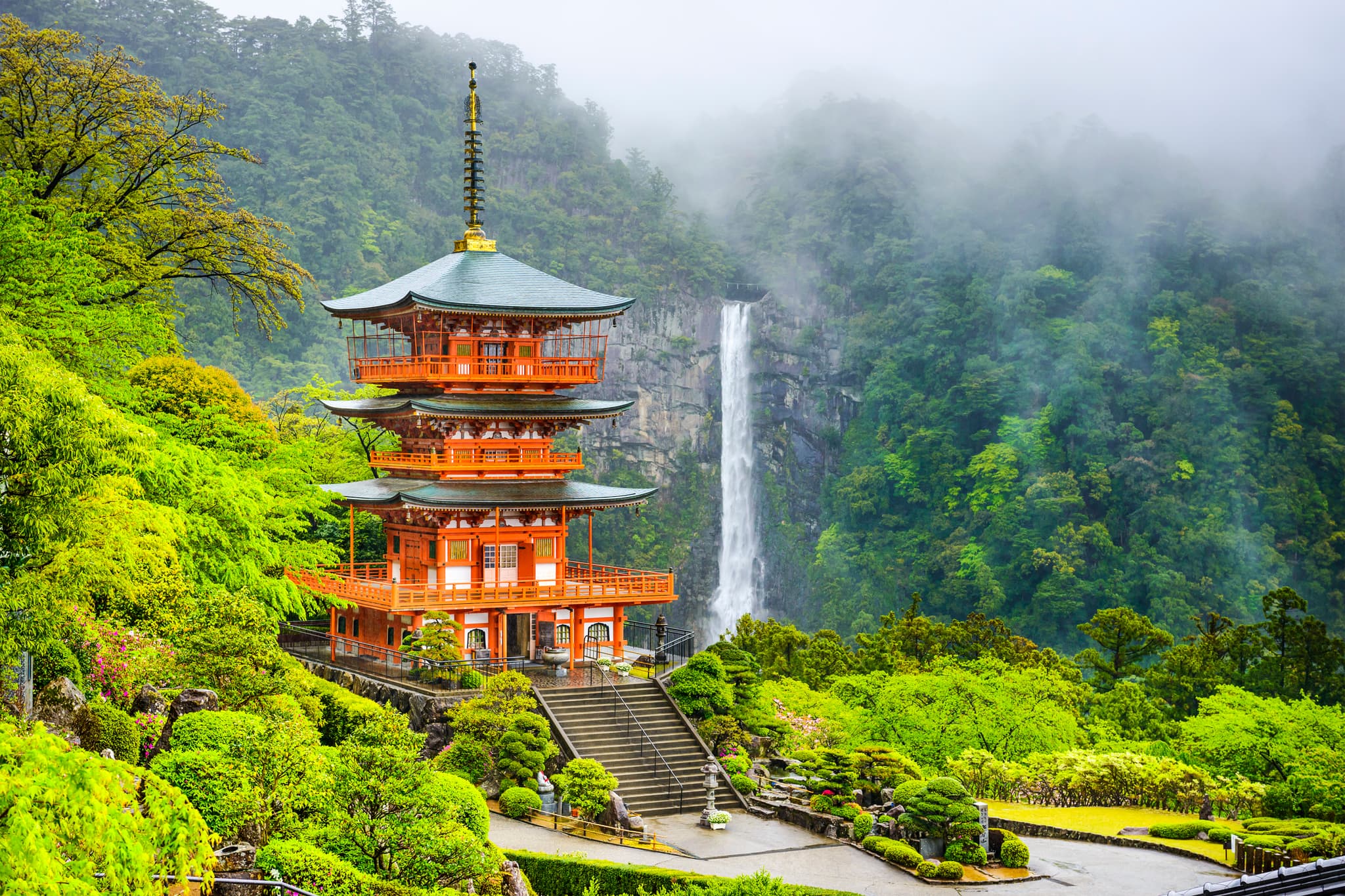
The Ultimate Adventure Through Japan: 2027 Edition
11 nights from£3,779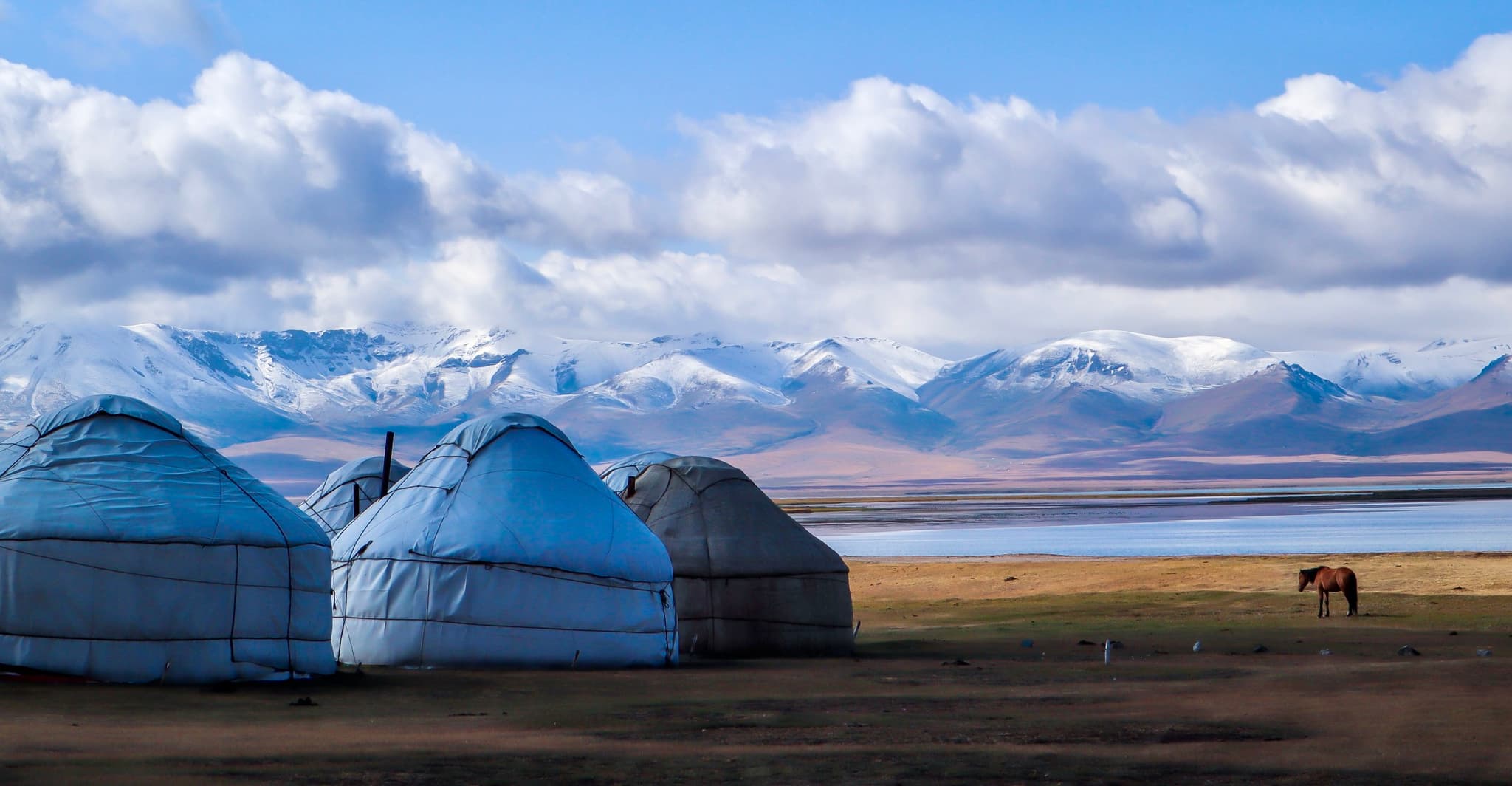
The Ultimate Adventure Through Kyrgyzstan
8 nights from£1,807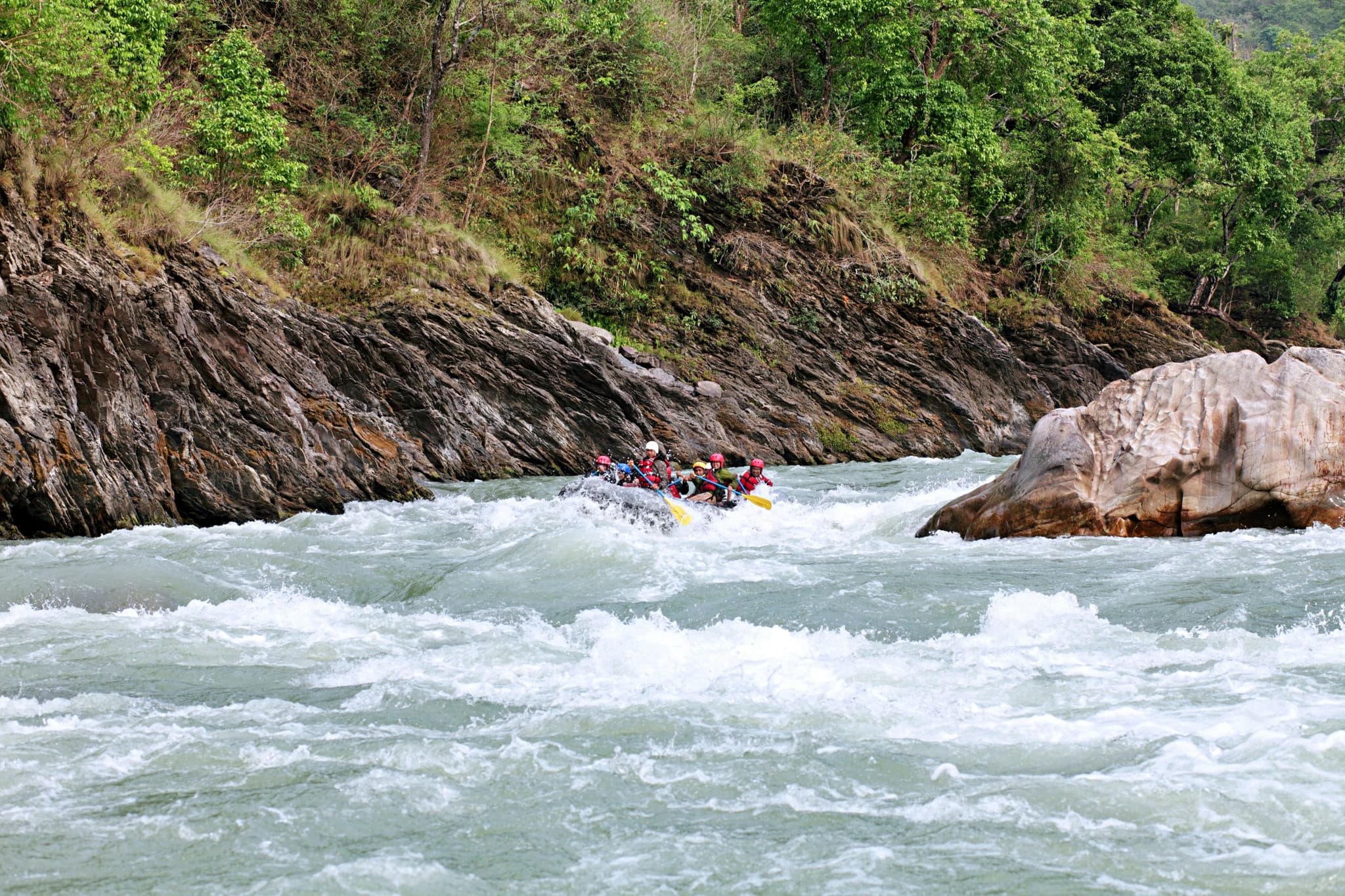
The Ultimate Adventure Through Nepal
9 nights from£1,726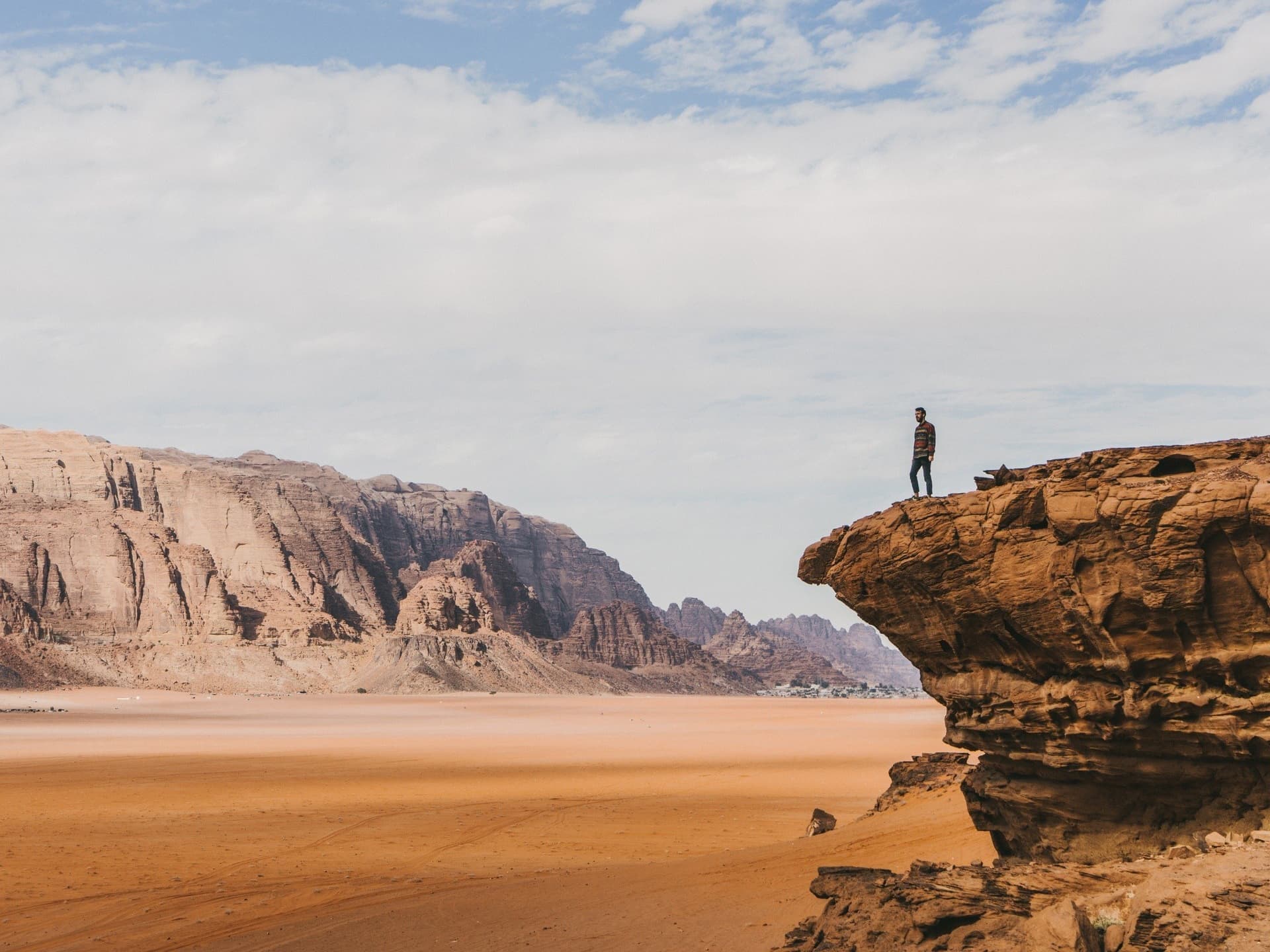
Adventure Hiking in Jordan
5 nights from£971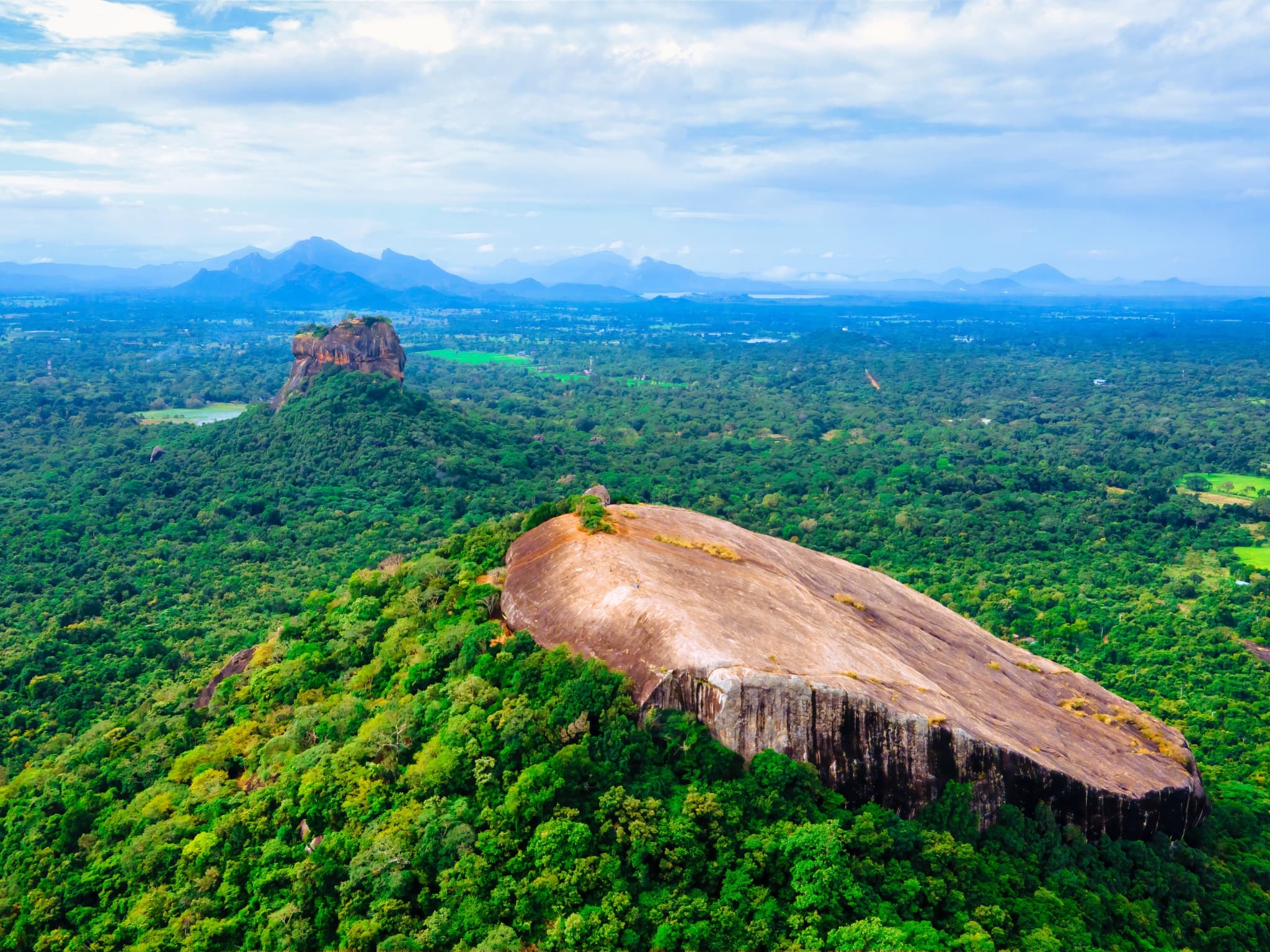
The Ultimate Adventure Through Sri Lanka
10 nights from£2,135
Wild Island Adventure in Madeira
5 nights from£1,504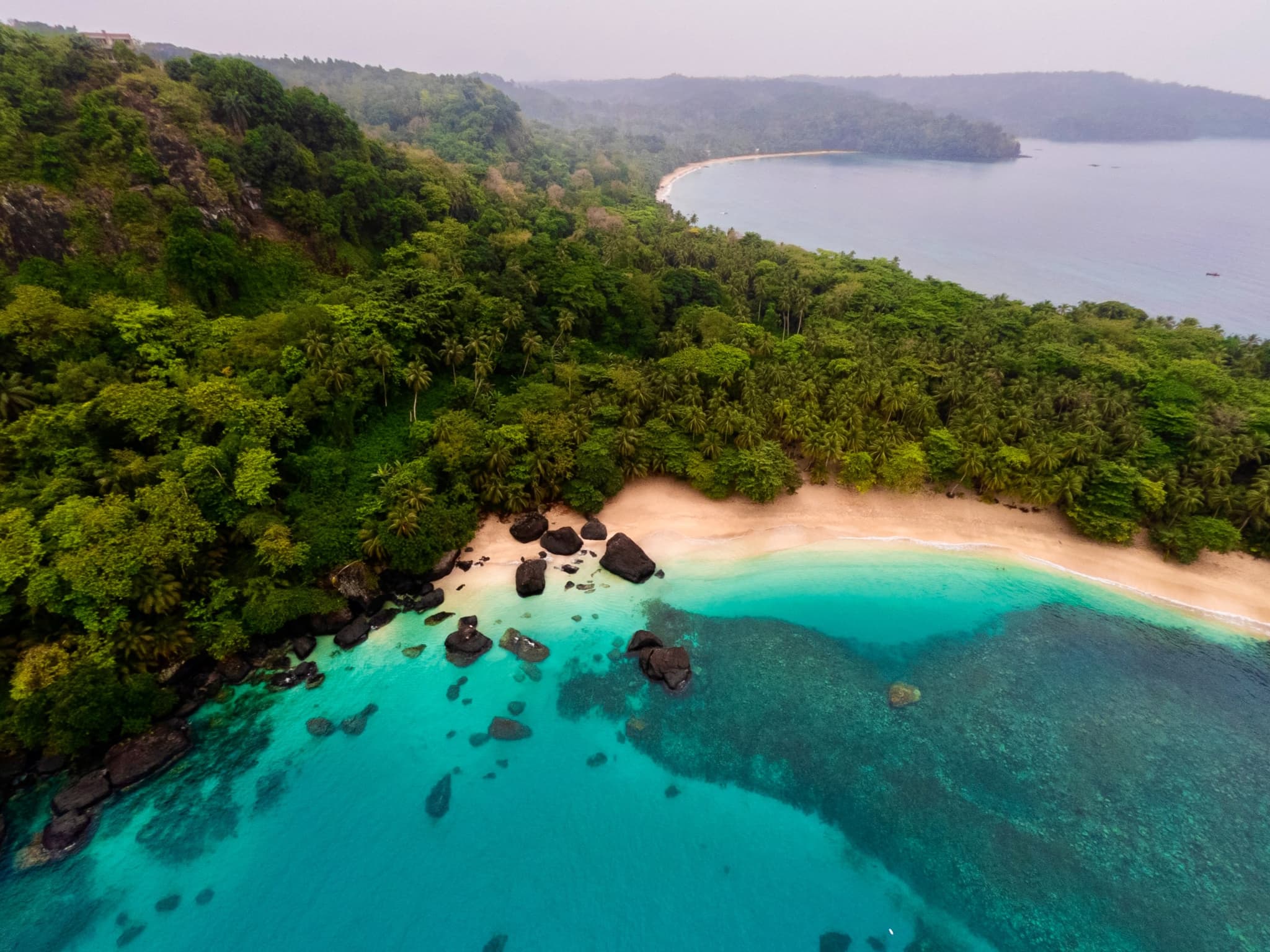
Journey to the Equator in Sao Tome and Principe
10 nights from£1,888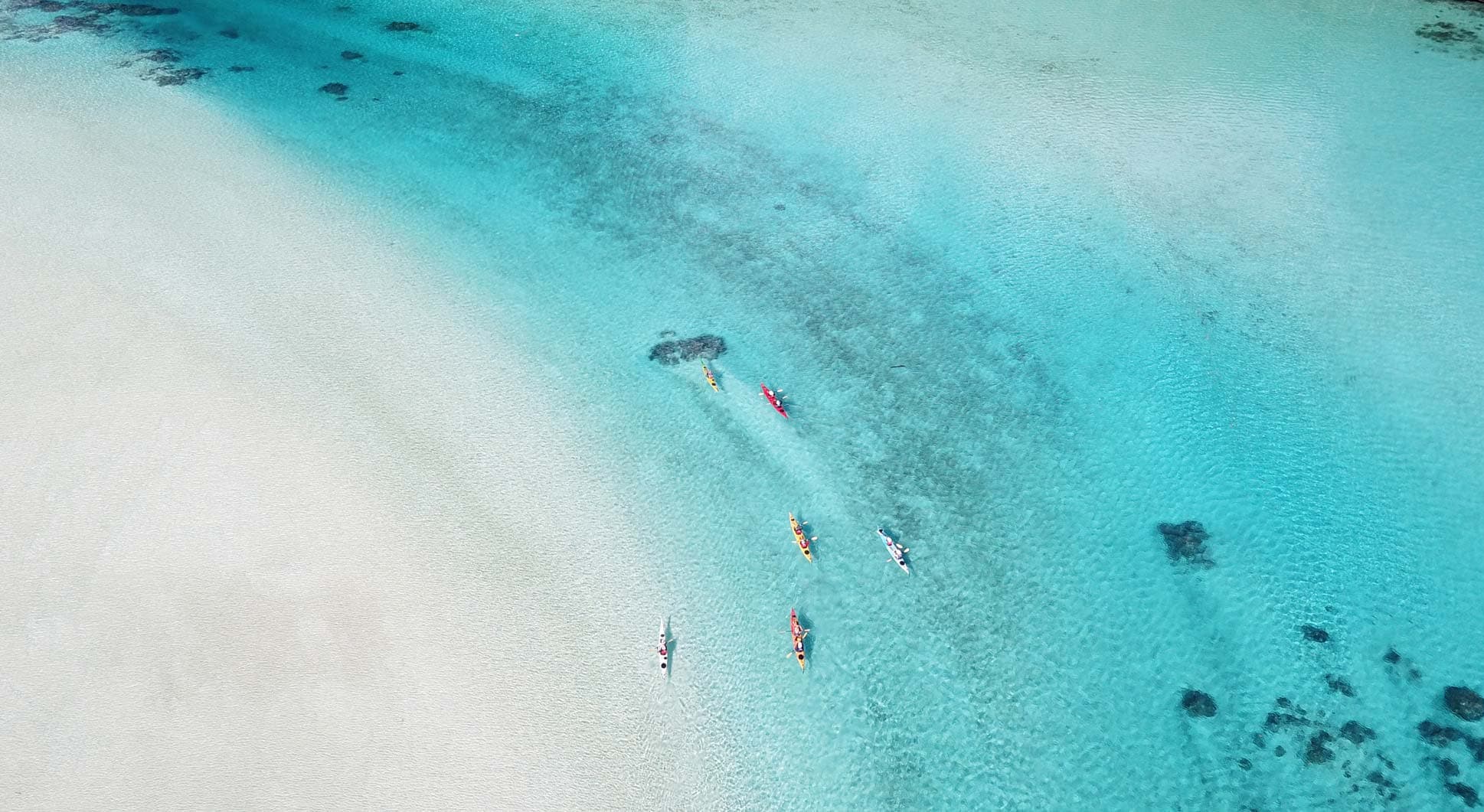
The Ultimate Island Hopping Adventure in the Komodo Archipelago
10 nights from£2,171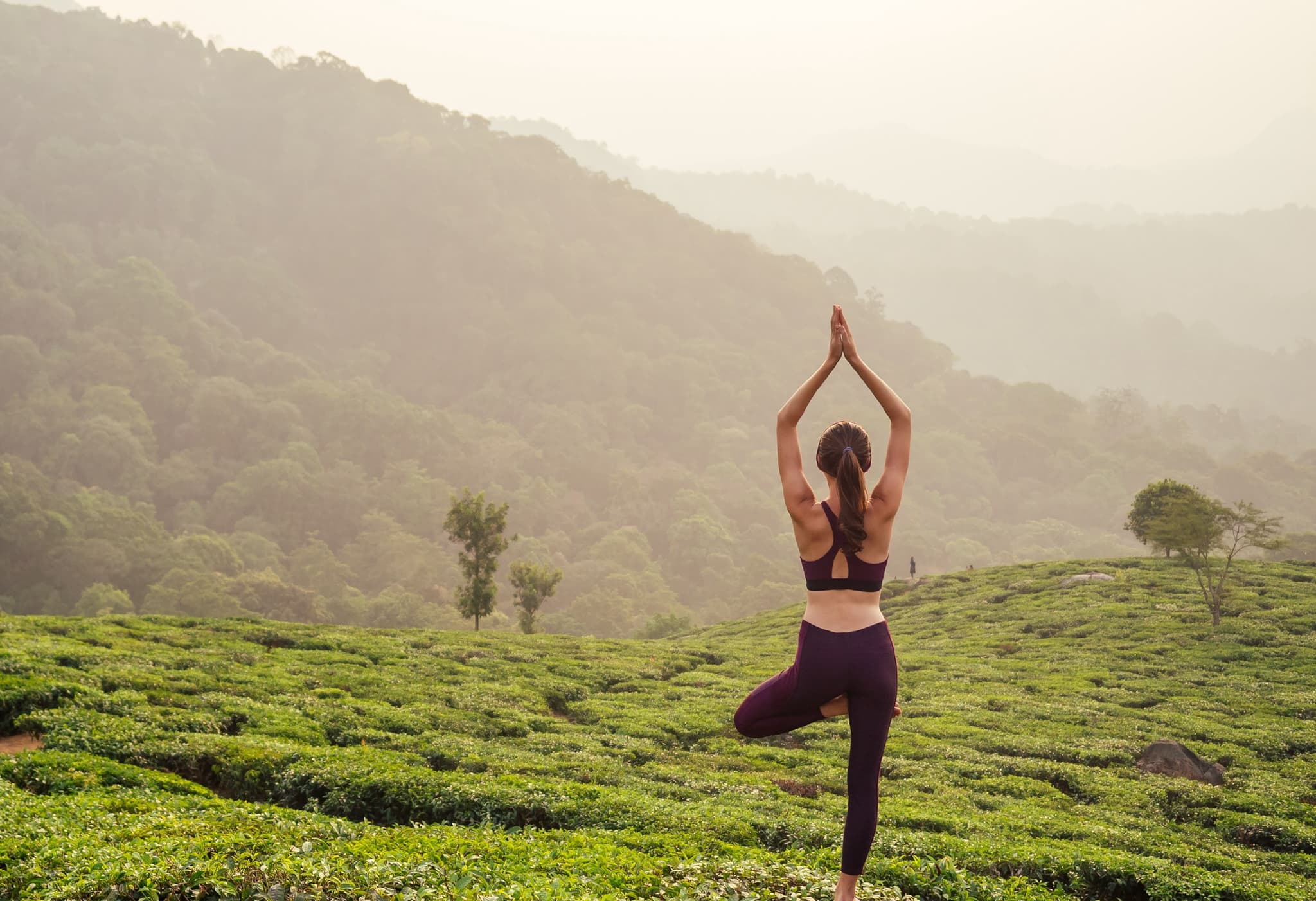
Premium: Hiking and Yoga in South India
7 nights from£1,699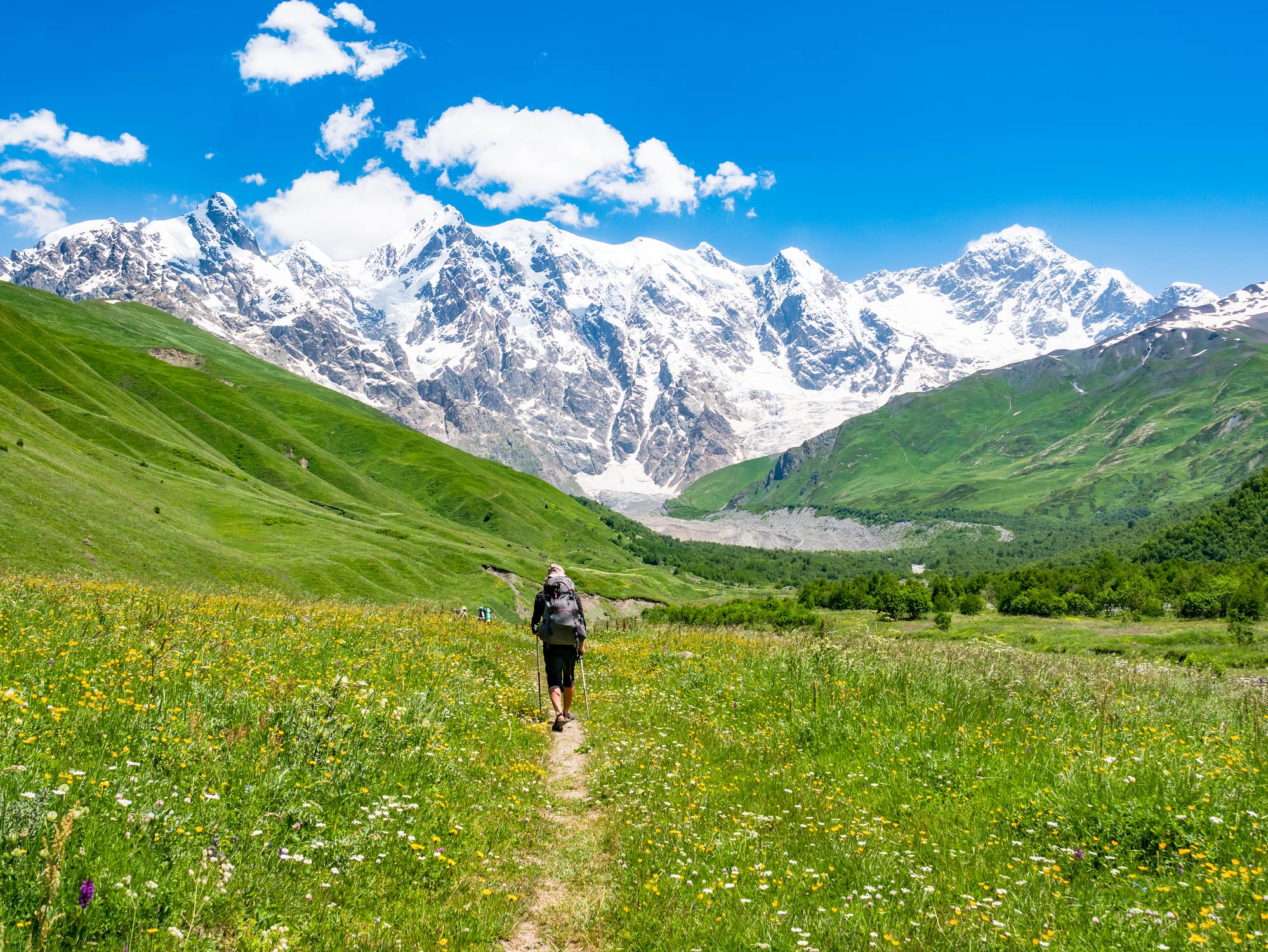
Trek the Caucasus Mountains in Georgia
8 nights from£1,468