

5.0
Climb Mera Peak (6461m)
- Nepal
- 18 nights
Conquer the highest trekking peak in Nepal and enjoy epic views of the world’s tallest mountains, including mighty Everest itself
What's Included?
- Activities & Certified GuidesAll itinerary activities with local, expert, English-speaking trekking and climbing guides, plus a support crew
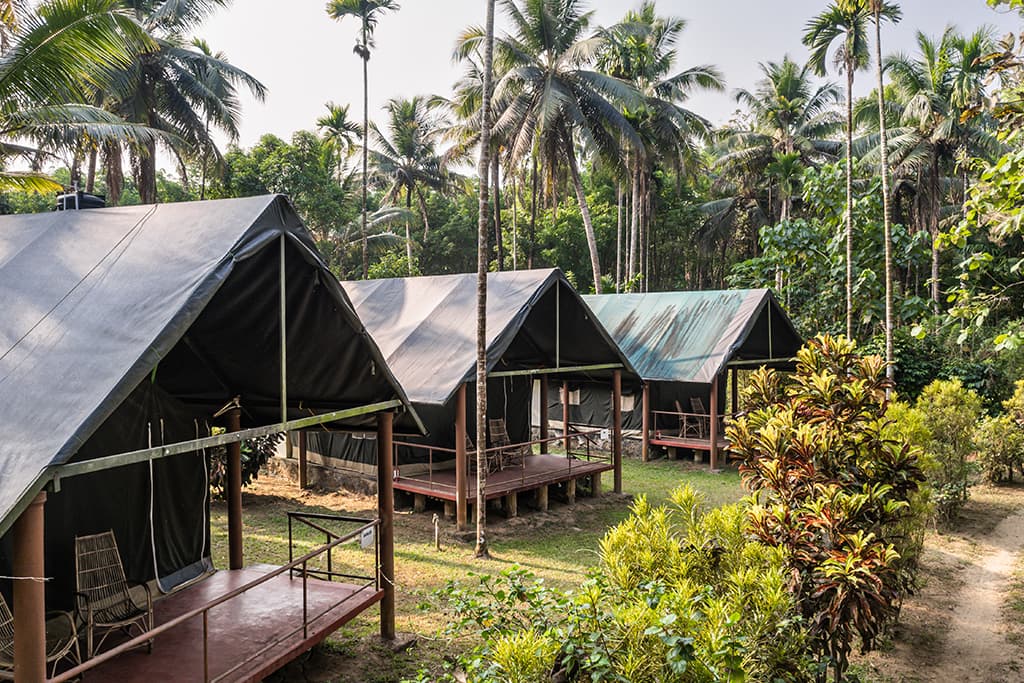
- All accommodation2 nights in a hotel, 1 night glamping, 13 nights in teahouses and 2 nights camping
- Meals4 breakfasts, 3 lunches and 4 dinners
- Internal flights & transfersReturn internal flights between Manthali and Lukla; airport transfers on arrival and departure; plus all local transfers
- Porterage, permits & equipmentPorters will carry your overnight luggage; trekking permits and fees are sorted for you; climbing equipment is provided
- Maximum group size: 10Join small n’ sociable groups of like-minded, active and outdoorsy people – designed to be solo-friendly
Fromexcluding flights
Highlights
Trek among Himalayan wilderness, glistening lakes and high passes in the stunning Hinku Valley, enjoying unique Sherpa hospitality along the way
Learn all the skills you need to scramble across glacial moraine, traverse ice and snow and summit Mera Peak safely and successfully
Capture indescribable views of five eight-thousanders in a single panorama – Everest, Kangchenjunga, Lhotse, Makalu and Cho Oyu
Itinerary
Day 1
Kathmandu awaits
HotelTwin shareDinner includedShow Day 1 detailHide detail
Welcome to Kathmandu! Your host will pick you up from the airport at any time, although we recommend landing before 16:00 in order to meet your guides and join the trip briefing. Finish the day with a group dinner alongside the rest of your team – your epic adventure into the mighty Himalayas begins tomorrow.
2026 Itinerary Update: From 01 January 2026 onwards, this trip will be one day longer (19 nights/20 days) than is currently displayed on this page. The 2026 and 2027 departure dates listed already reflect the longer duration. For further details, please refer to the FAQ 'What's the itinerary update from 2026 onwards?'.
Day 2
To Ramechhap (Manthali)
GlampingTwin shareBreakfast includedShow Day 2 detailHide detail
This morning you'll jump on the bus and head to Ramechhap (Manthali). This remote region is where most Lukla flights now depart from in the peak trekking season. Tonight, you'll glamp in a site in proximity to the airport, a convenient place to rest before your trek starts tomorrow.
(Should your flight be scheduled to depart from Kathmandu instead, you'll spend an extra day and overnight in the city, with the chance to explore at your own pace and to do any last-minute shopping in preparation for the trek.)
Day 3
Fly to Lukla and trek to Paiyan (2610m)
TeahouseTwin shareShow Day 3 detailHide detail
A 15-minute scenic flight across the mid-hills of eastern Nepal brings you to the famous town of Lukla. As you can imagine, the breathtaking view of the mighty Himalayas from the sky is really something to behold. Meet your friendly trekking crew and hand your overnight luggage to them. Fuel up with breakfast and then set off hiking the downhill trail to Surke Village. Expect lots of greenery and the occasional herd of mules hard at work, transporting anything from food to fuel up to the villages. Spend the night at Paiyan village with a view of the glaciated peak of Numbur Himal in the distance.
Day 4
Paiyan to Panggom (2804m)
TeahouseTwin shareShow Day 4 detailHide detail
Ascend gently to the pass of Khari La through a beautiful rhododendron forest, and later descend to Bupsa. Get off the main trail to follow the more picturesque side route through greenery and small villages. On reaching Panggom, take a moment to enjoy the beautiful view of Numbur Himal and pay a visit to the local monastery if you wish.
Day 5
Trek to Ramailo Danda (3276m)
TeahouseTwin shareShow Day 5 detailHide detail
Set off uphill across the forest to Panggom La pass and enjoy the view of both Hinku and Khari Khola valleys. Walk down to Sibuje, a pretty Sherpa village, and enjoy a break with a warm cup of tea or coffee. Continue on a gradual descent to Ningshow, a tiny remote village, then cross a small river before proceeding on a steep uphill section through the forest to Ramailo Danda ridge. Enjoy the very first view of the mighty Mera Peak in the distance and rest for the night in a local teahouse.
Day 6
To Chhetra Khola (3122m)
TeahouseTwin shareShow Day 6 detailHide detail
Get ready for a tough day ahead. After relishing the view of Mera Peak, a fresh mountain tea in hand, descend steeply to the Temba Khola River and rest before tackling the long climb ahead to Ekle Bhatti. Cross several mountain streams (eyes peeled for the extremely elusive and endangered red panda). Power through a steep descent to Chhetra Khola for a well-deserved overnight rest.
Day 7
Hike to Kothe (3580m)
TeahouseTwin shareShow Day 7 detailHide detail
Today's trail rolls across the hillside with both up and downhill sections, which at times will feel challenging. Cross small streams en route through the forest of fir and bamboo and reach the village of Takhto for lunch. Continue along undulating terrain and through subalpine forest for another two to three hours, seeing the landscape change by the moment as you enter the rocky valley that surrounds the Inkhu Khola River.
Day 8
Kothe to Thangnak (4358m)
TeahouseTwin shareShow Day 8 detailHide detail
After breakfast, ascend gently by the river and pass through narrow canyons. From Mosom Kharka, the trail starts widening up a bit and the vegetation changes as alpine pastures, junipers, and wildflowers start appearing. As you continue up, admire the far peak of Mount Kyasar – a towering 6770m tall. Stop for an optional visit to Lunga Sumba monastery, a site with deep cultural and social significance to the local people. Hike for the last couple of hours along the river and pastures until you reach the open valley of Thangnak, where you'll spend the night in a beautiful summer grazing village.
Day 9
Thangnak to Khare (5045m)
TeahouseTwin shareShow Day 9 detailHide detail
Climb along the river as the higher elevation begins to kick in. Walk across a wide rocky deposit and trek above the stunning Sabai Tsho Lake. Take a few moments to soak in the serenity of the lake, then follow an eastward trail that climbs gently between the Mera Glacier and a small stream fed by the Khare Glacier. From Dig Kharka (4659m), the path ascends further on rugged terrain to Khare. Enjoy a well-deserved rest at your teahouse, then meet your main climbing guide for dinner and learn more details about the epic summit challenge that awaits.
Day 10
Preparation and acclimatisation in Khare (5045m)
TeahouseTwin shareShow Day 10 detailHide detail
Wake to the breathtaking view of Mera Peak and get ready for today's training session. Whilst climbing to the summit does not require technical climbing skills, you will need to have a general understanding of how to use crampons, harnesses, rope, ascenders, descenders, ice axes – and above all, a good understanding of safety. That means today, while acclimatising to the higher altitude, you'll also prepare for the push to the summit and learn all the techniques you need to achieve it. You'll be guided by a qualified climbing leader from today onwards, so any questions you have – just ask!
Day 11
To Mera Base Camp (5350m)
CampsiteTwin tentLunch and dinner includedShow Day 11 detailHide detail
Follow the trail that goes across the cliffside – you may need crampons if the terrain is covered by snow. Then gradually turn towards the southern flank of Mera Peak and negotiate some challenging moraines and glaciers, assisting your traverse with ropes. The final approach to Mera La steepens and snow, high altitude and ice will all test your resilience – but the views will be worth it. Power through along the ridgeline while descending gently to Mera Base Camp, where a tented camp and a light meal awaits.
Day 12
To Mera High Camp (5780m)
CampsiteTwin tentAll meals includedShow Day 12 detailHide detail
It’s a short trek today to Mera High Camp but due to the elevation, it will feel hard. Ascend along the ridge on a snowy trail and stay overnight at the High Camp – a rocky cliff, perched on the edge of the ridge. In the high season, the camp does get busy but the surrounding views of Cho Oyu, Ama Dablam, Nuptse, Lhotse and Makalu will make you forget about the uncomfortable conditions and crowds. One final rest before the summit push...
Day 13
Conquer Mera's Central Summit (6461m)
TeahouseTwin shareBreakfast and lunch includedShow Day 13 detailHide detail
The big day starts at 01:00 am. Fuel up on soup and some hot food, gear up and start climbing across Mera Glacier along moderately steep stretches. Continuing further, you'll reach the bottom of the long, steep ridgeline. With an oxygen level of less than 66%, it will feel difficult to breathe and every movement will be slow, but your guides and team will be there to support your ascent both physically and mentally. Your determination and resilience will be tested for sure as you approach, but once at the top you'll be blown away by the astounding panorama of some of the highest peaks on the entire planet. Enjoy the indescribable 360-degree view of five of the world's eight-thousanders: Mount Everest (8848m), Kangchenjunga (8586m), Lhotse (8516m), Makalu (8485m) and Cho Oyu (8201m), as well as Kyashar, Ama Dablam, Nuptse and Baruntse. Drink it all in, then start your long descent down to Khare. Celebrate the epic accomplishment with your fellow trekkers and the crew before enjoying a very well-deserved sleep.
Day 14
Back-up summit day
TeahouseTwin shareShow Day 14 detailHide detail
Today is your back-up summit day. All going well you won’t need it, but as with any adventure of this scale, external factors such as weather can stand between you and the climb – so today gives you another crack at the top if needed. Meals will be provided and included if this contingency day is required.
Otherwise, you will commence your descent to Lukla and your host will try to reschedule the return ticket to fly you back to Kathmandu a day earlier (Day 17). In the event that it's not possible to pull your return ticket forward, you will instead complete the last day of the trek in two days, making the long descent on Day 17 less strenuous.
Day 15
Khare to Kothe (3580m)
TeahouseTwin shareShow Day 15 detailHide detail
Continue your descent along the picturesque and gentle stretch of trail that leads to Kothe.
Day 16
Trek to Thuli Kharka (4700m)
TeahouseTwin shareShow Day 16 detailHide detail
Continue retracing the path until Taktho, from where the trail ascends steeply along a ridge, first through the forest and then above the tree line. Power on uphill to reach a small pass, then descend to Thuli Kharka and spend the night in a simple hut. One more day of trekking tomorrow, and then you're done!
Day 17
Final push to Lukla via Zwarta La Pass (4660m)
TeahouseTwin shareShow Day 17 detailHide detail
Today’s trail levels up till the craggy pass of Zwarta La, then drops steeply to Kharka Tenga where you will stop for tea. Follow the river down to Chutanga and have lunch there, then descend a welcomingly easy downhill stretch through a beautiful forest and across a suspension bridge as you return to busy Lukla. It’s official, you've finished: the celebrations can begin!
Day 18
Return to Kathmandu
HotelTwin shareDinner includedShow Day 18 detailHide detail
Fly back across the Himalayas to Ramechhap (Manthali), followed by a five-hour overland trip back to Kathmandu. Head out, shop for last-minute souvenirs in Thamel and meet up with your team for a few farewell beers and dinner to celebrate the end of your epic adventure!
Day 19
Last day in Nepal
Breakfast includedShow Day 19 detailHide detail
Enjoy a lie-in, followed by some final time in Kathmandu before returning to the airport and back to reality.
Practical Stuff
Getting There
- Nearest airport
- Tribhuvan International Airport (KTM)
- Pick up
- Tribhuvan International Airport, Kathmandu (KTM)
Arrive by 16:00 on Day 1 - Drop off
- Tribhuvan International Airport, Kathmandu (KTM)
Any time on Day 19 (2026 onwards: any time on Day 20)
This Trip is Graded Level 7
- Level 7
Tough
Our most demanding trips, the ultimate test for seasoned adventurers
High Altitude Factors To Consider + 2 other factors - How much activity is involved?
Big, strenuous days, of eight to ten hours or more
This tough trek is suitable only for prepared trekkers with a very good level of fitness as well as previous experience in high-altitude mountain environments (above 4000m). M...
- Right level, wrong trip?
Browse all our Tough trips
Your next adventure is out there

 Not sure which level is right?
There's a level for everyone – find your match
What is and isn't Included?
What's included
- 7 days of guided trekking from Lukla to Khare
- Preparation and acclimatisation day in Khare, with a safety and training session
- 2 days of guided trekking to Mera High Camp via Mera Base Camp
- A guided climb to Mera Peak's Central Summit at 6461m
- A contingency day in case of adverse weather
- 3 days of guided trekking as you descend from Khare back to Lukla
- Expert, local, English-speaking trekking guide (AWFA and CPR certified)
- Expert, local, English-speaking climbing guide (NMA-certified)
- An assistant trekking guide (on 1:4 guide to trekker ratio)
- An assistant climbing guide (on 1:3 guide to trekker ratio)
- Porters (on a 1:2 porter to trekker ratio)
- 2 nights in a centrally located hotel in Kathmandu
- 1 night glamping in safari-style tents
- 13 nights in traditional local teahouses
- 2 nights camping on the mountain
- 4 breakfasts (at the hotel in Kathmandu and while camping on Mera)
- 3 lunches (while camping on Mera)
- 2 dinners (while camping on Mera)
- A welcome dinner in Kathmandu on Day 1
- A farewell dinner in Kathmandu on Day 18
- Internal flight from Manthali (or Kathmandu) to Lukla
- Internal flight from Lukla to Manthali (or Kathmandu)
- Arrival transfer from Kathmandu Airport
- Departure transfer to Kathmandu Airport
- All transfers during the trip
- Porters will carry your overnight luggage for you during the trek
- All trekking permits and fees are taken care of
- Climbing equipment: ice axe, ascender, descender, climbing helmet, harness, carabiners, crampons, prusik rope, snow bar, tape sling (see Kit List for more info)
- Tent and mattress while camping
What's not included
Our trips do not include flights, trains or other travel to the start point and back from the end point.
We do not include meals on the trek, as from experience we know that altitude and physical exercise mean appetites vary hugely. The cost of food also rises as we ascend as it all has to be carried in by porters and yaks and very little can be grown locally. How much you spend per day will vary according to your choice of meal, but generally people spend between US$30-35 per person per day on meals and hot drinks. Below is an approximate breakdown of some items:
- Dal baht: $4 to $7
- Chow mein: $2 to $4
- Eggs: $2 to $4
- Toast: $1.50 to $3
- Tea/hot chocolate: $1 to $3
- Chocolate bars: $2 to $4
Teahouses will provide cold water free of charge; however, it will need to be treated to enable you to drink it. Please read the drinking water FAQ for our advice.
Other extra costs to be considered are:
- Shower: $2-$4
- WiFi: $2-5
- Electricity: $2-5
Please note that it's worth carrying a backup fund of US$250 just in case, as there are no ATMS during your trek.
See the below FAQ 'What’s Plan B in case of Lukla flight cancellations?' also.
It is customary in Nepal to tip guides and porters. Although it may not be customary to you, it is of considerable significance to the people who will take care of you during your travels. You can give any tips to your lead guide at the end of your trip, which will then be shared amongst the whole team. For full transparency, the lead guide will distribute the tips to the guides and porters in your presence. It is customary for the guides to receive a higher share than the porters as they are more highly qualified.
This particular trip has a higher staff-to-customer ratio than other Nepal treks and more porters in order to carry the climbing equipment, so a good rule of thumb is around US$160 per person for the trekking part and US$100 per person for the climbing part, although the amount you give is entirely your choice.
If you would like to give an additional tip to a member of the team who has supported you personally, please do so directly and discretely.
You know your own spending habits best, so please budget an appropriate amount for things like optional meals and drinks, shopping, optional activities, and laundry.
should include adequate protection for overseas medical treatment, evacuation/repatriation, your baggage and equipment and the specific activities involved on your adventure. We also strongly recommend it includes cancellation and curtailment insurance, should you be unable to join your trip for specific reasons such as illness. Our recommended travel insurance provider is Campbell Irvine (opens in new tab), as their insurance offers all of the above.
Owing to the nature of this trip, it is essential that your personal travel insurance policy provides cover to the maximum altitude visited on this trip (6461m) as well as for emergency medical evacuation by helicopter.
Visa requirements often change, and you are responsible for obtaining any required visas for this trip. Please check with your nearest embassy or consulate for up-to-date advice.
Where You'll Stay
Looking for a private room? See Optional Extras for details and pricing.
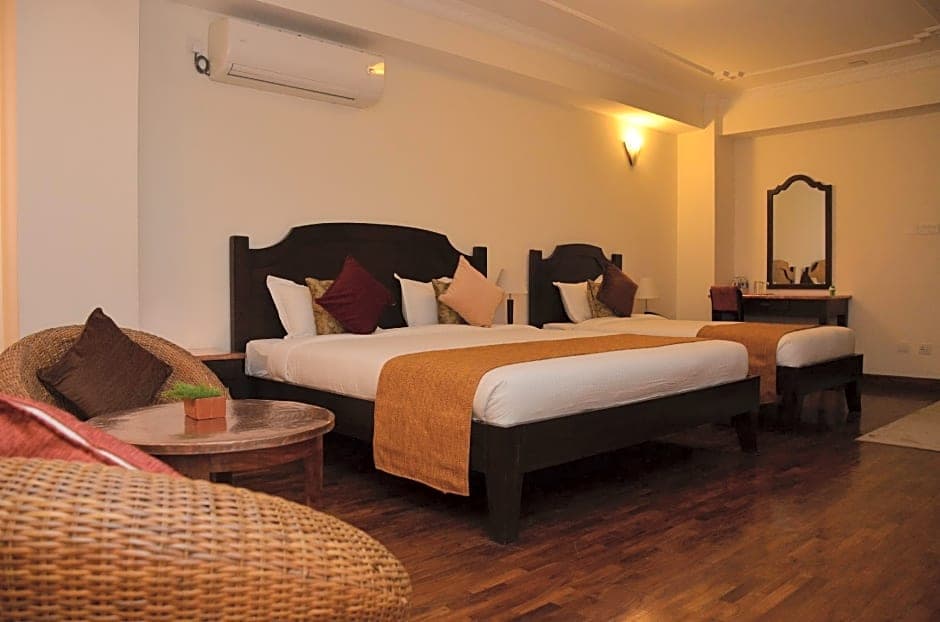
Kathmandu
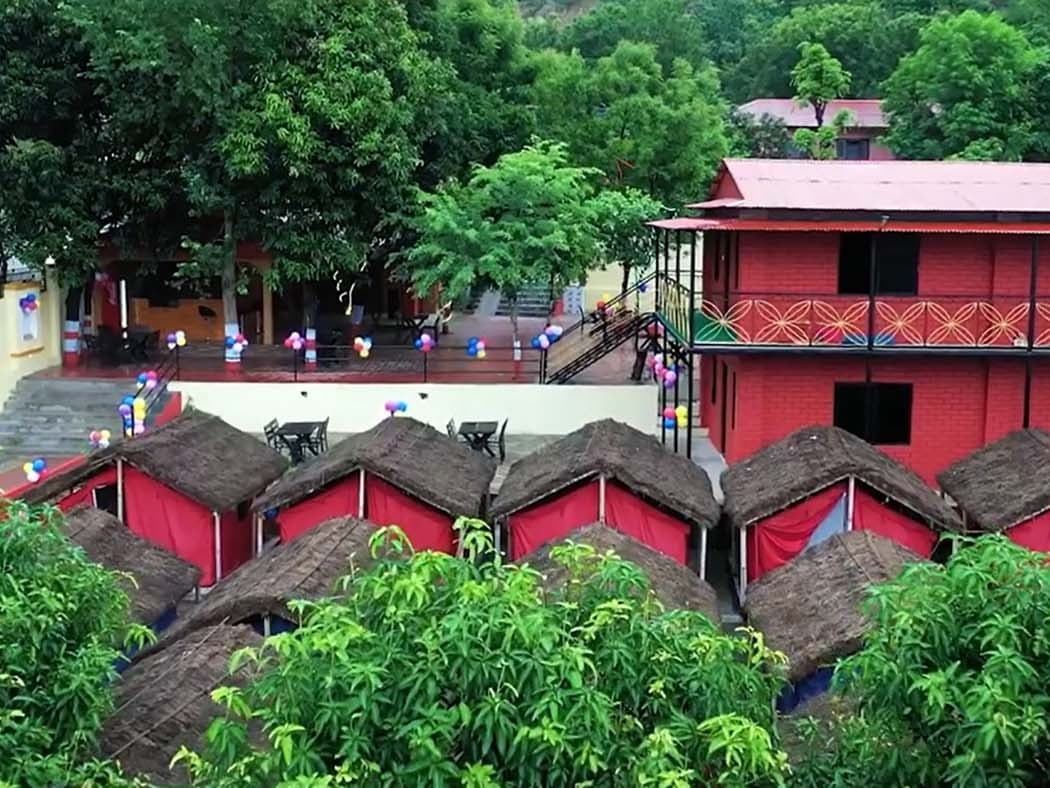
Ramechhap
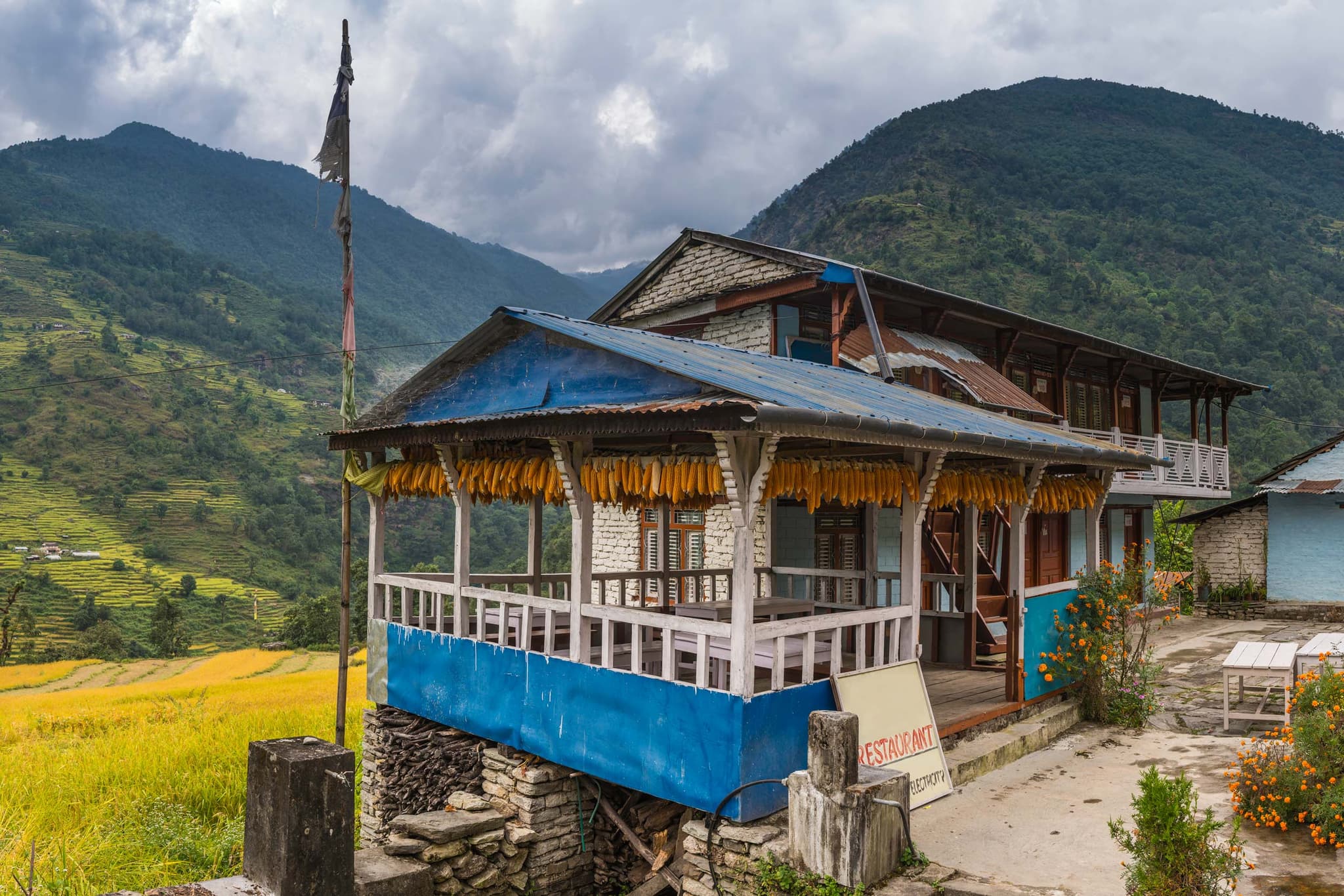
On the trek
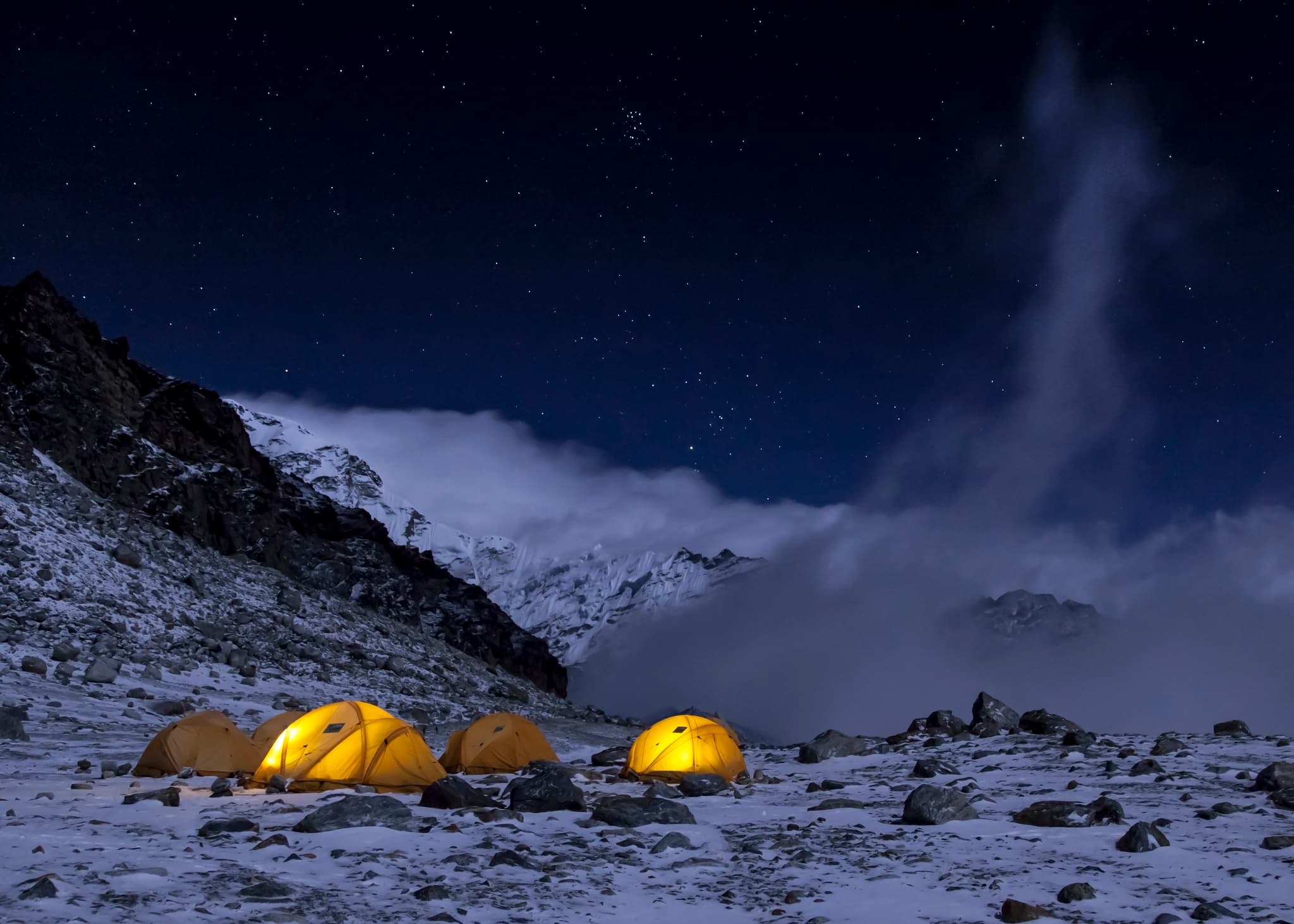
Mera Peak
What You'll Eat
Breakfast is usually a choice of either hot porridge, muesli or Tibetan bread served with an omelette or boiled eggs. The menus in each of the teahouses are very similar, and there will usually be a choice of traditional Nepalese dhal bhat (a mixed p…
Optional Extras
Pre/Post Trip Accommodation
- Pre/post-trip accommodation in Kathmandu (Single)
- £47
- Pre/post-trip accommodation in Kathmandu (Twin/Double)
- £51
Upgrades
- Optional Private Room Upgrade (Kathmandu x 2 nights)
- £44
For solo travellers looking for their own space, an optional private room can be booked. This is only applicable to the two nights in the hotel in Kathmandu and is subject to availability. Please see the Optional Extras for details and request this at the time of booking.
To request any extras, message your host via your Much Better Adventures account once you have booked your trip.
All extras must be paid before your trip starts.
Ratings & Reviews
4.924 reviews
- 3 stars (0)
- 2 stars (0)
- 1 star (0)
Category rating
- Food
- 4.0
- Guides & crew
- 5.0
- Accommodation
- 4.0
- Itinerary
- 5.0
Latest Reviews
Customer Photos
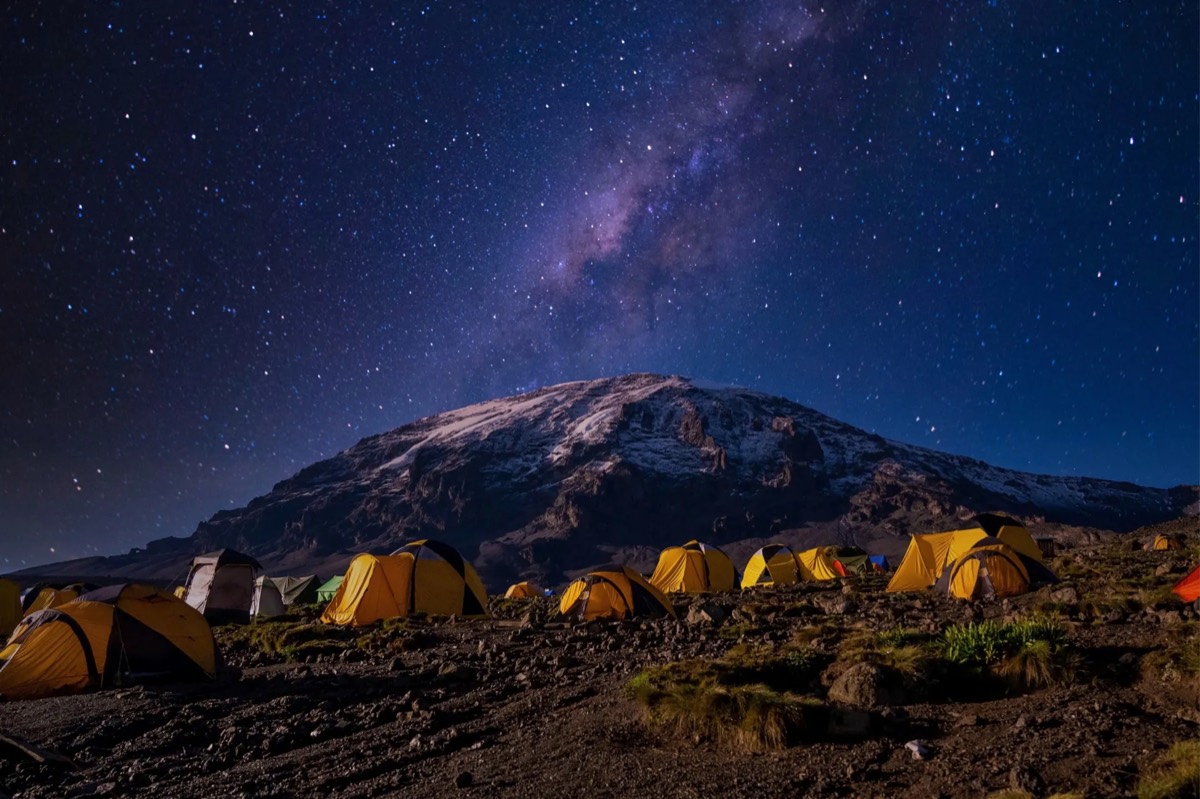
Planning Kilimanjaro in 2027?
Get the ultimate guide to Africa's highest mountain
Before You Travel
What to Pack
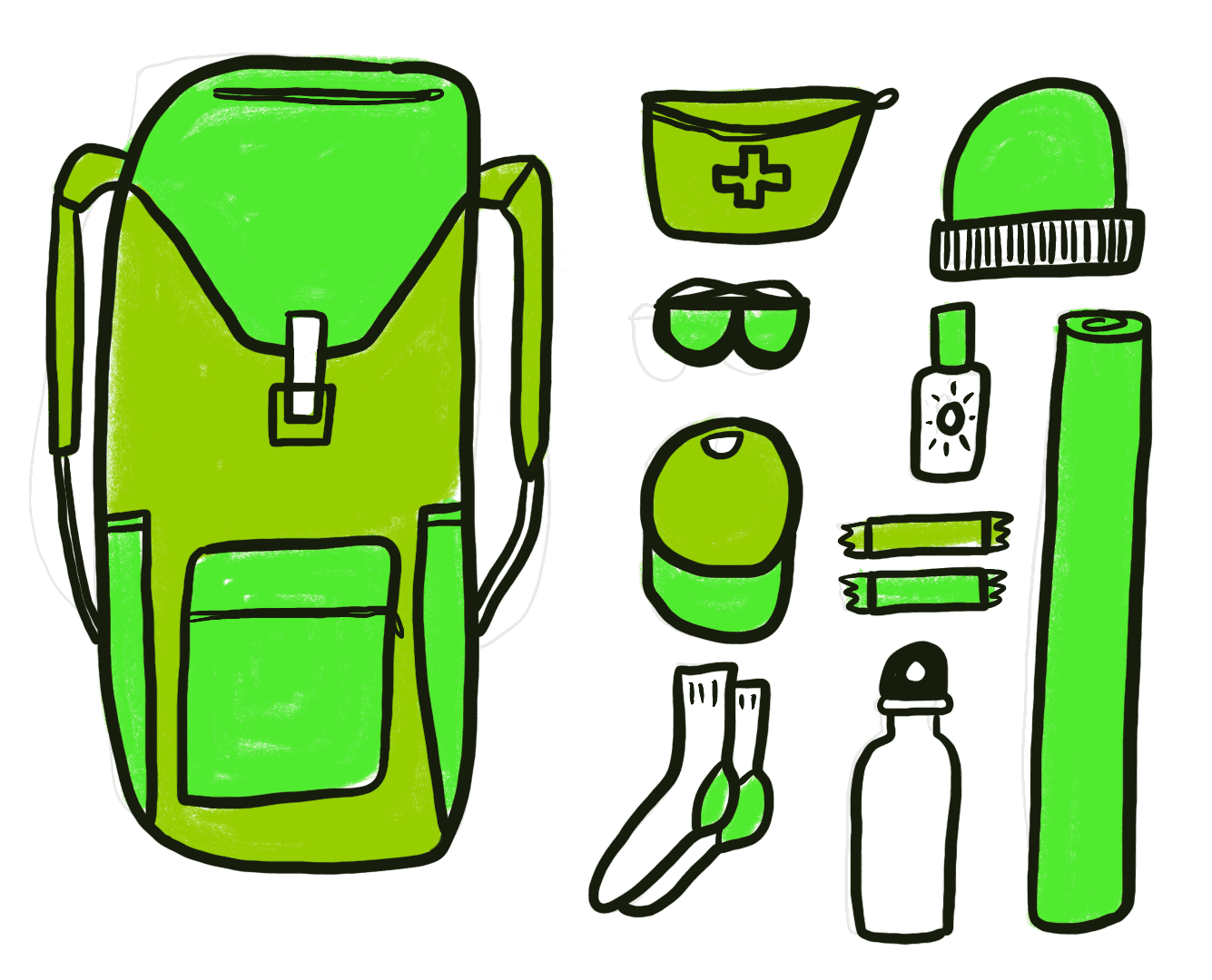
Know before you go! Some stuff we'll provide, other things you'll need to bring.
FAQs
What's the itinerary update from 2026 onwards?
From the start of 2026 onwards, the trip duration will be one day longer, making it 19 nights and 20 days. The 2026 and 2027 departure dates displayed already reflect this duration change.
The additional day will be used as a rest/acclimatisation day in Thangnak (4358m), where you will sleep on Days 8 and 9 before ascending higher to Khare (5045m) on Day 10. Conditions permitting, there will be an acclimatisation hike to the ridge at Thangnak Ri (4700m) on the morning of Day 9.
Who at Much Better Adventures designed this trip?
Marta Marinelli, raised in Italy’s serene Prosecco Hills, dreamt of global adventures, inspired by her father's travel stories. Her passion evolved into a career, backed by a decade of studies including degrees in international tourism and destination management. She’s worked in the adventure travel sector since 2012, living in Italy, the UK, and now sunny Portugal.
Over twenty years, Marta has explored over 55 countries, visiting remote areas like Ghana, Rwanda, Sao Tome and Principe, Haiti and Nepal’s Upper Mustang region. As a Senior Adventure Expansion Manager at Much Better Adventures, she focuses on creating life-changing experiences, ranging from multi-activity adventures, challenging treks to ultimate adventures in iconic places. She loves the challenge of finding the best local adventure hosts around the world, collaborating on adventures that offer genuine immersion, pushing beyond the beaten path and working on exclusive itineraries that challenge your comfort zone.
What makes her tick? Enabling people to live adventure-rich lives while positively impacting and empowering local communities around the world, generating sustainable opportunities for both the host, guides, community, and the environment.
What travel insurance do I need?
Owing to the nature of this trip, it is essential that your personal travel insurance policy provides cover for the maximum altitude visited on this trip (6461m) as well as for emergency medical evacuation by helicopter.
What are the guides' qualifications and what is the size of the crew on the trek?
We work with some of the best leaders in the industry. Every single one of them is government licensed and very experienced. In order to ensure the guides high standard of performance, the host provides them with top-notch in-house training that covers advanced wilderness first aid, hyperbaric chambers, oxygen system, mountain rescue and incident management and Leave No Trace (LNT) principles.
Throughout the trek and climb you'll be led by a AWFA and CPR certified trekking guide. During the summit push, you'll be led by an NMA-certified climbing guide and his team. This is the full crew who will support your expedition on the ground:
- One trekking guide
- One climbing guide
- One assistant trekking guide (on 1:4 ratio)
- One assistant climbing guide (on 1:3 ratio)
- Porters (on a 1:2 ratio)
Summit day
The guide will determine group divisions based on walking pace when reaching High Camp and will arrange the necessary connecting ropes, ensuring there is at least one assistant climbing guide for each group. As the group approaches the final stretch (approximately 50 to 55 meters from the summit), you will follow a fixed rope line. If any group member becomes unable to proceed to the summit, they will receive assistance from an assistant climbing guide in the case of small groups. In larger groups (consisting of six or more members), where the presence of an assistant climbing guide is important for summiting, the assistant trekking guides will be responsible for bringing the individual back down. This arrangement will not hinder the progress of the rest of the group. Please rest assured that in addition to the team of experienced climbing guides and assistant climbing guides, your host will work with an experienced group of trekking guides and assistant trekking guides as a backup team. They all have mountaineering skills and are familiar with navigating the Mera Peak route.
What do I do about drinking water?
Although most teahouses have the option to buy bottled water, we advise against it to reduce the use of plastic in the mountains (this ends up being burnt or dumped in landfill out of sight). You will instead be provided with cold water that needs treating. There is a wide range of products available these days which are more effective than traditional purification tablets – some trekkers like to use UV handheld devices such as a Steripen – but other options are available (just check their performance in freezing conditions).
What can I do with my spare time in Kathmandu?
We’ve sourced some great optional activities for you to do in and around Kathmandu should you wish to explore the area a little bit further. Please discuss these directly with your host who will be able to book them for you.
Cook Like a Local: This short cooking workshop (approx. 3 hours) teaches you how to cook popular Nepali dishes like MoMo and Dal Bhat. You’ll meet your teacher and accompany them shopping, then head to the kitchen and learn to cook alongside them. Price: Pay what you think the workshop is worth!
Shop Local: A 2/3 hour guided exploration of the markets of Kathmandu. Learn about the vendors that line the narrow and crowded alleyways and witness everything you could ever imagine being sold, haggled or bargained for. It’s a great chance to learn about the melting pot of cultures that exist in Kathmandu. Price: $9-$50pp, depending on the group size.
Master of the Arts: Patan Durbar Square is popular for its handicrafts and this trip will explore the local factories where they are produced. You’ll visit 2-3 factories and learn about the traditional processes they use and see artwork being produced. Price: $14-$59pp, depending on the group size.
Introduction to Shamanism: Shamanism, which is believed to heal many diseases, is not practiced widely these days, however this trip enables you to meet a practising guru and learn all about this age-old tradition. You’ll visit a small house for an introduction, followed by lunch and then a drumming session where you’ll learn the importance of rhythm to healing. Price: $90-$150, depending on group size.
Is there any luggage weight restriction?
Please bear in mind that the included baggage allowance on your internal flights is 15kg, including your trekking rucksack. The included climbing equipment (see Kit List) will be collected in Khare so if you bring any personal items/kit, please be mindful of the 15kg restriction. Any weight exceeding this limit costs 100 NPR per kilo. If needed, you can decide to purchase some extra weight and pack 18-20kg combined (with a maximum of 10-12kg in a duffel bag, plus 7-8 kg max. in a daypack).
All of our trips include a porter for every two trekkers. Each porter will carry up to 20-24kg of kit in total, so your overnight bags and spare clothes will be transported for you (10-12kg per person).
You can leave any luggage that you won't need on the trek at the hotel in Kathmandu.
What's Plan B in case of bad weather or flight cancellations?
Flight cancellation: a flight to Lukla is included on Day 3 of this tour, returning from Lukla on Day 18. Although we schedule departure dates outside of the main monsoon season, weather conditions in any mountain region can be unpredictable. It is not uncommon for flights to and from Lukla to be delayed or cancelled during the trekking season. If your flight to Lukla is cancelled, then your host will revert to a series of contingency plans which could involve a flight out to Lukla on Day 4 instead (you would skip the contingency day on Day 15) or a long, two-day drive to Khari Khola, which would allow you to join the trek nearer Pansggom.
There is one further option in the event of flight cancellations to Lukla: to try to charter helicopters for the group (subject to availability). Helicopters are less hindered by poor conditions and can often fly when planes cannot. Anyone taking this option will need to pay roughly USD350-500 extra per person (the full helicopter cost is more than this but your cancelled Lukla flight will be refunded and deducted from this).
Weather: if you are not able to approach the summit due to adverse weather conditions, then you can use the contingency day we have allocated. Using the contingency day should be decided upon by a mutual agreement between fellow trekkers. However, please note that this contingency does not apply to individual cases: if you are not able to climb due to personal health conditions, there is no Plan B.
See also 'When should I book my return flight?' (below).
When should I book my return flight?
The flight from Lukla to Kathmandu at the end of the trip is usually reliable; however, if the weather is poor cancellations can happen and there is the chance that you might have to fly the next day. To play it safe, we advise you to consider booking an extra night’s accommodation in Kathmandu at the end of the trip.
What do I need to know about flight safety in Nepal?
This trip includes a return domestic flight to Lukla. Nepal's mountainous terrain and weather make for challenging flying conditions and sadly more incidents (including fatalities) occur here than in other countries. Since 2013 the EU has banned all Nepalese domestic airlines from flying within EU airspace in order to raise awareness of the poor safety record (although no Nepalese airlines were operating routes within the EU prior to the ban). You should be aware that flying in Nepal is an identified risk: please consider this carefully before booking. Additional information can be found on the Aviation Safety Network entry for Nepal (opens in new tab) as well as the UK Foreign, Commonwealth and Development Office travel advice for Nepal (opens in new tab). Domestic airlines in Nepal are generally not accredited by any internationally recognised safety audit systems and the Civil Aviation Authority of Nepal does not operate to the same standards as those of Western nations.
What does Much Better Adventures do about this?
Much Better Adventures collaborates with other UK travel companies that arrange for independent air-safety auditors to visit Nepal annually to assess the local airlines. Much Better Adventures then only uses the carriers that were approved as part of the most recent audit. If any concerns are subsequently raised about an approved airline between audits, we put them on hold until the auditors are satisfied that safety standards are being met.
Cold climate: what factors should I consider?
This trip includes locations or elevations where conditions can be extremely cold. Daytime temperatures may drop below freezing (0°C/32°F), and nights are often significantly colder. These conditions can affect physical performance and increase the risk of exposure-related issues, such as frostbite or hypothermia.
Your guide is trained to manage these risks, adapting activity intensity and monitoring group wellbeing. However, it's important to take personal responsibility – bringing the right cold-weather gear (see Kit List), staying hydrated and well-nourished, and recognising early signs of cold stress.
We recommend assessing your personal comfort and resilience in cold environments, and consulting a medical professional if you have health conditions that may be affected. Arriving early can also help you acclimatise to the colder conditions, especially if you're coming from a much warmer climate.
High altitude (over 4500m): what factors should I consider?
This trip reaches elevations above 4500m, where the risks associated with Altitude Sickness (opens in new tab) (AMS) are higher, and where more serious conditions like HAPE (High Altitude Pulmonary Edema) and HACE (High Altitude Cerebral Edema) can occur.
Previous high-altitude experience doesn’t guarantee the same reaction every time, but it can be a helpful indicator. It gives you insight into how your body might respond, helps you recognise symptoms early, and prepares you mentally and physically for the demands of high-altitude trekking.
Your guide is trained to manage altitude risk by carefully managing the rate of ascent, monitoring group wellbeing, and taking action if anyone becomes unwell.
Before travelling, think about your own physical condition and consult a medical professional if you have concerns – especially if you have underlying health issues. If possible, arriving a day or two early at altitude is a great way to help your body adjust.
Your travel insurance must cover the maximum altitude reached on this trip and include emergency evacuation.
Can I book on my own?
Sure can! Over 70% of our travellers travel solo, it’s a great way to meet like-minded people.
Who is running the trip?
Our team of Adventure Hunters co-create exclusive adventures which are run by highly vetted, specialist hosts. The trip is run by our trusted host partner in the destination. We only work with independent, local, in-destination experts who know the very best places to explore and how to stay safe. Read more information about the local teams we partner with (opens in new tab). You’ll be introduced to the host straight after making a booking via the Much Better Adventures platform.
What is the official travel advice?
Much Better Adventures refer to the UK Government’s official travel advice when designing trips and monitoring trip operations. We recommend that all customers are familiar with the practical information provided on the Government’s FCDO website (opens in new tab), where current travel advice can be found by searching for the applicable destination(s).
For customers joining this trip from other international destinations – please also read the official travel advice applicable to your country of residence/origin, as this may differ.
What vaccinations do I need?
We recommend checking out the country-specific information (opens in new tab) and also talking to a travel nurse.
How are the trips priced?
We automatically convert prices from the local currency that a host receives to your chosen currency. We update our exchange rates on a daily basis so this does mean that prices displayed on the site are subject to currency fluctuations, which is why you may see them change over time.
If you wish to change the currency you pay in, head to the bottom of the page.
Why are your adventures only for adults?
All of our group adventures are specially designed for adults to enjoy as we want these adventures to bring together outdoorsy people who are truly like-minded. You must be over 18 to join one of our trips.
Who else will be on my trip?
You're always in good company on one of our adventures.
Our trips are typically made up of a mixture of solo travellers and small groups of 2 or 3 friends, with most in their 30s-50s.
Our sociable adventures are solo-friendly by design and naturally attract outdoorsy people with a shared mindset; a love for adventure, a desire to push themselves and meet awesome, like-minded people along the way.
It’s this camaraderie that has so often turned a great adventure into a life-changing one.
Don't just take our word for it:
- 95% of people rate the group dynamics on our trips 5/5
- 90% of people recommend joining a trip to make new friends
- 75% of people have met people on our trips that they would now consider friends
See here (opens in new tab) for more info about the Much Better Adventures tribe.
What's the weather like?
The best times to visit this region and climb this 6000m+ mountain are between March and May, or between September and November when the weather is usually fair, dry and stable. The later dates are clearer but colder with snow conditions more stable. At 3800m an average night time temperature is -4˚C and average daytime temperature is 10˚C. This drops with altitude and at High Camp temperatures may be as low as -15˚C to -25˚C.
Of course, mountain weather is notoriously hard to predict and snow can be expected on any trip, so come prepared.
What's the carbon footprint for this trip?
We partner with the World Land Trust to ensure this trip achieves Net-Zero emissions. We also support their Buy an Acre programme, helping local communities to buy and protect natural habitats in perpetuity.
What's the number?
It works out on average at 533kg of CO2 emissions per person, including all local transport, accommodation, food, activities, guides, staff and office operations.
The only thing it doesn’t include right now is flights and travel to the destination. We do make an overall estimate across all our customers separately, but as we don’t book flights, have customers from all corners of the world, and no way of reliably knowing their travel plans, we simply can’t include an individual number in the figure on display here. We’ve got a goal to fix that, so that when you book, there is a way to measure and mitigate the carbon emitted by your flight too.
But what does the number mean?
Yep, hard to picture eh? To give you an idea:
- Driving 1000 miles/1609km would be approximately 281kg of CO2 in an average car (or 140.5kg per person, if there were two of you in it).
- A return economy class flight between London and New York would be approximately 1619kg (1.66 tonnes) per person.
- 10 trees in a temperate forest are estimated to remove approximately 250kg of CO2 from the air in a period of 5-10 years.
What are we doing about it?
Our trips are relatively low-carbon by design, and we're working with all our hosts to develop long term carbon reduction plans. We partner with the World Land Trust (opens in new tab) to ensure this trip achieves Net-Zero emissions. We also support their Buy an Acre (opens in new tab) programme, helping local communities to buy and protect natural habitats in perpetuity, ensuring the protection of the reserve and its wildlife.
Want to know more?
Amazingly, no international travel company has ever publicly published their carbon measurements before, as far as we know. We believe that must change, quickly. So we’re openly sharing the method we used in the hope that other companies will be able to more easily follow suit and build on what we've done so far. You'll find it all here (opens in new tab).
Want to Know More?
Ask our AI Assistant
Get instant answers about this adventure
Departure dates
Secure your spot
10% deposit to book (limited exceptions)
Pay in instalments, no interest or fees
Going solo?
Log in to see how many others are booking solo too

Don’t see a date you like?
Get an email alert when new dates are added for this trip
Subscribe to alertsWe've Got Your Back
Book with confidence and peace of mind.
Go private and split the bill with ease.
Forget complex logistics, we've taken care of all the details to ensure a hassle-free get together. All of the adventure, none of the faff.
Feeling adventurous? Here's £100 towards it.
Sign up to our newsletter and we'll email you a £100 code for your first trip. You'll also get weekly trip inspiration, expert advice and last minute deals.
Still Undecided? 🇬🇧 🇺🇸
A few other trips to tickle your fancy 🇬🇧 🇺🇸
Trek the Langtang Valley to Summit Yala Peak (5500m)
12 nights from£1,860
Climb Mount Kazbek in Georgia (5054m)
7 nights from£2,015
Trek India's Markha Valley to Summit UT Kangri (6070m)
13 nights from£2,345
Trek Ecuador’s Avenue of Volcanoes to Cotopaxi's Summit (5897m)
9 nights from£2,077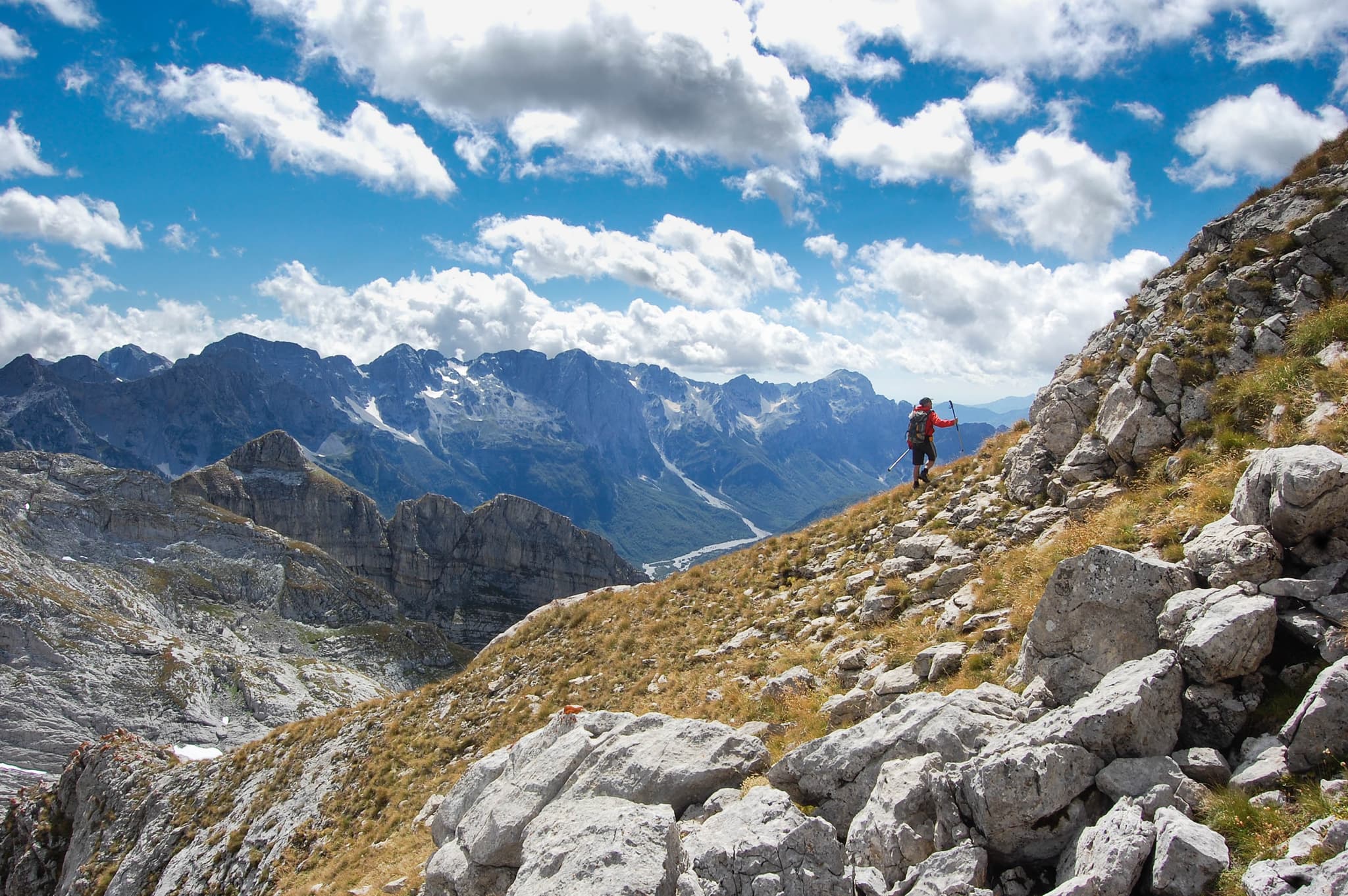
The Balkan 3 Peaks Challenge
6 nights from£1,233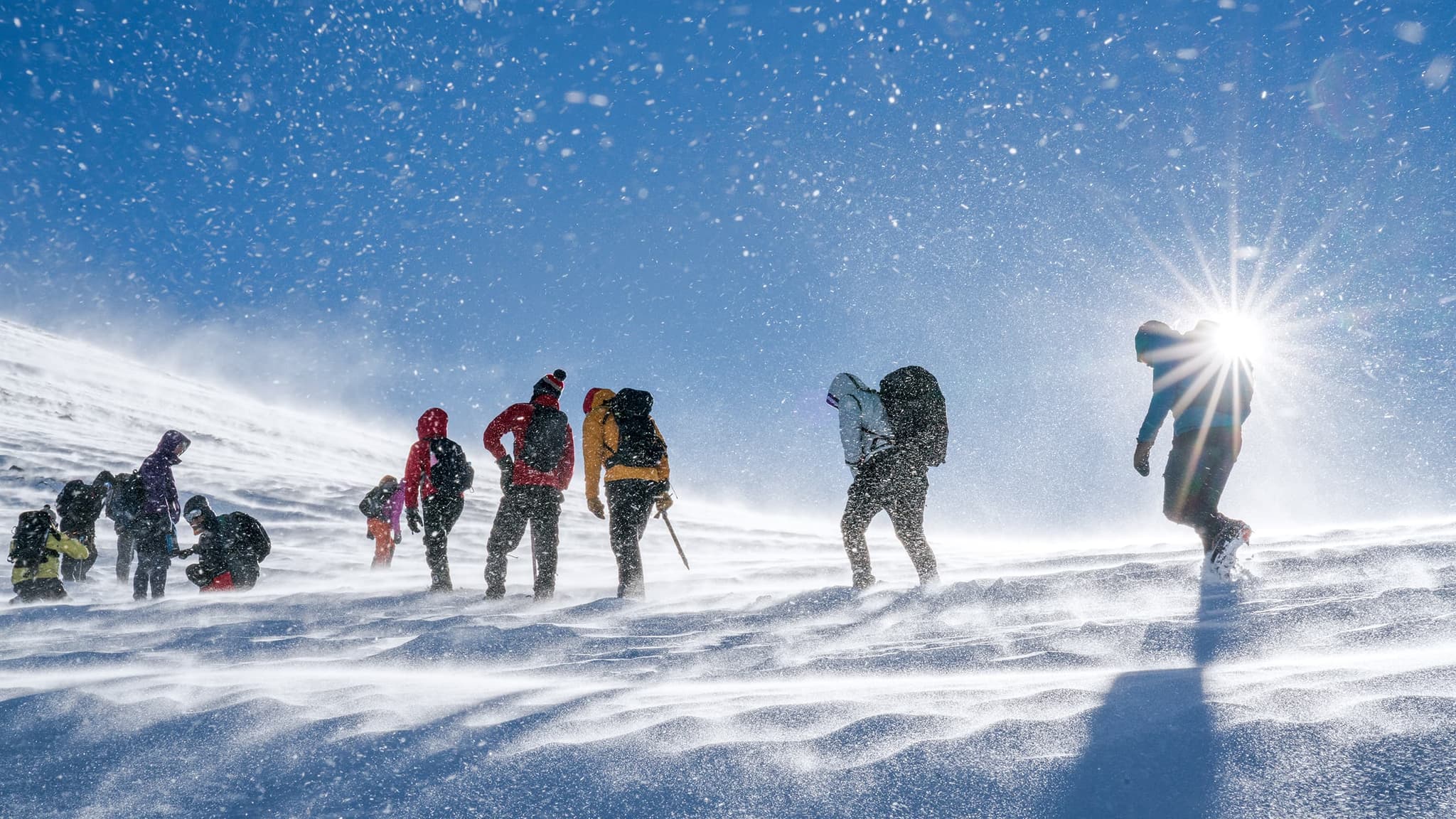
Climb Mount Toubkal (4167m): The Winter Edition
4 nights from£529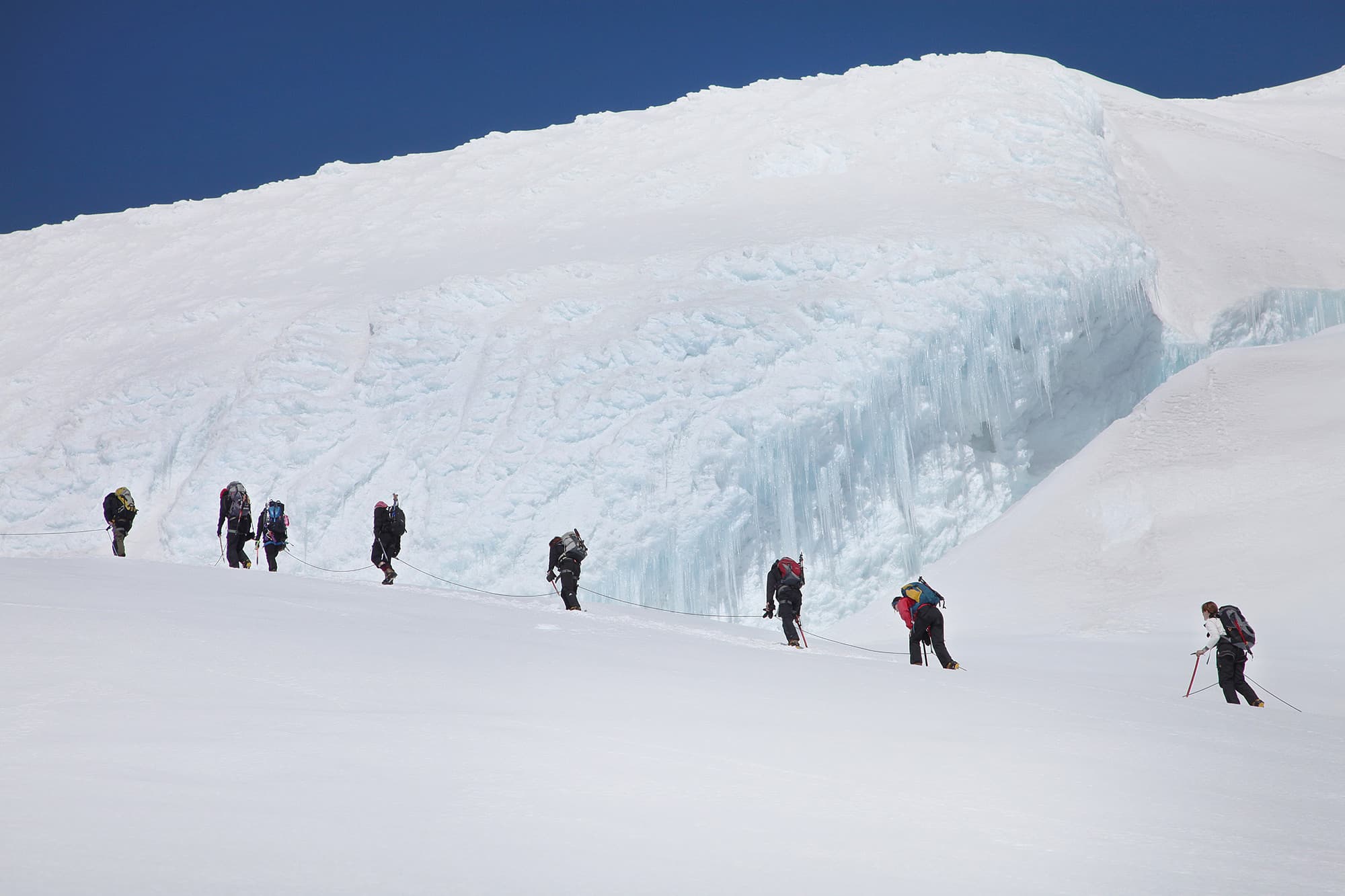
The 3 Peaks Challenge in Iceland
5 nights from£2,739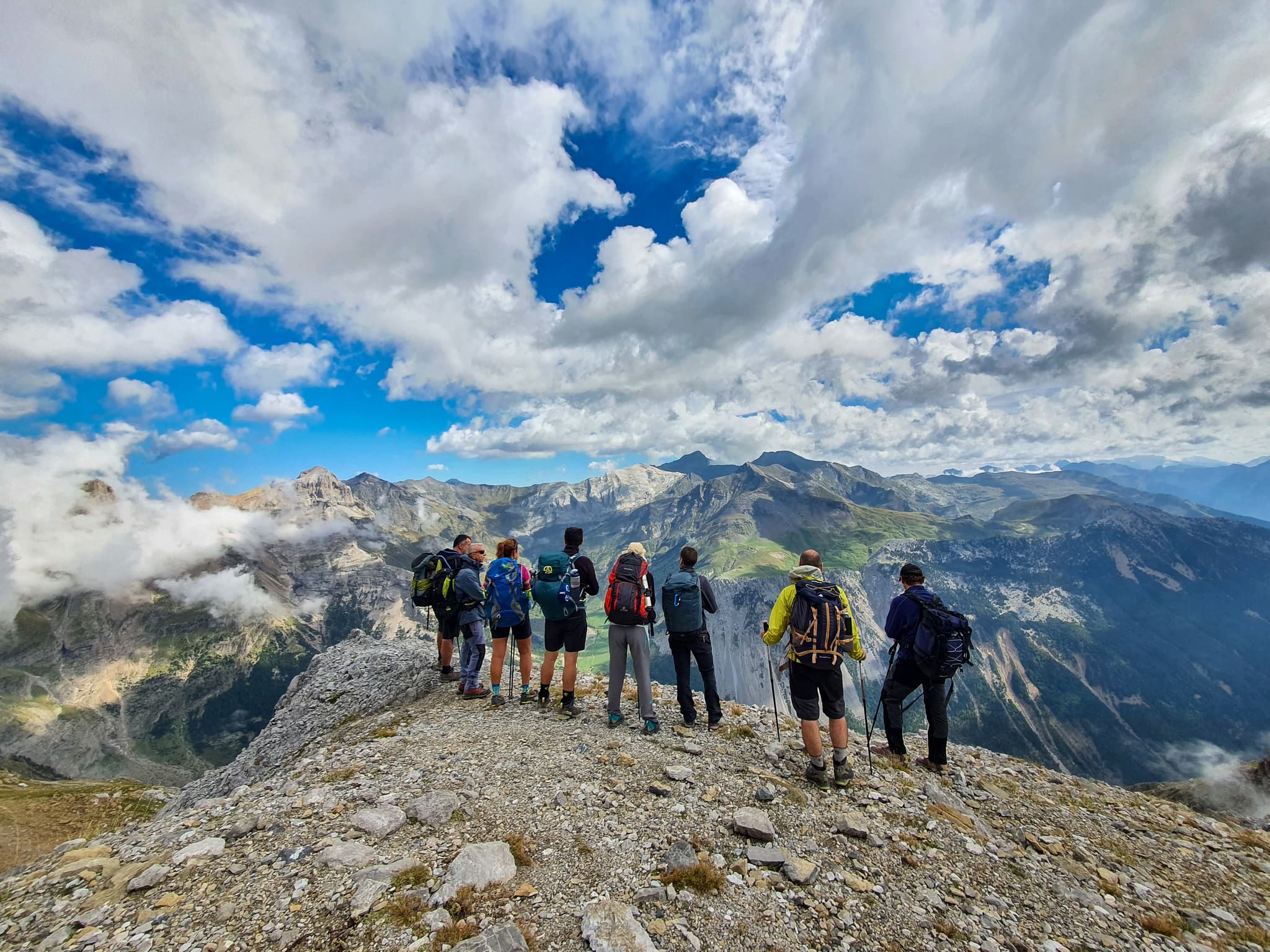
Hut-to-Hut Trekking in the Pyrenees
7 nights from£1,619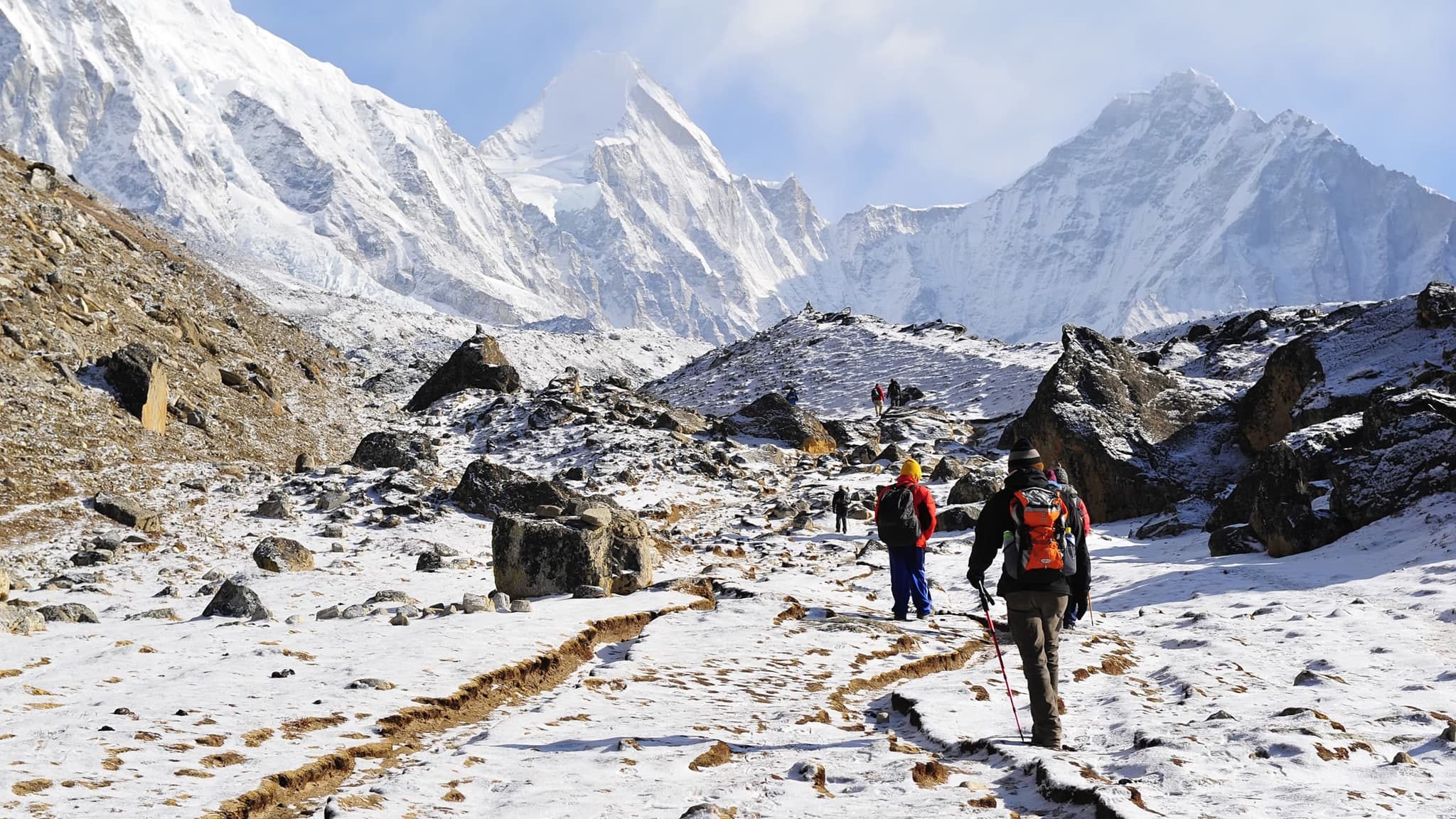
Trek to Everest Base Camp
15 nights from£1,270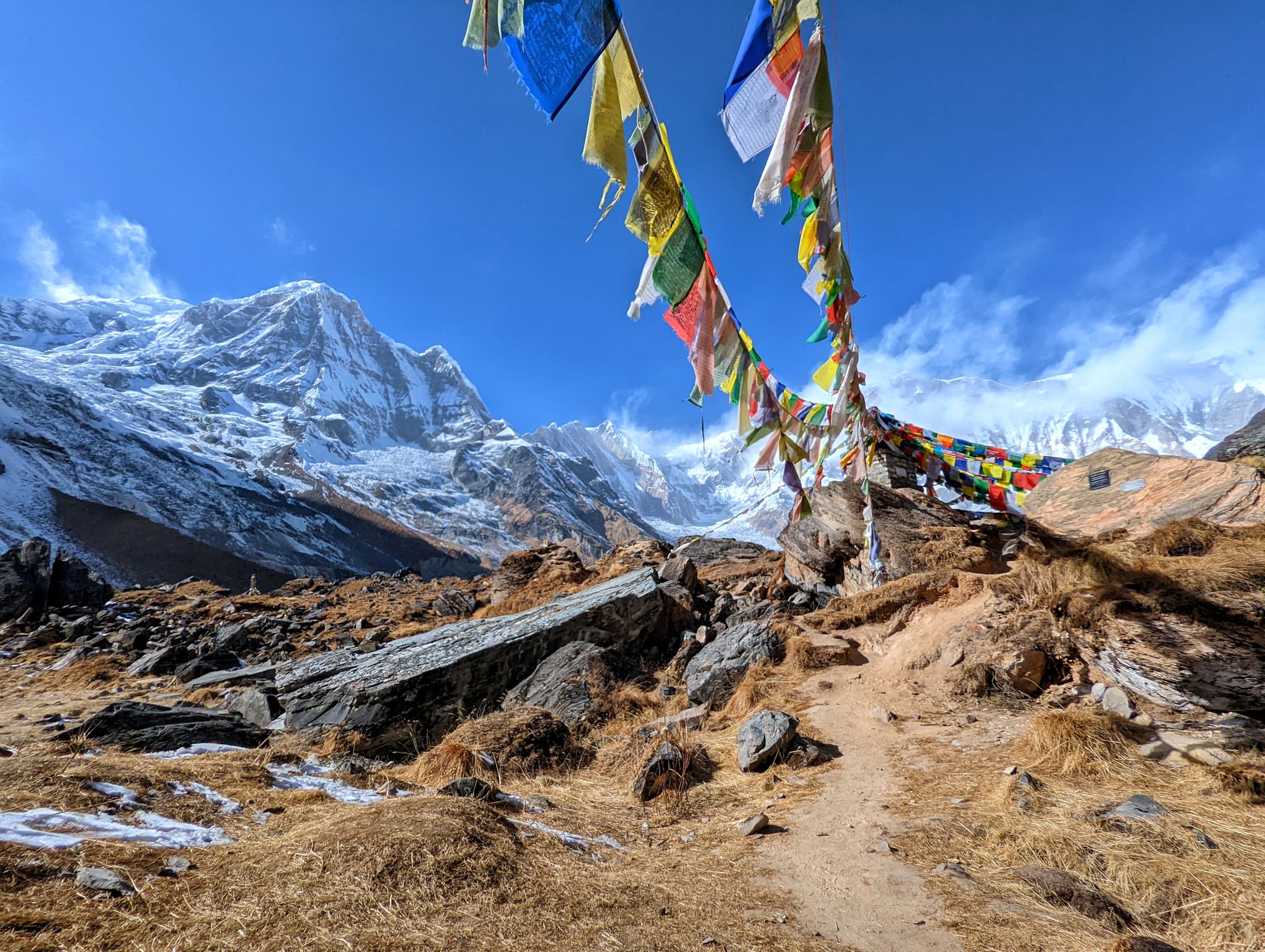
Trek the Annapurna Sanctuary Route
13 nights from£1,010