

5.0
Trek the Annapurna Sanctuary Route & Go on Safari
- Nepal
- 15 nights
Tackle a classic Himalayan trail among some of the world’s most incredible mountains and spot wildlife in the jungles of Chitwan
What's Included?
- Activities & Certified GuidesAll itinerary activities with local, expert, English-speaking guides
- Hotels & Teahouses6 nights hotels in Kathmandu, Pokhara and Chitwan and 9 nights in local teahouses along the trek
- Meals6 breakfasts, 2 lunches and 4 dinners are included
- Transfers & PorterageTo and from the airport and everything in between, plus porterage of your overnight luggage during the trek
- PermitsAll entrance fees and permits are taken care of
- Maximum group size: 12Join small n’ sociable groups of like-minded, active and outdoorsy people – designed to be solo-friendly
Fromexcluding flights
Highlights
Hike among the astonishing beauty of the Himalayas, through lush forests, remote villages and towering mountain vistas
Reach Annapurna Base Camp (4130m) and come face to face with an 8,000m+ peak for views that will leave you speechless
Explore the unique jungles of Chitwan, home to one of the last remaining populations of single-horned Asiatic rhinos
This is an extended version of our bestselling Annapurna Sanctuary Route trek (opens in new tab), allowing you to explore more of Nepal on your adventure
Itinerary
Day 1
Welcome to Kathmandu
HotelTwin shareDinner includedShow Day 1 detailHide detail
Settle into your hotel in Thamel, the lively hub of bustling Kathmandu. Once you've met up with your guides and sorted out any last-minute trek details, wrap up the day over a group dinner, getting to know your fellow adventurers.
Day 2
Road trip to Pokhara
HotelTwin shareBreakfast includedShow Day 2 detailHide detail
Embark on a scenic drive to the picturesque lakeside city of Pokhara (approximately eight hours away). Settle in to the drive through awe-inspiring Himalayan landscapes and terraced farmlands. On arrival, unwind at your hotel and enjoy the peaceful surroundings as you gear up for your first day of hiking tomorrow.
Day 3
The trek begins
TeahouseTwin or triple shareBreakfast includedShow Day 3 detailHide detail
A picturesque drive (of around two hours) will take you to Nayapul, where your trek begins. From the trailhead, step into the lush forest that gradually gives way to remote waterfalls and villages. Stop for lunch with a breathtaking view of Mount Machapuchare (6993m), then traverse a suspension bridge to start the challenging ascent up a stone staircase leading to Ulleri. While this segment may be one of the toughest on the trek, your guide will ensure a manageable pace for the group. Upon reaching the village, tuck into a hearty meal and settle in for your first night at a Nepalese teahouse.
Day 4
Ulleri to Ghorepani
TeahouseTwin or triple shareShow Day 4 detailHide detail
Take in the sweeping vistas from your teahouse as you sip a steaming cup of morning coffee, gearing up for a moderate ascent through a lush forest of oak and rhododendron. If you're trekking in early spring, prepare to be dazzled by the vibrant array of wildflowers carpeting the landscape. Camera at the ready, continue directly uphill, capturing glimpses of Hiunchuli (6441m) and Annapurna South (7219m) along the way. Following another meal against the backdrop of magnificent panoramas, press onward to Ghorepani, a village that's home to the Magar community, hopefully catching a memorable sunset over the Himalayas.
Day 5
Ghorepani to Chuile
TeahouseTwin or triple shareShow Day 5 detailHide detail
Rise before dawn to hike towards the summit of Poon Hill (3210m), a scenic hour-long uphill trek renowned for its breathtaking mountain vistas. Arrive just in time to witness an epic and unforgettable sunrise. Afterwards, retrace your steps back to Ghorepani for a hearty breakfast before descending steeply through the rhododendron forest, navigating more stone steps to reach Deurali Pass (3210m). Take a bridge over a small stream, stopping for lunch amidst the lush greenery of the forest. Prepare for a short yet steep climb to Tadapani village, keeping an eye out for glimpses of Annapurna South and Machapuchare (AKA Fishtail Mountain). Finally, take on a gradual descent to the village of Chuile, where you'll rest tonight.
Day 6
Chuile to Sinuwa
TeahouseTwin or triple shareShow Day 6 detailHide detail
Wake up to the stunning sight of Machapuchare peak from your teahouse, and tuck into breakfast. Begin the day's trekking by descending along the trail through sparsely populated settlements until you reach Kimrong Khola. See the landscape transform before your eyes as the forest thickens into wild, untamed jungle. Descend further to Ghurjung before facing a steep uphill climb to Chhomrong, the last permanent village in the valley. The path undulates again as you follow a stone staircase descending to the river before ascending steeply on the opposite side leading to your destination for the night, Sinuwa, offering yet another breathtaking view of the majestic Machapuchare.
Day 7
Sinuwa to Himalaya
TeahouseTwin or triple shareShow Day 7 detailHide detail
Descend yet more stone steps amidst the dense jungle foliage. Trace an undulating path alongside a wild river as you traverse some of the most demanding terrain of the entire trek, until you arrive at the village of Bamboo. The panoramic vistas from here reward every ounce of effort, and you can take a well-deserved break before pressing on through the forest to your next destination – the aptly named village of Himalaya.
Day 8
Machapuchare Base Camp
TeahouseTwin or triple shareShow Day 8 detailHide detail
Begin today with a challenging uphill trek through oak and bamboo forests to reach Hinku Cave, then continue onwards and upwards along a rocky trail, crossing steep ravines and several small streams via wooden bridges. As the path leads you to Deurali, you'll navigate the banks of a glacial river and ascend through birch forests, flanked by layers of snowy ridges on either side. Finally, emerge above the treeline and ascend over the mountaintop to reach Machapuchare Base Camp. Take a moment to soak in the awe-inspiring vistas, including Hiunchuli, Gandharyachuil, Gangapurna, and the magnificent Annapurna Massif. Afterward, unwind and recharge under the thousands of stars glinting in the Himalayan night sky.
Day 9
Annapurna Base Camp
TeahouseTwin or triple shareShow Day 9 detailHide detail
Start your day with breakfast amidst breathtaking mountain views, then bid farewell to the forests and venture into the snow-covered rocky terrain above. While the trail ascends gradually without steep inclines, you may notice the effects of altitude on your breathing and pace. Press on to complete the last leg of the journey to Annapurna Base Camp (4130m) – the pinnacle of the entire trek, which reveals why this is one of the world's most renowned trails. If the weather's good, keep your eyes out for a magical sunset in this magnificent setting.
Day 10
Annapurna Base Camp to Bamboo
TeahouseTwin or triple shareShow Day 10 detailHide detail
Rise early to catch an awe-inspiring glimpse of Annapurna I, Annapurna II, Annapurna III, Annapurna South, Gangapurna, Hiunchuli, and Machapuchare as they are revealed in the peachy glow of sunrise. Get back on the trail for a downhill day, immersing yourself in the mountain vistas surrounding you from every angle. Enjoy this panoramic beauty as you gradually descend through forested slopes, culminating in a long trek to the village of Bamboo where you will spend the night.
Day 11
Last night in the mountains
TeahouseTwin or triple shareShow Day 11 detailHide detail
Ascend to Khuldighar via yet more stone staircases then proceed along a gentle downhill path, navigating steps that guide you to Chomrong Khola. It's uphill again to through the village before descending to Jhinu Danda. Finally, make your way to the bubbling hot springs at Jhinu Danda for some well-deserved downtime.
Day 12
Return to Pokhara
HotelTwin shareDinner includedShow Day 12 detailHide detail
Start your last hiking day among mesmerising views of Nepal's mid-hills. Enjoy the crisp mountain air, capture those last mountain snapshots, and savour the descent into Naya Pul, from where you'll be driven back to Pokhara. Head out for dinner to celebrate with your crew, then spend the rest of the evening relaxing, partying or catching up on some well-deserved rest!
Day 13
Hit the road to travel to Chitwan
HotelTwin shareAll meals includedShow Day 13 detailHide detail
Bid farewell to the picturesque Pokhara Valley and the iconic Fishtail Mountain as you embark on a journey towards Chitwan National Park. Nepal's first national park, Chitwan protects more than 900 square kilometres of forest, grassland and an incredible array of wildlife – including gharials (crocodilian reptiles known for their long, pointed snouts), rhinos, elephants, pythons, and several species of deer, as well as the very rare and elusive big cats: Bengal tigers and leopards. On arrival, freshen up, enjoy a tasty lunch, then pay a visit to the traditional Tharu village, catching sunset along the banks of the Rapti River. Conclude this leisurely day with a tasty dinner, then bed down in your comfortable jungle hideaway before a full day of exploration tomorrow.
Day 14
Wildlife encounters in Chitwan National Park
HotelTwin shareAll meals includedShow Day 14 detailHide detail
Wake early and start your day of wildlife exploration with a visit to the Crocodile Conservation Project, an initiative dedicated to safeguarding the endangered crocodile species of Chitwan. Established in 1971, the Gharial Conservation Centre focuses on breeding and releasing these distinctive crocodiles into the wild. Next, board a dugout canoe for a leisurely cruise along the Rapti River, the perfect chance to get your first glimpse of aquatic birds, gharials, and other wildlife which feed along the picturesque riverbanks. Return to the hotel for lunch before embarking on a jeep safari through the thick, wild jungles of Chitwan, eyes peeled for local wildlife including bison and the elusive one-horned rhinoceros.
Day 15
Drive to Kathmandu
HotelTwin shareBreakfast includedShow Day 15 detailHide detail
Begin the day with an early morning jungle walk, led by a knowledgeable park naturalist. Immerse yourself in lush surroundings as you look out for diverse bird species, flora, and fauna. Later, take a bus back to Kathmandu and check in to your hotel in Thamel. Enjoy some downtime in Nepal’s capital and an optional final dinner with your team.
Day 16
Last chance to enjoy Kathmandu
Breakfast includedShow Day 16 detailHide detail
Enjoy a lie-in followed by breakfast at your hotel then, time permitting, spend your last day exploring the city before returning to the airport and back to reality.
Practical Stuff
Getting There
- Nearest airport
- Tribhuvan International Airport (KTM)
- Pick up
- Tribhuvan International Airport, Kathmandu
Arrive by 16:00 on Day 1 - Drop off
- Tribhuvan International Airport, Kathmandu
Any time on Day 16
This Trip is Graded Level 4
- Level 4
Moderate-Challenging
Created for adventurers ready to take on a few longer, more demanding days
High Altitude Factors To Consider + 3 other factors - How much activity is involved?
Typically five to seven active hours daily, with some challenges
The Annapurna Sanctuary Route is the ideal trek for those who are keen to experience the Himalayas but aren’t quite ready for the longer, higher-altitude treks such as Everest...
- Right level, wrong trip?
Browse all our Moderate-Challenging trips
Your next adventure is out there

 Not sure which level is right?
There's a level for everyone – find your match
What is and isn't Included?
What's included
- 10 days of guided trekking on the Annapurna Sanctuary Route, via Annapurna Base Camp
- Visit to Tharu village
- Visit to the Gharial Conservation Centre, with a canoe cruise
- Safari in Chitwan National Park
- Jungle walk in Chitwan National Park
- Local, expert, English-speaking guides
- A park naturalist to lead your jungle walk in Chitwan
- 2 nights in a centrally located hotel in Kathmandu
- 2 nights in a lakeside hotel in Pokhara
- 2 nights in a jungle resort hotel in Chitwan
- 9 nights in traditional teahouses along the trek
- 6 hotel breakfasts
- 2 tasty lunches while in Chitwan
- 4 hearty dinners
- Arrival transfer from Kathmandu Airport
- Departure transfer to Kathmandu Airport
- All transfers during the trip
- Porters will carry your overnight luggage for you during the trek
- All entrance fees and permits are taken care of
What's not included
Our trips do not include flights, trains or other travel to the start point and back from the end point.
How much you spend per day will vary according to your choice of meal, but generally people spend between $15-$25 per person per day on meals and hot drinks. Below is an approximate breakdown of some items:
- Dal baht: $4 to $7
- Chow mein: $2 to $4
- Eggs: $2 to $4
- Toast: $1.50 to $3
- Tea/hot chocolate: $1 to $3
- Chocolate bars: $2 to $4
Teahouses will provide cold water free of charge; however, it will need to be treated to enable you to drink it. Please read the drinking water FAQ for our advice.
Other extra costs to be considered are:
- Shower: $2-$4
- WiFi: $2-5
- Electricity: $2-5
It is customary in Nepal to tip guides and porters. Although it may not be customary to you, it is of considerable significance to the people who will take care of you during your travels. You can give any tips to your lead guide at the end of your trip. This will then be shared amongst the whole team. For full transparency, the lead guide will distribute the tips to the guides and porters in your presence. It is customary for the guides to receive a higher share than the porters as they are more highly qualified.
A good rule of thumb is around $115pp as a tip, although the amount you give is entirely your choice.
If you would like to give an additional tip to a member of the team who has supported you personally, please do so directly and discretely.
You know your own spending habits best, so please budget an appropriate amount for things like optional meals and drinks, shopping, optional activities, and laundry.
Travel insurance is compulsory for all of our adventures and you are required to provide your policy information before departing. Your insurance should include adequate protection for overseas medical treatment, evacuation/repatriation, your baggage and equipment and the specific activities involved on your adventure. We also strongly recommend it includes cancellation and curtailment insurance, should you be unable to join your trip for specific reasons such as illness. Our recommended travel insurance provider is Campbell Irvine (opens in new tab), as their insurance offers all of the above.
Owing to the nature of this trip, it is essential that your personal travel insurance policy provides cover to the maximum altitude visited on this trip (4130m) as well as for emergency medical evacuation by helicopter.
Visa requirements often change, and you are responsible for obtaining any required visas for this trip. Please check with your nearest embassy or consulate for up-to-date advice.
Where You'll Stay
Looking for a private room? See Optional Extras for details and pricing.
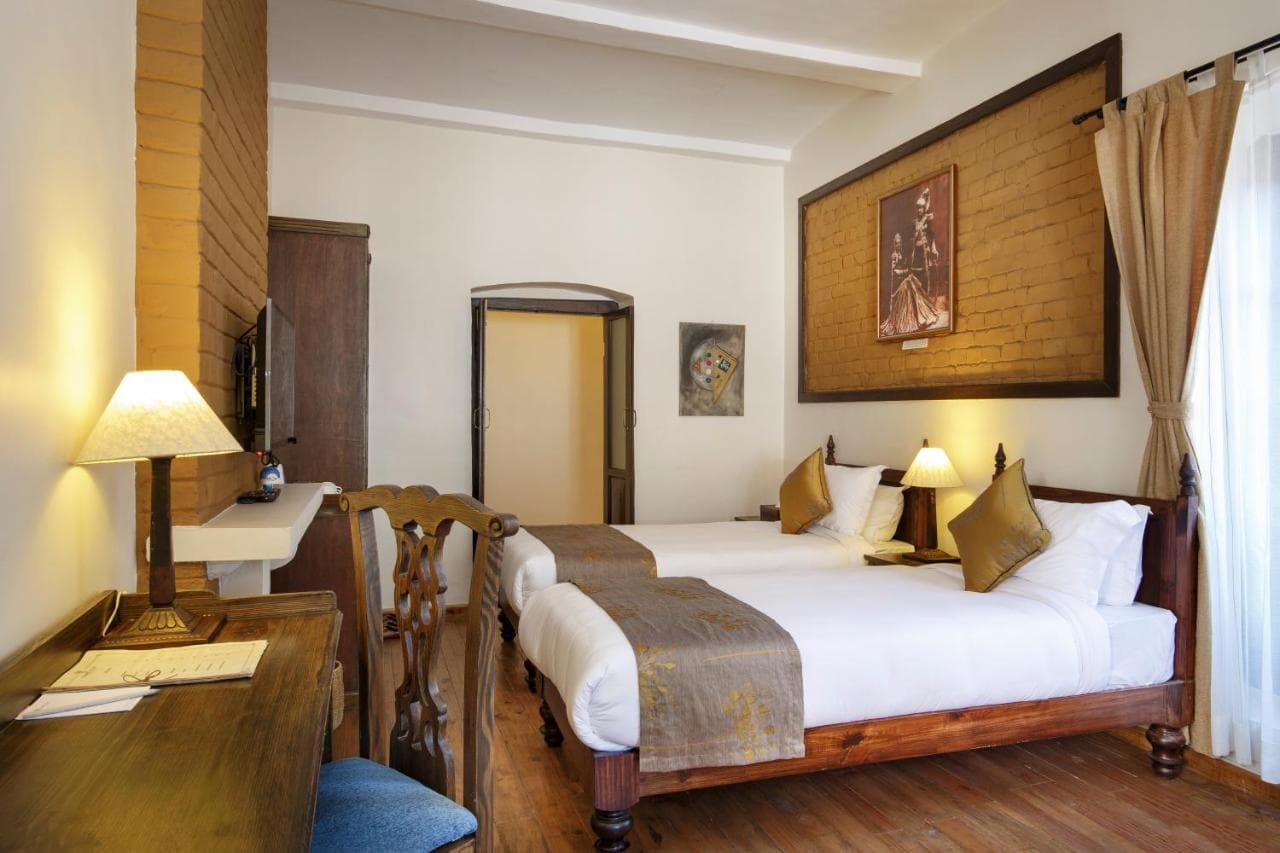
Kathmandu
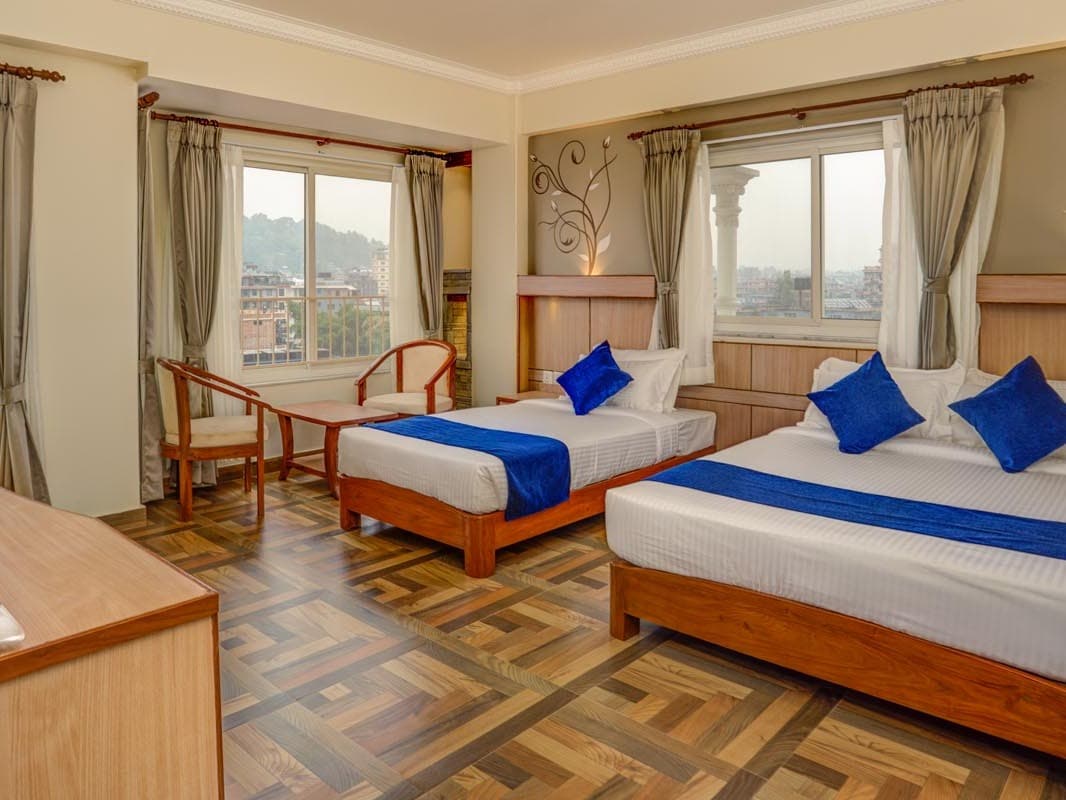
Pokhara
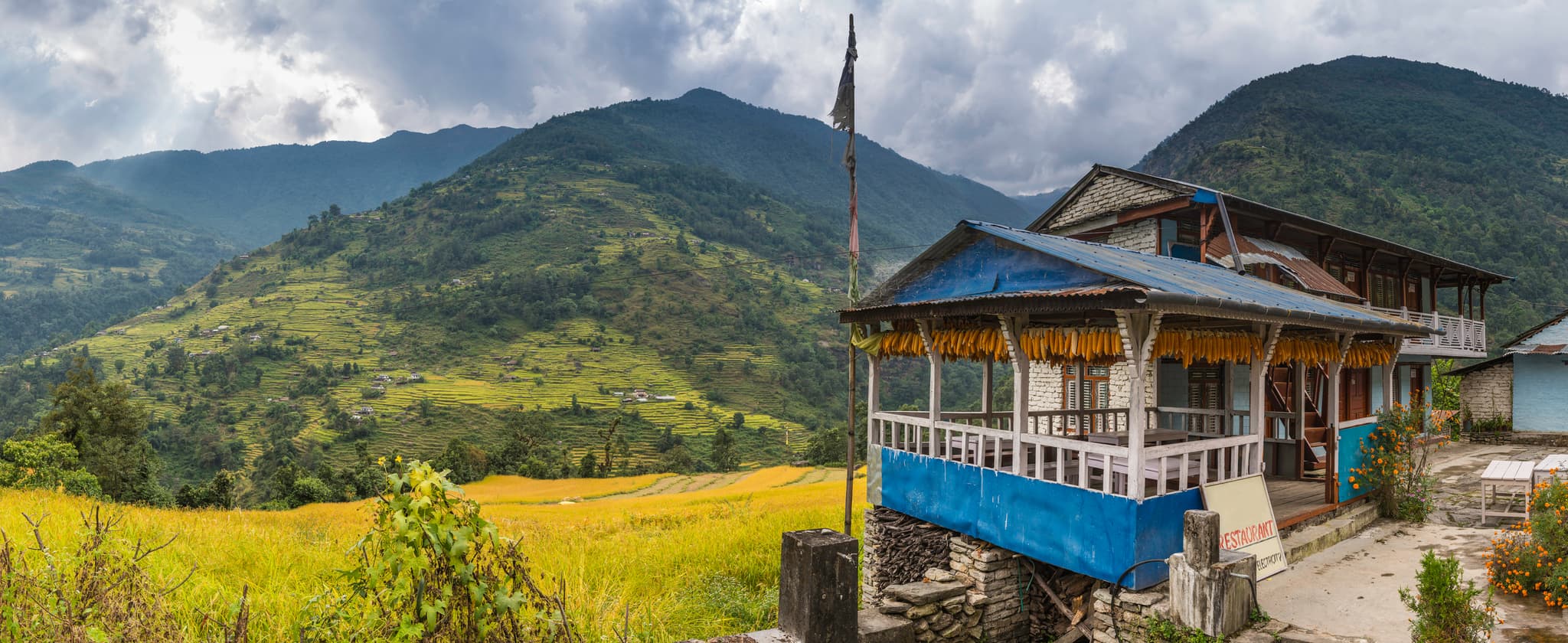
On the trail
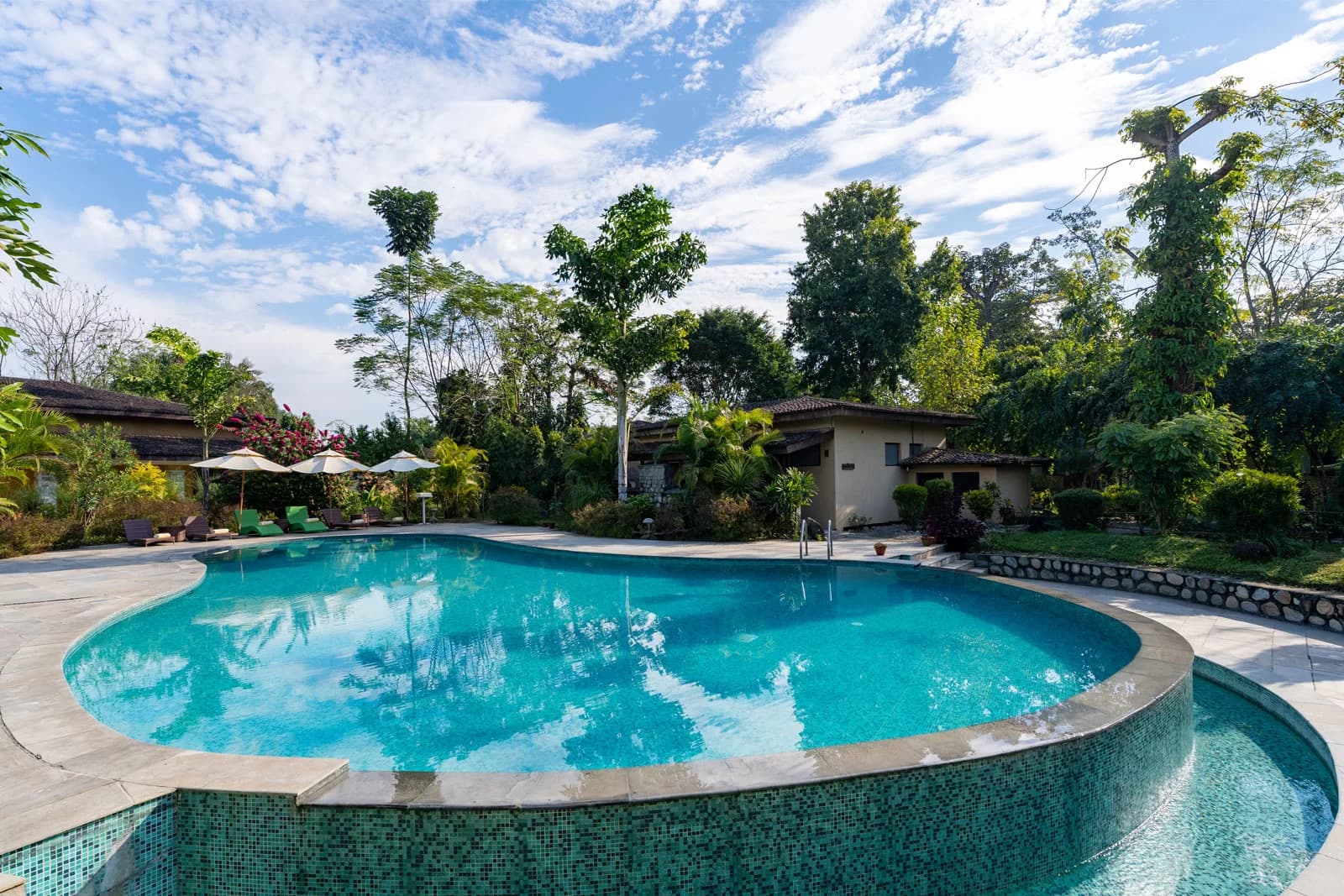
Chitwan
What You'll Eat
Breakfast offerings usually include hot porridge, muesli or Tibetan bread served with an omelette or boiled eggs. The dinner menus in the teahouses are very similar at every stop and there will usually be a choice of traditional Nepalese dhal bhat (a…
Optional Extras
Pre/Post Trip Accommodation
- Pre/post-trip accommodation in Kathmandu (Single)
- £47
- Pre/post-trip accommodation in Kathmandu (Twin/Double)
- £51
Upgrades
- Optional Private Room Upgrade (6 nights hotels in Kathmandu, Pokhara, Chitwan)
- £117
For solo travellers looking for their own space, an optional private room can be booked (excluding two nights in the teahouses), subject to availability – see Optional Extras. Please request this at the time of booking.
To request any extras, message your host via your Much Better Adventures account once you have booked your trip.
All extras must be paid before your trip starts.
Ratings & Reviews
5.042 reviews
- 4 stars (0)
- 3 stars (0)
- 2 stars (0)
- 1 star (0)
Category rating
- Food
- 5.0
- Guides & crew
- 5.0
- Accommodation
- 4.0
- Itinerary
- 5.0
Latest Reviews
Customer Photos
Before You Travel
What to Pack
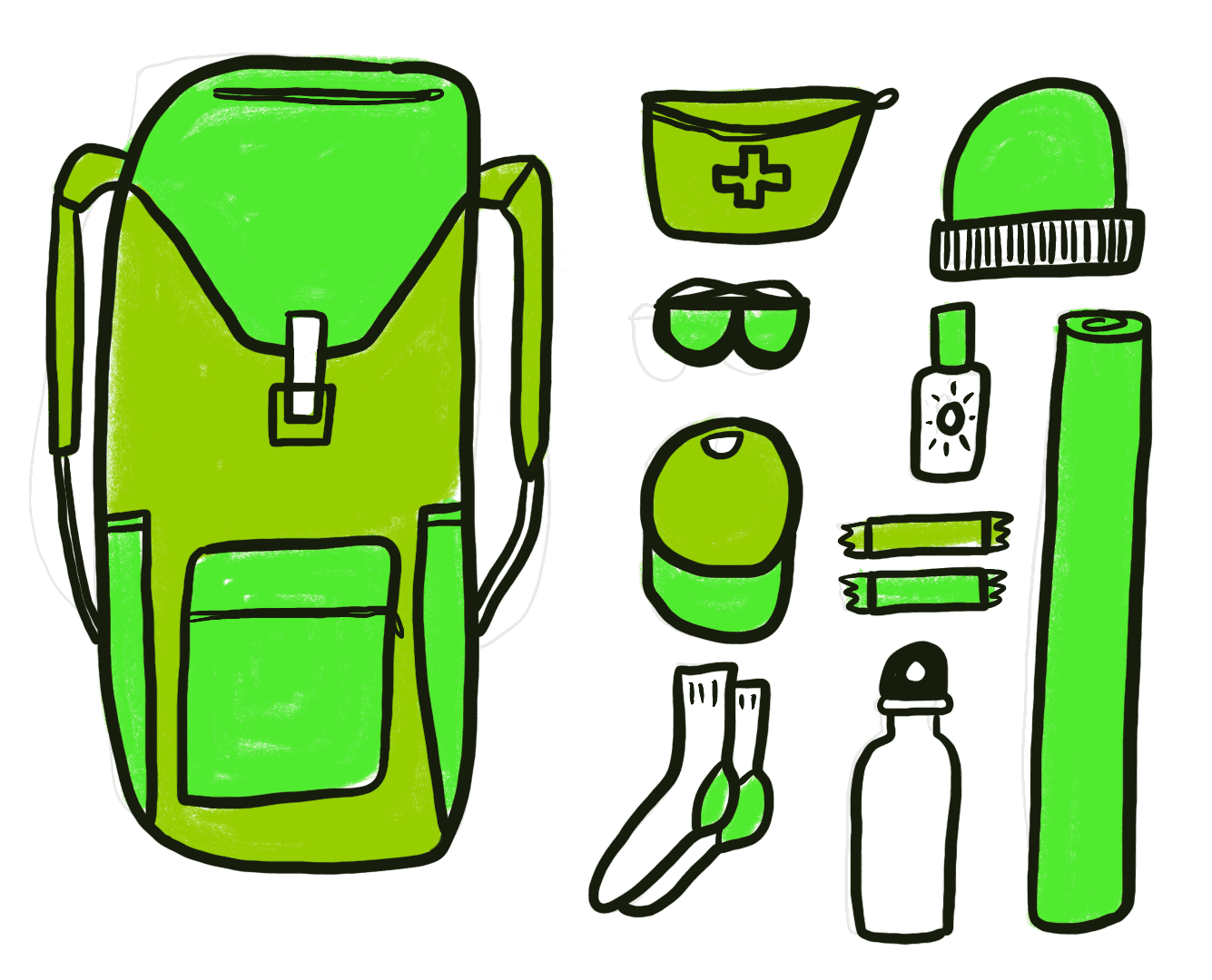
Know before you go! Some stuff we'll provide, other things you'll need to bring.
FAQs
Who at Much Better Adventures designed this trip?
Marta Marinelli, raised in Italy’s serene Prosecco Hills, dreamt of global adventures, inspired by her father's travel stories. Her passion evolved into a career, backed by a decade of studies including degrees in international tourism and destination management. She’s worked in the adventure travel sector since 2012, living in Italy, the UK, and now sunny Portugal.
Over twenty years, Marta has explored over 55 countries, visiting remote areas like Ghana, Rwanda, Sao Tome and Principe, Haiti and Nepal’s Upper Mustang region. As a Senior Adventure Expansion Manager at Much Better Adventures, she focuses on creating life-changing experiences, ranging from multi-activity adventures, challenging treks to ultimate adventures in iconic places. She loves the challenge of finding the best local adventure hosts around the world, collaborating on adventures that offer genuine immersion, pushing beyond the beaten path and working on exclusive itineraries that challenge your comfort zone.
What makes her tick? Enabling people to live adventure-rich lives while positively impacting and empowering local communities around the world, generating sustainable opportunities for both the host, guides, community, and the environment.
Anything I should know about money while on the trip?
The preferred currency is the Nepalese Rupee (NPR). Whilst ATMs are available in the main cities, please do not rely on them as they are often out of order and most have a maximum withdrawal limit equivalent to about £300.
It's best to bring the bulk of your money with you in cash and exchange it at a bank or at one of the many money changers in Nepal – your guide will help you with this. Most major currencies are accepted, including GBP (Sterling), Euros and US Dollars, however Scottish or Northern Irish currency cannot be changed. Keep your exchange receipts in case you want to change any unused Rupees back into hard currency when you leave Nepal (it is illegal to export Nepalese Rupees, as it is a closed currency).
You will need to carry a fairly large amount of cash while trekking, for the meals (see 'Not Included' above). We advise that you keep this in a waterproof bag and in your day bag along with your passport.
Are there any weight restrictions on packing?
You can leave any luggage not needed on the trek at your hotel in Kathmandu.
This trip includes one porter for every two trekkers. They will carry up to 20-25kg of kit so your overnight bags and spare clothes will be transported for you (maximum 12kg per person). You will only need to carry a daypack with essentials in (extra layer, snacks, water, suncream, camera etc).
What are the guide's qualifications?
We work with some of the best leaders in the industry, every one of which is government licensed and very experienced. In order to ensure this high standard of performance, the host provides them with top-notch in-house training that covers advanced wilderness first aid, hyperbaric chambers, oxygen system, mountain rescue, incident management and Leave No Trace (LNT) principles to help keep the Himalayas pristine.
What’s Plan B in case of poor weather or trail closures?
Although we schedule departure dates outside of the main monsoon season, weather conditions in any mountain region can be unpredictable and sometimes your host will need to revert to 'Plan B'.
No two trekking seasons are the same, but occasional landslides or heavy snowfall and avalanches have been known to lead to trail closures on this route – particularly in the areas around Machapuchare Base Camp and Annapurna Base Camp. If the trail is closed or deemed unsafe your host will organise an alternative trek of similar difficulty and duration – usually to Mardi Base Camp.
What can I do with my spare time in Kathmandu?
We've sourced some great optional activities for you to do in and around Kathmandu should you wish to explore the area further. Please discuss these directly with your host, who will be able to book them for you.
Cook Like a Local: This short cooking workshop (approximately 3 hours) teaches you how to cook popular Nepali dishes like momos and dal bhat. You'll meet your teacher and accompany them shopping, then head to the kitchen and learn to cook alongside them. Price: pay what you think the workshop is worth!
Shop Local: A 2-3 hour guided exploration of the markets of Kathmandu. Learn about the vendors that line the narrow and crowded alleyways and witness everything you could ever imagine being sold, haggled, or bargained for. It’s a great chance to learn about the melting pot of cultures that exist in Kathmandu. Price: $9-$50 per person, depending on group size.
Master of the Arts: Patan Durbar Square is popular for its handicrafts, and this trip will explore the local factories where they are produced. You’ll visit 2-3 factories and learn about the traditional processes they use and see artwork being produced. Price: $14-$59 per person, depending on group size.
Introduction to Shamanism: Shamanism, which is believed to heal many diseases, is not practiced widely these days. However, this trip enables you to meet a practicing Guru and learn all about this age-old tradition. You’ll visit a small house for an introduction, followed by lunch and then a drumming session where you’ll learn the importance of rhythm to healing. Price: $90-$150 per person, depending on group size.
What do I do about drinking water?
Although most teahouses have the option to buy bottled water, we advise against it to reduce the use of plastic in the mountains (this ends up being burnt or dumped in landfill out of sight). You will instead be provided with cold water that needs treating. There are a wide range of products available these days which are more effective than traditional purification tablets – some trekkers like to use UV handheld devices such as a Steripen but other options are available – just be sure to check the performance in freezing conditions.
What should my travel insurance policy cover?
Owing to the nature of this trip, it is essential that your personal travel insurance policy provides cover to the maximum altitude visited on this trip (4130m) as well as for emergency medical evacuation by helicopter.
High altitude (over 2500m): what factors should I consider?
This trip visits locations at or above 2500m, where some people may experience symptoms of Altitude Sickness (opens in new tab), also known as Acute Mountain Sickness (AMS).
Previous experience at altitude doesn’t guarantee the same response again – your body can react differently on each trip. However, having been at altitude before is still valuable: it gives you a better understanding of how your body might respond, what symptoms to look out for, and how to manage your pace and energy levels.
Your guide is trained to manage the risk of altitude sickness by controlling the rate of ascent, monitoring group wellbeing, and responding appropriately if anyone feels unwell.
Before booking, we recommend considering your personal health, particularly if you have any pre-existing conditions, and consulting a medical professional if you’re unsure. Arriving early to allow your body to acclimatise can also make a big difference.
Your travel insurance must cover the maximum altitude reached on this trip and include emergency evacuation.
Wildlife encounters: what factors should I consider?
This trip takes place in environments where wild animals are present in their natural environment, where protections and controls on their movement may be limited or non-existent. Some species may be dangerous, venomous, or unpredictable. Sightings are a privilege – but safety is key. Always follow your guide’s instructions and any posted signage.
We recommend considering your comfort around wildlife and discussing any concerns with your host before travel, particularly if you have allergies, phobias, or related health conditions.
Hot & cold climate: what factors should I consider?
This trip includes locations where temperatures can range from extremely hot to extremely cold during different parts of the itinerary. In some areas, you may face high daytime temperatures, strong sun, and humidity with limited shade. Elsewhere – especially at higher elevations – temperatures may drop below freezing, particularly at night.
These extremes can affect your physical performance and increase the risk of heat-related issues such as dehydration or heat stroke, or cold-related risks like frostbite and hypothermia. Your guide will manage the pace, monitor group wellbeing, and adjust the plan when needed to keep everyone safe.
We recommend considering how you personally respond to heat and cold, and speaking with a healthcare professional if you have any conditions that could be affected. Packing the right gear for both climates is essential, and arriving early may help your body acclimatise more comfortably – especially if you're coming from a more moderate climate.
Can I book on my own?
Sure can! Over 70% of our travellers travel solo, it’s a great way to meet like-minded people.
Who is running the trip?
Our team of Adventure Hunters co-create exclusive adventures which are run by highly vetted, specialist hosts. The trip is run by our trusted host partner in the destination. We only work with independent, local, in-destination experts who know the very best places to explore and how to stay safe. Read more information about the local teams we partner with (opens in new tab). You’ll be introduced to the host straight after making a booking via the Much Better Adventures platform.
What is the official travel advice?
Much Better Adventures refer to the UK Government’s official travel advice when designing trips and monitoring trip operations. We recommend that all customers are familiar with the practical information provided on the Government’s FCDO website (opens in new tab), where current travel advice can be found by searching for the applicable destination(s).
For customers joining this trip from other international destinations – please also read the official travel advice applicable to your country of residence/origin, as this may differ.
What vaccinations do I need?
We recommend checking out the country-specific information (opens in new tab) and also talking to a travel nurse.
How are the trips priced?
We automatically convert prices from the local currency that a host receives to your chosen currency. We update our exchange rates on a daily basis so this does mean that prices displayed on the site are subject to currency fluctuations, which is why you may see them change over time.
If you wish to change the currency you pay in, head to the bottom of the page.
Why are your adventures only for adults?
All of our group adventures are specially designed for adults to enjoy as we want these adventures to bring together outdoorsy people who are truly like-minded. You must be over 18 to join one of our trips.
Who else will be on my trip?
You're always in good company on one of our adventures.
Our trips are typically made up of a mixture of solo travellers and small groups of 2 or 3 friends, with most in their 30s-50s.
Our sociable adventures are solo-friendly by design and naturally attract outdoorsy people with a shared mindset; a love for adventure, a desire to push themselves and meet awesome, like-minded people along the way.
It’s this camaraderie that has so often turned a great adventure into a life-changing one.
Don't just take our word for it:
- 95% of people rate the group dynamics on our trips 5/5
- 90% of people recommend joining a trip to make new friends
- 75% of people have met people on our trips that they would now consider friends
See here (opens in new tab) for more info about the Much Better Adventures tribe.
What's the weather like?
The main trekking season in Nepal is from September to May (before or after the monsoon) and can be split into three seasons:
Winter (Dec-Feb): Despite being seen as ‘off-season’ this is often the best time to trek in Nepal. The nights can be very cold (down to at least -10ºC/14F) at Annapurna Base Camp but the trails are quieter and the mountain views are often at their best due to the crisp dry air and clear sunny skies.
Pre-Monsoon/Spring (Mar-May): Spring (particularly April and May) is the mildest time to trek in Nepal and magnificent rhododendron forests bloom along the Annapurna Sanctuary route at this time of year. It will be hot in the lowlands (30ºC/86F) but more comfortable as you gain elevation. Rain is not uncommon and snow cover is likely at Base Camp. Night-time temperatures should remain above freezing for the most part but can still drop below zero at Base Camp.
Post-Monsoon/Autumn (Sep-Nov): The rains can sometimes persist into September but in general this time of year is characterised by sunny, relatively mild days and clear skies. It can get cold and windy at higher altitudes and nights can be cold (typically -5ºC/23F) at the high points.
Of course, mountain weather is notoriously hard to predict and snow and extremes of temperature can be expected on any trip so come prepared.
Chitwan sits amidst the sub-tropical lowlands of Nepal and you may encounter temperatures above 30°C and high humidity.
What's the carbon footprint for this trip?
We partner with the World Land Trust to ensure this trip achieves Net-Zero emissions. We also support their Buy an Acre programme, helping local communities to buy and protect natural habitats in perpetuity.
What's the number?
It works out on average at 360kg of CO2 emissions per person, including all local transport, accommodation, food, activities, guides, staff and office operations.
The only thing it doesn’t include right now is flights and travel to the destination. We do make an overall estimate across all our customers separately, but as we don’t book flights, have customers from all corners of the world, and no way of reliably knowing their travel plans, we simply can’t include an individual number in the figure on display here. We’ve got a goal to fix that, so that when you book, there is a way to measure and mitigate the carbon emitted by your flight too.
But what does the number mean?
Yep, hard to picture eh? To give you an idea:
- Driving 1000 miles/1609km would be approximately 281kg of CO2 in an average car (or 140.5kg per person, if there were two of you in it).
- A return economy class flight between London and New York would be approximately 1619kg (1.66 tonnes) per person.
- 10 trees in a temperate forest are estimated to remove approximately 250kg of CO2 from the air in a period of 5-10 years.
What are we doing about it?
Our trips are relatively low-carbon by design, and we're working with all our hosts to develop long term carbon reduction plans. We partner with the World Land Trust (opens in new tab) to ensure this trip achieves Net-Zero emissions. We also support their Buy an Acre (opens in new tab) programme, helping local communities to buy and protect natural habitats in perpetuity, ensuring the protection of the reserve and its wildlife.
Want to know more?
Amazingly, no international travel company has ever publicly published their carbon measurements before, as far as we know. We believe that must change, quickly. So we’re openly sharing the method we used in the hope that other companies will be able to more easily follow suit and build on what we've done so far. You'll find it all here (opens in new tab).
Want to Know More?
Ask our AI Assistant
Get instant answers about this adventure
Departure dates
Secure your spot
10% deposit to book (limited exceptions)
Pay in instalments, no interest or fees
Going solo?
Log in to see how many others are booking solo too

Don’t see a date you like?
Get an email alert when new dates are added for this trip
Subscribe to alertsWe've Got Your Back
Book with confidence and peace of mind.

Go private and split the bill with ease.
Forget complex logistics, we've taken care of all the details to ensure a hassle-free get together. All of the adventure, none of the faff.
Feeling adventurous? Here's £100 towards it.
Sign up to our newsletter and we'll email you a £100 code for your first trip. You'll also get weekly trip inspiration, expert advice and last minute deals.
Still Undecided? 🇬🇧 🇺🇸
A few other trips to tickle your fancy 🇬🇧 🇺🇸
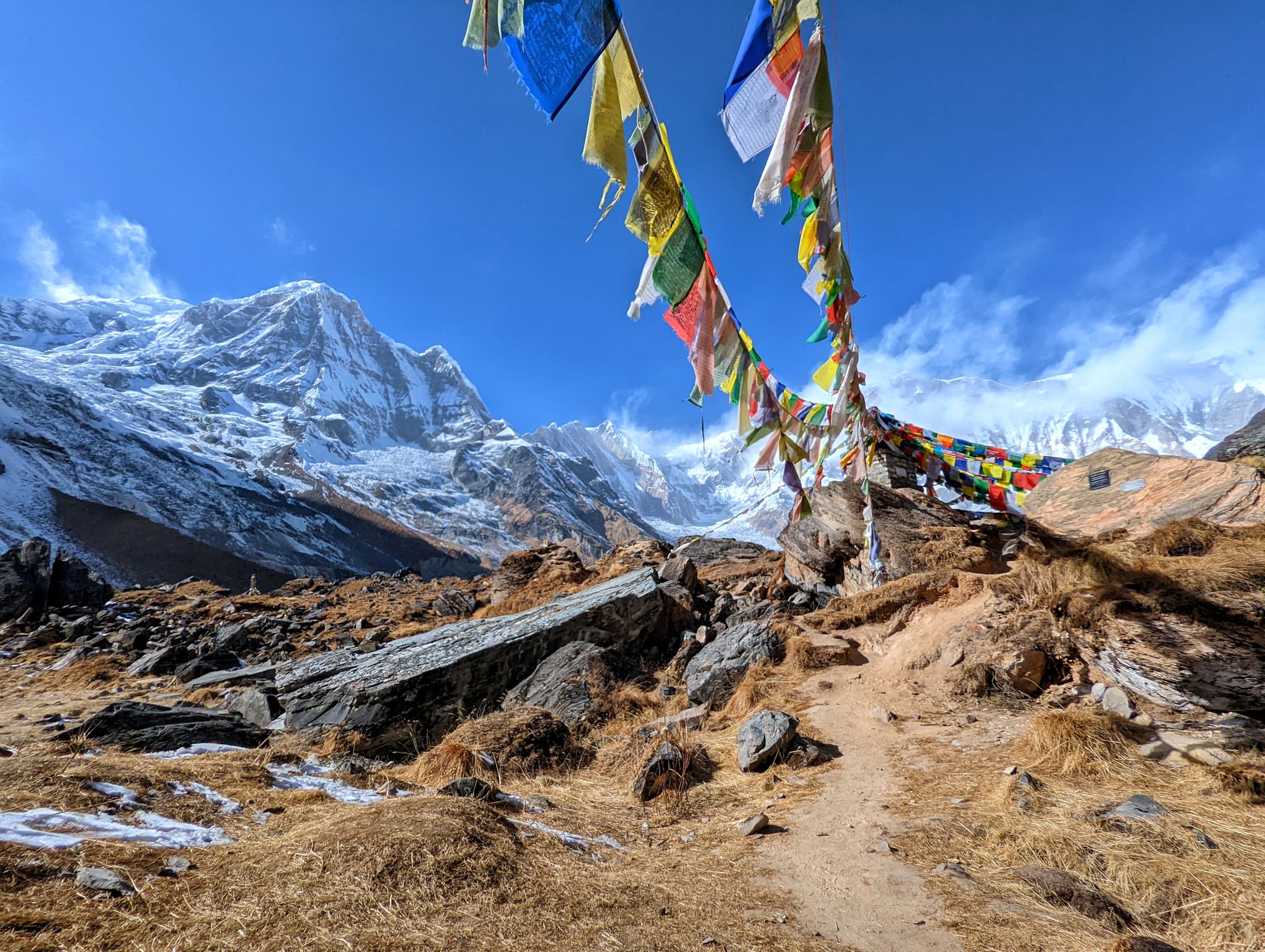
Trek the Annapurna Sanctuary Route
13 nights from£1,010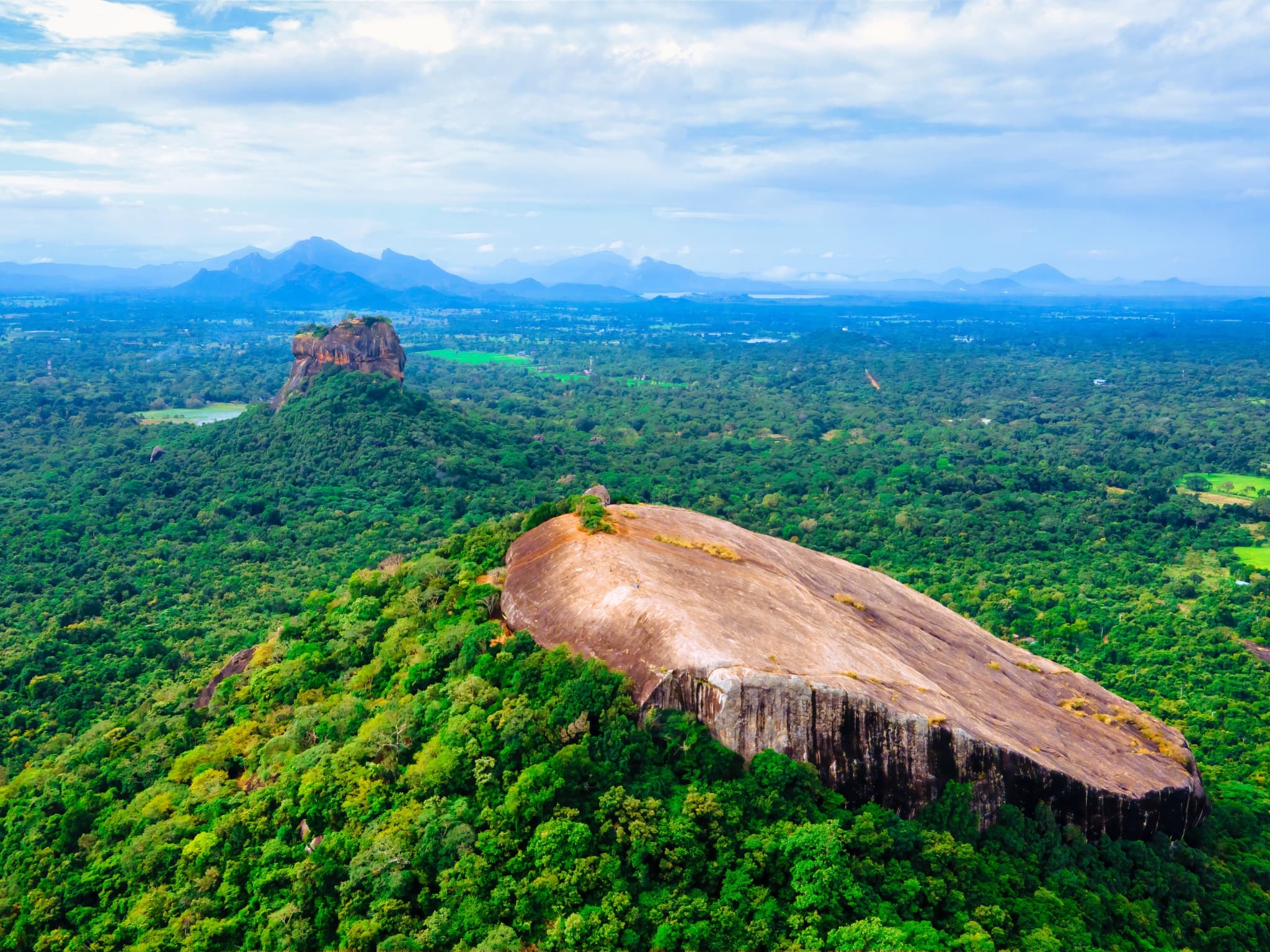
The Ultimate Adventure Through Sri Lanka
10 nights from£2,135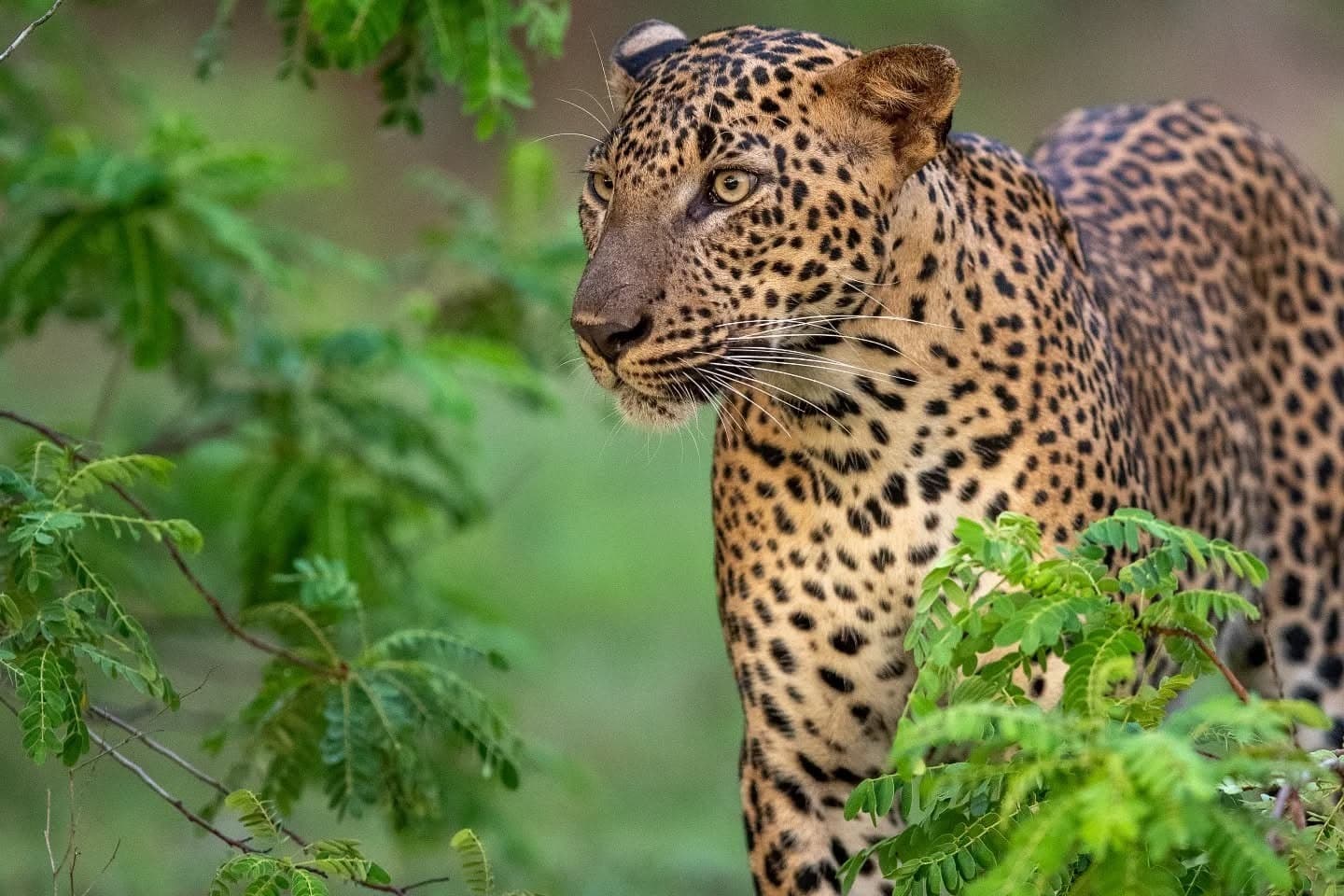
Premium: Hike, Safari and Explore in Sri Lanka
10 nights from£2,870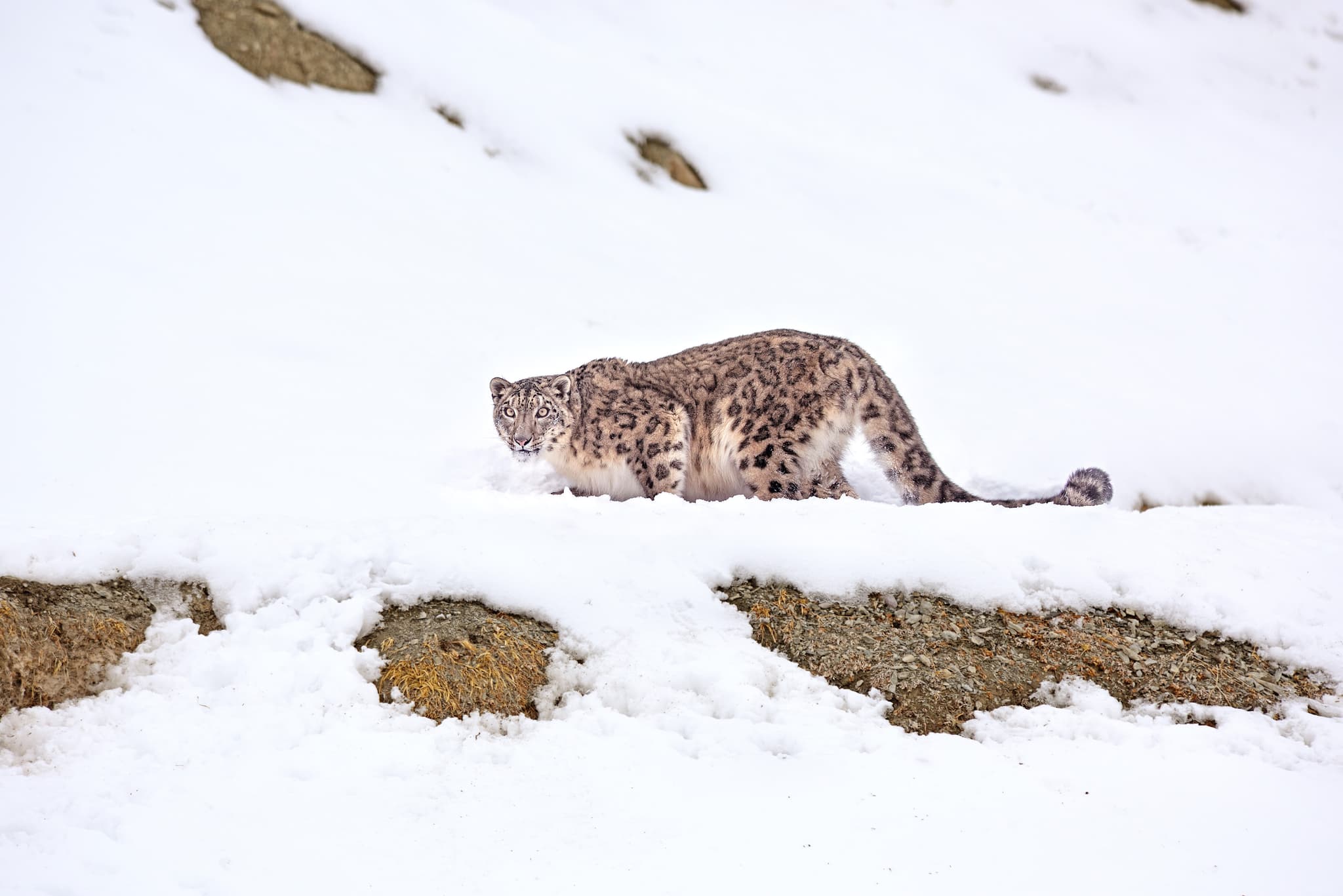
Track Snow Leopards in the Indian Himalayas
10 nights from£2,651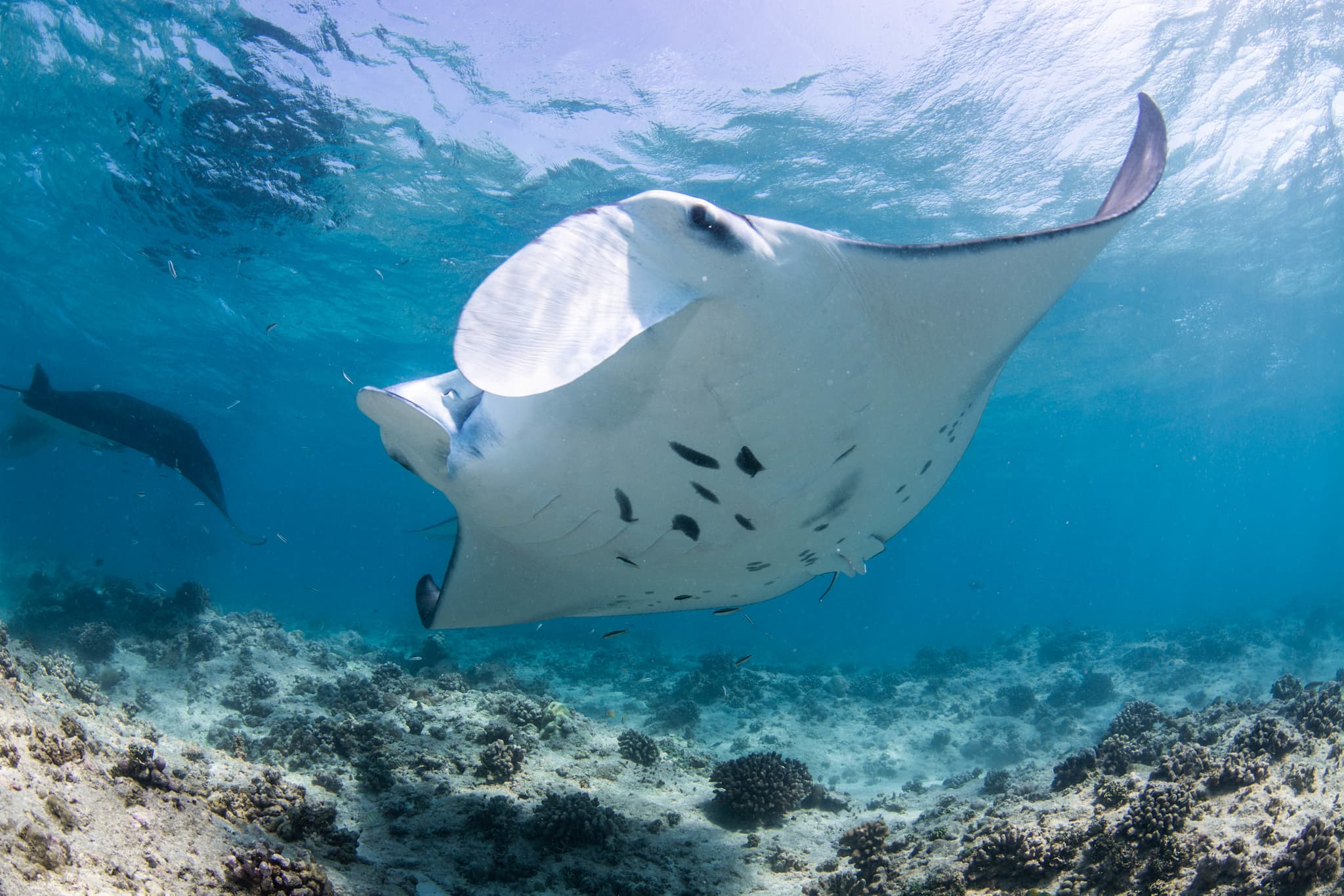
Marine Wildlife Adventure in the Maldives
7 nights from£2,460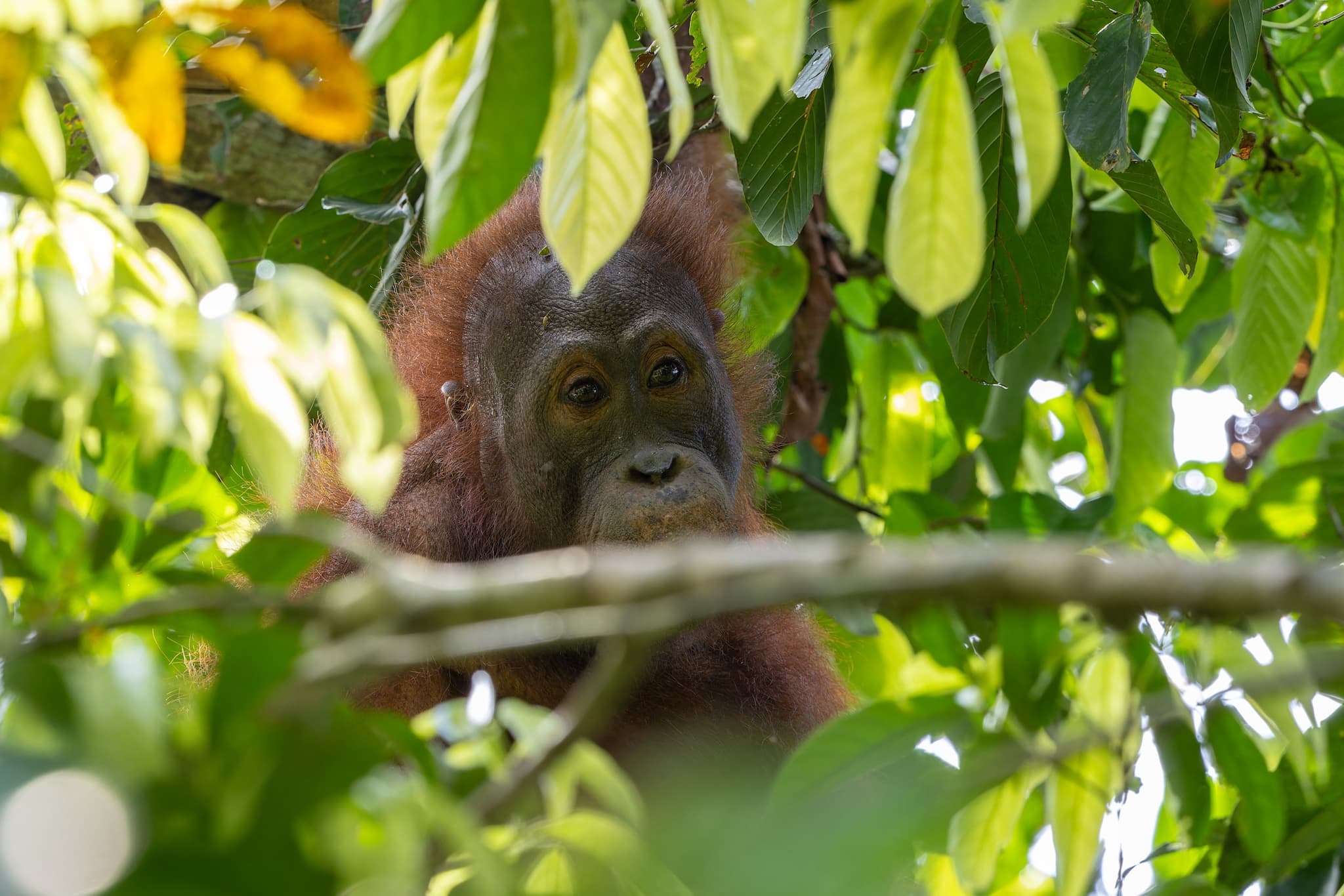
Wildlife Adventure in Borneo
10 nights from£2,226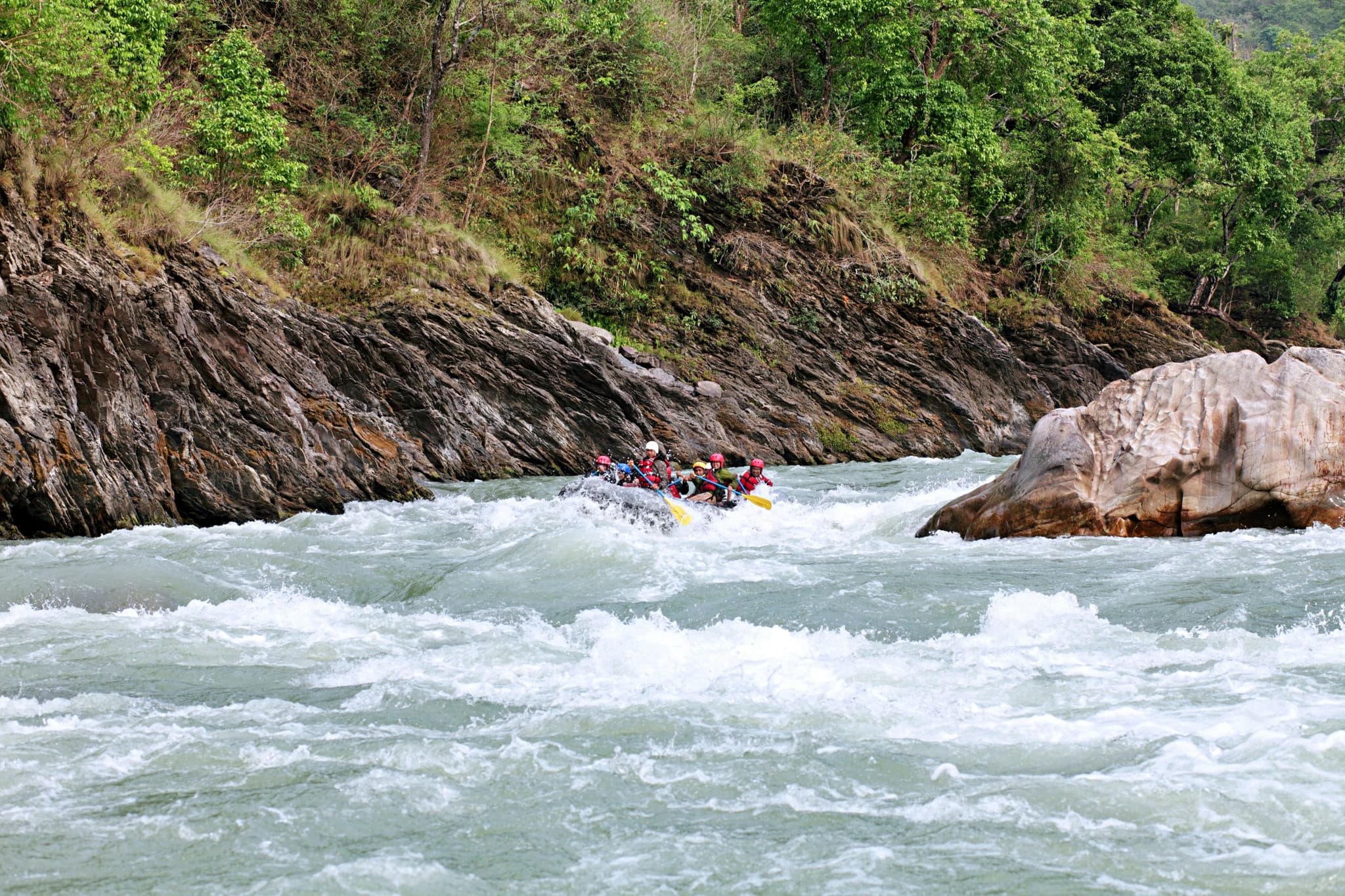
The Ultimate Adventure Through Nepal
9 nights from£1,726
The Ultimate Adventure Through Namibia and Botswana
13 nights from£3,161
Trek the Remote Trails of Madagascar
12 nights from£2,681
Winter Hiking and Wolf Tracking in Italy
3 nights from£773