

4.9
Canoe Expedition in the Yukon Wilderness
- Canada
- 10 nights
A Canadian epic. Paddle and wild camp your way through 350km of spectacular southern Yukon landscapes
What's Included?
- Activities & Certified GuidesAll itinerary activities with expert, local, English-speaking wilderness guides
- Hotel & Wild camping2 nights in a hotel, 8 nights camping
- Meals8 breakfasts, 9 lunches, and 8 dinners
- TransfersAirport transfers and everything in between
- EquipmentAll your canoeing & camping equipment
- Maximum group size: 14Join small n’ sociable groups of like-minded, active and outdoorsy people – designed to be solo-friendly
Fromexcluding flights
Highlights
Paddle calm and fast-flowing waters in the Teslin and Yukon Rivers through an ecosystem packed with history and wildlife
Lookout for bears, moose, caribou and eagles along the shore as you pass through the stunning scenery of the Yukon Valley in a traditional Canadian canoe
Camp out in the wild beneath the midnight sun on the banks of the river and spend evenings taking chilly dips, fishing and telling stories round the campfire
Itinerary
Day 1
Welcome to Whitehorse
HotelTwin shareShow Day 1 detailHide detail
Welcome to Whitehorse! Your host will meet you at the airport and transfer you to your downtown hotel. In the afternoon there will be time to check out the city, have a gear check with your guides and a chance to pick up any last-minute supplies while in town.
Day 2
Take me to the river
Wild campingTwin tentLunch and dinner includedShow Day 2 detailHide detail
Jump in the van and head south along the Alaska Highway to reach the put-in spot at Johnson’s Crossing. Your guide will show you the ropes (opens in new tab) with some paddling techniques before it’s time to hit the river. Your first day is a short paddle to one of many potential camp spots along the river. The river is slow and gentle in this area, making it a safe and comfortable place to learn.
Day 3
Into the wild
Wild campingTwin tentAll meals includedShow Day 3 detailHide detail
Get stuck into the expedition with your first full day on the river, winding through a mix of gentle currents and some faster sections and riffles – these are all less than Class 2 and your guide will show you how to navigate them safely. The Teslin River is part of the homeland of the Teslin Tlingit First Nation, for whom the river is still an important source of fish and moose.
Day 4
Eyes peeled for wildlife on the banks
Wild campingTwin tentAll meals includedShow Day 4 detailHide detail
Tuck into breakfast on the banks of the river and pack down camp before putting in again. Getting deeper into the river ecosystem, keep scanning the banks as you paddle further down the Teslin for sightings of the many bears, moose, caribou and eagles that call this area of the Yukon home.
Day 5
Life on the river
Wild campingTwin tentAll meals includedShow Day 5 detailHide detail
You'll be settled into the rhythm of life on the river by now, enjoying the rituals and roles that come with a wilderness camping expedition. Tuck into lunchtime picnics in amazing scenery while stretching the legs in between paddling stints. Each evening you'll enjoy a quintessential wilderness campfire dinner before bedding down in your tent to the gentle sounds of the river and the forest.
Day 6
Reaching the Yukon River
Wild campingTwin tentAll meals includedShow Day 6 detailHide detail
Today the Teslin flows into the Yukon River at the abandoned trading post at Hootalinqua. For the rest of the adventure you'll be paddling on the Yukon’s most famous river. History is tangible as you pass relics of paddle-wheelers, trapper’s cabins, mines, and trading posts, now overgrown and returned to a state the first newcomers to the territory might have recognised.
Day 7
Further along the Yukon
Wild campingTwin tentAll meals includedShow Day 7 detailHide detail
The Yukon River travels more than 3000km from its source lakes south of Whitehorse, all the way to the Bering Sea in north-west Alaska. Paddle long a remote section of the river today on the lookout for a good camp spot.
Day 8
One week in
Wild campingTwin tentAll meals includedShow Day 8 detailHide detail
Continue along the remote section of the Yukon River, soaking up the feeling of being disconnected from the outside world for nearly a week already. Throughout the expedition your guides will be on the lookout for viewpoints or epic sunset spots, to give you a fresh perspective of the Yukon off the water. On trips later in the summer you can look for wild berries to pick to add to that night's dessert or tomorrow's breakfast.
Day 9
The final stretch
Wild campingTwin tentAll meals includedShow Day 9 detailHide detail
Your last full day and night on the river today as you soak up the wilderness you've been calling home for a week now. A lot of wildlife is commonly spotted on the banks around here, including black bears and moose, so keep your senses alert. Tonight will be a celebration with one final night out camping in the wild beneath skies that don't ever get dark this far north in summer.
Day 10
The paddling ends
HotelTwin shareBreakfast and lunch includedShow Day 10 detailHide detail
One last push today as you paddle the final part of your journey. After a week on the river, with very few signs of civilisation, you'll arrive at the small native village of Carmacks, where you'll unload the canoes and hop in the waiting van for the two-hour drive back to Whitehorse. Warm showers are the order of the day before a night on the town to celebrate the completion of an epic adventure.
Day 11
Farewell Yukon!
Show Day 11 detailHide detail
Your Canadian wilderness odyssey comes to an end today as your host drops you off at Whitehorse Airport in time for your onward flight.
Practical Stuff
Getting There
- Nearest airport
- Whitehorse / Erik Nielsen International Airport (YXY)
- Pick up
- Whitehorse Airport, Canada
Anytime on Day 1 - Drop off
- Whitehorse Airport, Canada
Anytime on Day 11
This Trip is Graded Level 3
- Level 3
Moderate
For active people who want to explore more wild and adventurous places
Wildlife Factors To Consider + 1 other factor - How much activity is involved?
Multiple days of steady activity, four to five hours long
You don't need any prior canoeing experience, the expedition is easy-paced and your guides will provide full instruction on how to get through the trip safely and stay as dry...
- Right level, wrong trip?
Browse all our Moderate trips
Your next adventure is out there

 Not sure which level is right?
There's a level for everyone – find your match
What is and isn't Included?
What's included
- Guided 9-day canoeing expedition on the Teslin and Yukon Rivers, from Johnson's Crossing to Carmacks
- Expert, local, English-speaking wilderness guides
- 2 nights in a hotel in Whitehorse
- 8 nights camping in the Yukon wilderness
- 8 nutritious breakfasts
- 9 picnic lunches
- 8 campfire dinners
- Arrival transfers from Whitehorse Airport any time on Day 1
- Departure transfers to Whitehorse Airport any time on Day 11
- Transfers during the trip
- All canoeing equipment
- All camping equipment
What's not included
Our trips do not include flights, trains or other travel to the start point and back from the end point.
Tips are not included in the trip cost. These are entirely at your discretion but there is an expectation in North America to tip for good service.
Your host will help with advice, however we suggest a minimun of $10CAD/$7USD/£6 per person, per day as a guideline.
Of course, you are free to tip more or less, and the amount should be reflective of your perception of service and quality.
You know your own spending habits best, so please budget an appropriate amount for things like optional meals and drinks, shopping, optional activities, and laundry.
Travel insurance is compulsory for all of our adventures and you are required to provide your policy information before departing. Your insurance should include adequate protection for overseas medical treatment, evacuation/repatriation, your baggage and equipment and the specific activities involved on your adventure. We also strongly recommend it includes cancellation and curtailment insurance, should you be unable to join your trip for specific reasons such as illness. Our recommended travel insurance provider is Campbell Irvine (opens in new tab), as their insurance offers all of the above.
Visa requirements often change, and you are responsible for obtaining any required visas for this trip. Please check with your nearest embassy or consulate for up-to-date advice.
Where You'll Stay
Looking for a private room? See Optional Extras for details and pricing.
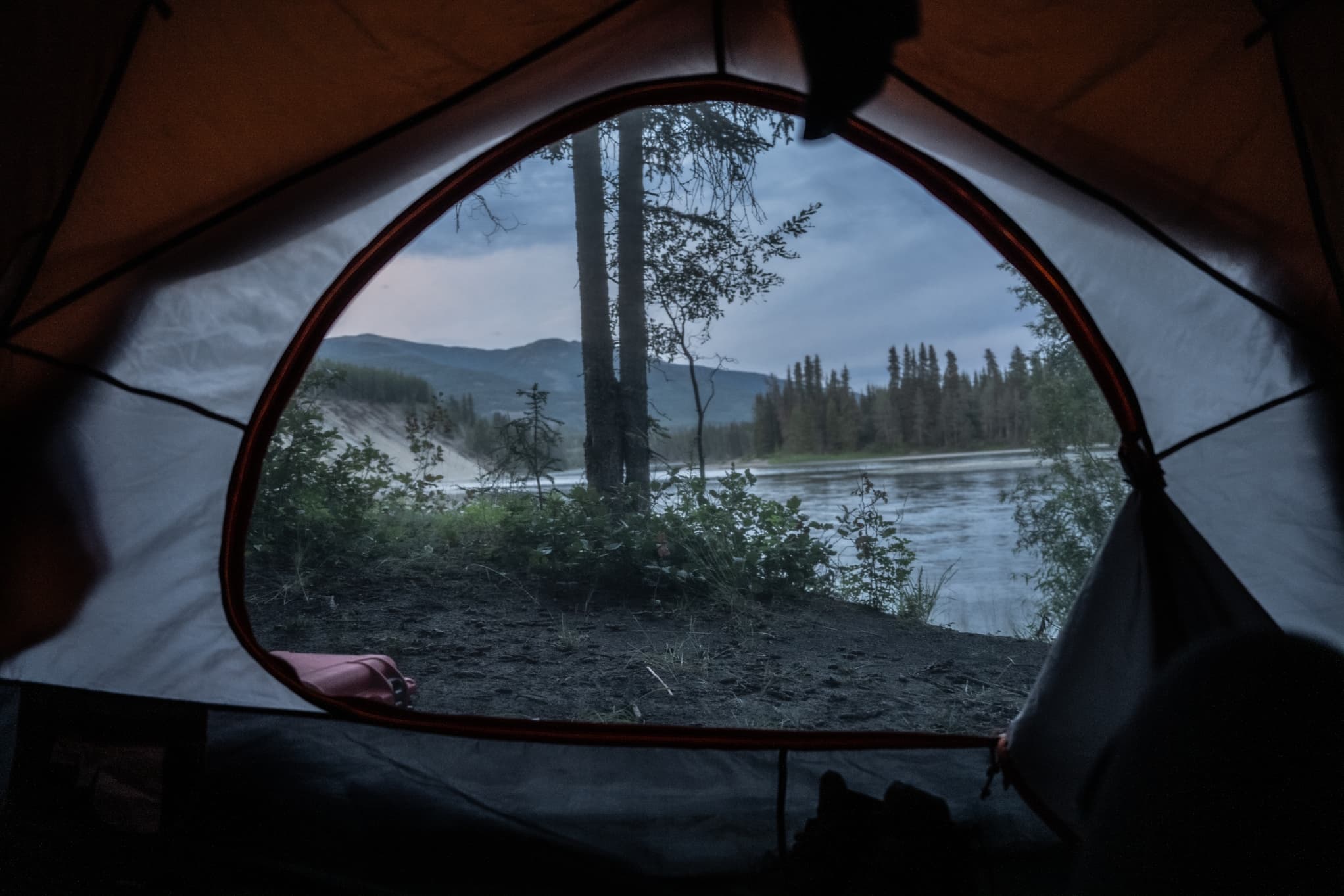
Wilderness camping
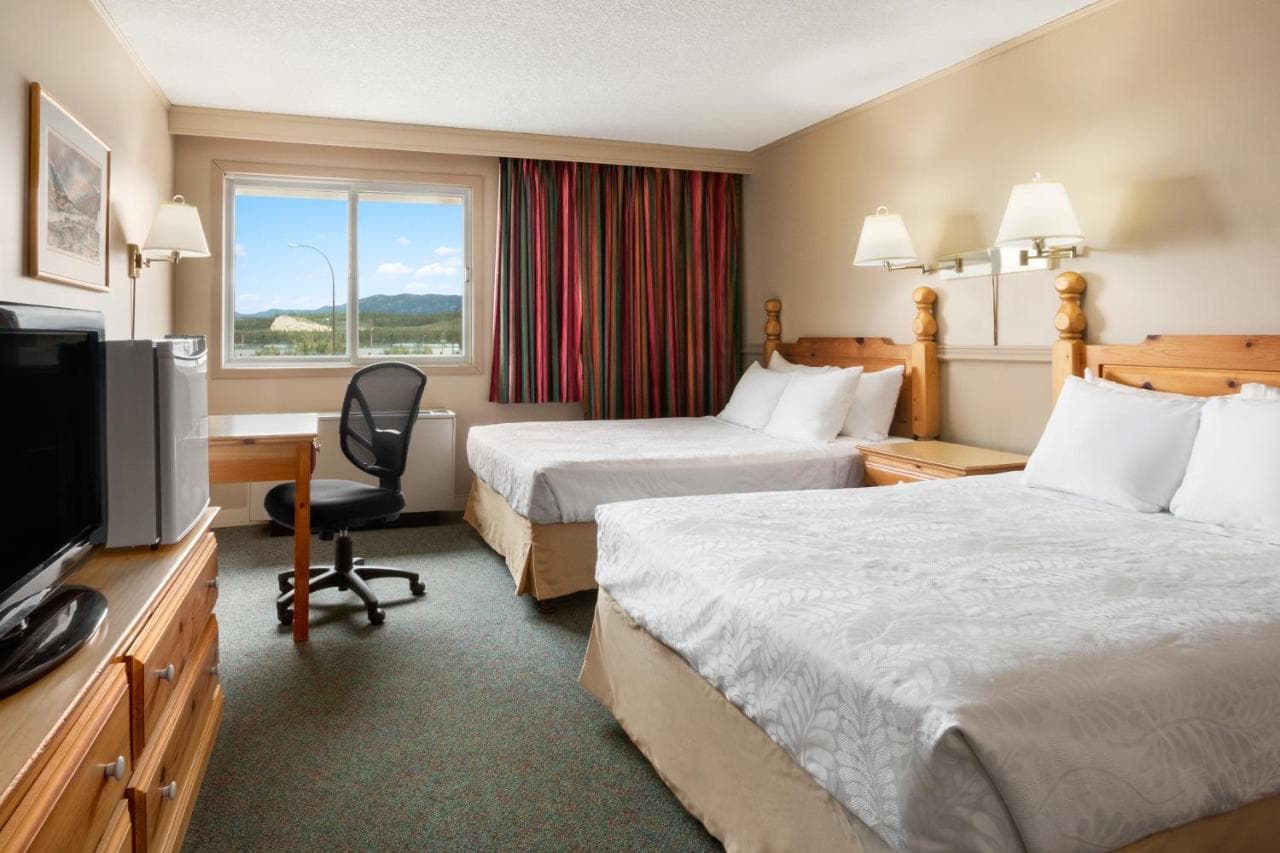
Whitehorse
What You'll Eat
Despite the remote wilderness locations, you can expect to eat very well on this trip. Your host takes special care in preparing nutritious and delicious meals on their expeditions - just because you are in the wilderness, does not mean you have to e…
Optional Extras
Pre/Post Trip Accommodation
- Pre trip accommodation in Whitehorse (single, twin or double) from
- £110/per night
Upgrades
- Optional Private Room & Tent Upgrade
- £214/per person
For solo travellers looking for their own space, an optional private room and tent can be booked for an extra charge, see Optional Extras for the price. Please request this at the time of booking (this is subject to availability).
Transfers
- Private airport transfer - each way
- £12
To request any extras, message your host via your Much Better Adventures account once you have booked your trip.
All extras must be paid before your trip starts.
Ratings & Reviews
4.945 reviews
- 2 stars (0)
- 1 star (0)
Category rating
- Food
- 5.0
- Guides & crew
- 5.0
- Accommodation
- 5.0
- Itinerary
- 5.0
Latest Reviews
Customer Photos
Before You Travel
What to Pack
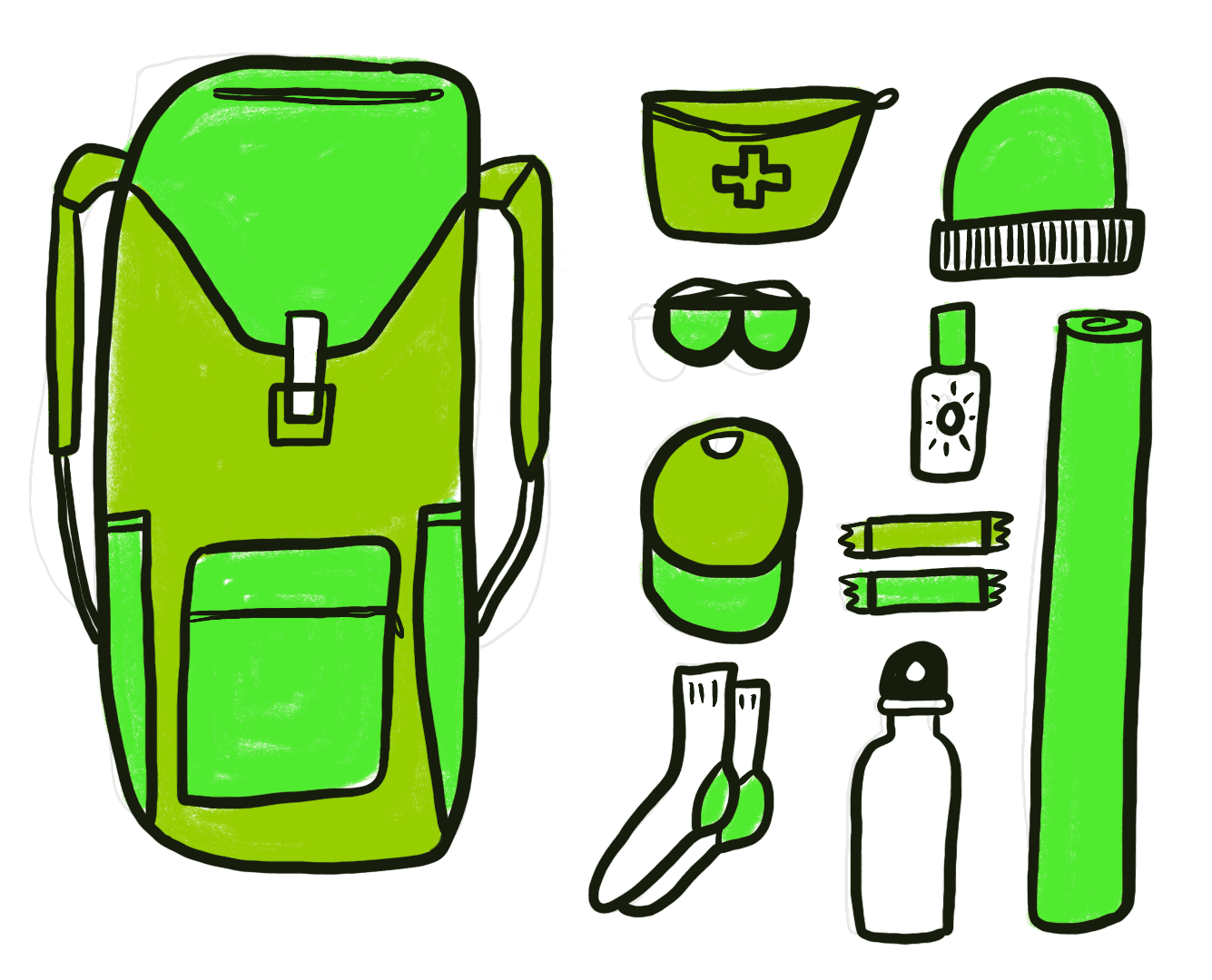
Know before you go! Some stuff we'll provide, other things you'll need to bring.
FAQs
What type of footwear do you need for a canoe expedition?
Great question! A standard pair of knee-high rubber boots - knowns as 'wellingtons', 'ditch boots', or 'irrigation boots' depending on where you are in the world - are recommended (minimum 10” high). Wear these with a felt insole and a combination of polypropylene and wool socks and your feet should stay comfortably warm. Carry a spare set of insoles and socks, and in the case you ‘overstep’ your boots, they can be used to replace the wet ones.
We also suggest you buy a snug fitting pair of neoprene booties available at canoe or scuba diving supply shops. Most have integral soles. If you get a pair without soles you can wear them inside any general trainer or sport shoe. The height should be mid-calf, not ankle height. Don’t be fooled by the ‘surfing shoes’ made of quick-drying material rather than neoprene. They do not provide the necessary warmth. Tip: if you use neoprene booties, drip a teaspoon of hot water in each one in the morning. Shake and test with your finger. Then put them on and luxuriate in the warmth!
‘Sport’ sandals have become popular in recent years, however remember that the water in Yukon is cold and the sand is abrasive, especially after a few days of wearing sandals. For the general downtime at camp, bring light walking shoes or trainers, something that's comfortable with a bit of protection.
Can I fish on the trip?
Yes you can, with a licence. Popping a line into the Yukon to have a go at catching some Arctic Grayling, Northern Pike or even Trout to cook over the campfire is a fun addition to the expedition if you're that way inclined - this is a totally optional element each evening while enjoying downtime at camp. Fishing licenses can be purchased online or in person upon arrival with an authorised dealer in Whitehorse for a very reasonable $36.41 CAD/$26 USD/£22. You can find all the details on the Yukon website (opens in new tab)
What type of canoe is used?
The canoe has a strong connection to Canadian culture and is deeply embedded in the way of life for the Indigenous Peoples of Canada in the wilderness regions. The first newcomers to the Yukon; early explorers, gold prospectors, trappers, miners and traders would all have relied heavily on the canoe as the most versatile and reliable mode of transport. The type of canoe you'll be using is commonly known as a 'Canadian' - a descendant of the original birch bark canoes used by indigenous peoples of North America. The Canadian is a lightweight, mostly open-top canoe with plenty of space for baggage as well as two passengers (you'll be in twin canoes). Your personal gear is kept in large drybags supplied by your host which are then secured to the inside of the canoe. Paddles used are traditional style with a mix of wood and laminate.
What do I do about drinking water?
Your guides will filter water from the river and nearby springs - you don't need to bring any water treatment with you. Please just bring along a water bottle or bladder to carry your own water on the canoe and at camp. If you do want to bring your own water filter, this is fine and we suggest you read our guide on the best water filters for adventures (opens in new tab)
Can I leave my excess luggage somewhere?
You are able to leave excess luggage at the hotel in Whitehorse to be collected when you return on Day 10.
Remote Environment: What factors should I consider?
This trip visits locations which can be considered to be remote, where the travel time to the nearest medical facility is likely to be above 12 hours, even with outside assistance. Outside communications in some locations may be limited. An evacuation may require a change of route from the originally planned one and the use of a support vehicle, either privately owned or public transport by land, air or water, to reach a point of medical care. Additional consideration should be given by and to those with pre-existing medical conditions with specific care needs and should be raised with your host before the trip. Those with pre-existing medical conditions should also seek guidance from a health professional prior to travelling. Should you experience health issues during your trip you should inform your guide immediately so the proper care can be provided. All travellers should have suitable and adequate travel insurance in place to provide cover for potential additional costs.
How can I help protect the local wildlife while I'm camping?
During this trip, you'll be camping in locations where there can be wildlife present in their natural habitat. Both smaller animals (i.e. birds and rodents) and larger ones (such as bears, deer, moose and elk) are primarily attracted to food, not humans. To protect the local wildlife, you need to ensure your food is kept out of their reach. When camping, the key is to be vigilant about not leaving any food or scented items (like toothpaste and other toiletries) in tents or exposed at the campsite. Your guides will typically designate a safe place to store these items overnight away from the tents, which campers can access if needed. Occasionally a larger animal may pass through or near to your campsite, especially in areas that overlap with their natural travel routes. In these cases, just like when encountering wildlife on the trail, it's important to maintain a safe distance, respect the animal's space, and calmly make your presence known if necessary. Your guides will provide more details and directives once at camp so everyone can follow best practices camping and do their bit to help keep wild animals wild.
Wildlife encounters: what factors should I consider?
This trip takes place in environments where wild animals are present in their natural environment, where protections and controls on their movement may be limited or non-existent. Some species may be dangerous, venomous, or unpredictable. Sightings are a privilege – but safety is key. Always follow your guide’s instructions and any posted signage.
We recommend considering your comfort around wildlife and discussing any concerns with your host before travel, particularly if you have allergies, phobias, or related health conditions.
Can I book on my own?
Sure can! Over 70% of our travellers travel solo, it’s a great way to meet like-minded people.
Who is running the trip?
Our team of Adventure Hunters co-create exclusive adventures which are run by highly vetted, specialist hosts. The trip is run by our trusted host partner in the destination. We only work with independent, local, in-destination experts who know the very best places to explore and how to stay safe. Read more information about the local teams we partner with (opens in new tab). You’ll be introduced to the host straight after making a booking via the Much Better Adventures platform.
What is the official travel advice?
Much Better Adventures refer to the UK Government’s official travel advice when designing trips and monitoring trip operations. We recommend that all customers are familiar with the practical information provided on the Government’s FCDO website (opens in new tab), where current travel advice can be found by searching for the applicable destination(s).
For customers joining this trip from other international destinations – please also read the official travel advice applicable to your country of residence/origin, as this may differ.
What vaccinations do I need?
We recommend checking out the country-specific information (opens in new tab) and also talking to a travel nurse.
How are the trips priced?
We automatically convert prices from the local currency that a host receives to your chosen currency. We update our exchange rates on a daily basis so this does mean that prices displayed on the site are subject to currency fluctuations, which is why you may see them change over time.
If you wish to change the currency you pay in, head to the bottom of the page.
Why are your adventures only for adults?
All of our group adventures are specially designed for adults to enjoy as we want these adventures to bring together outdoorsy people who are truly like-minded. You must be over 18 to join one of our trips.
Who else will be on my trip?
You're always in good company on one of our adventures.
Our trips are typically made up of a mixture of solo travellers and small groups of 2 or 3 friends, with most in their 30s-50s.
Our sociable adventures are solo-friendly by design and naturally attract outdoorsy people with a shared mindset; a love for adventure, a desire to push themselves and meet awesome, like-minded people along the way.
It’s this camaraderie that has so often turned a great adventure into a life-changing one.
Don't just take our word for it:
- 95% of people rate the group dynamics on our trips 5/5
- 90% of people recommend joining a trip to make new friends
- 75% of people have met people on our trips that they would now consider friends
See here (opens in new tab) for more info about the Much Better Adventures tribe.
What's the weather like?
Temperature-wise, Yukon summers are pleasant and similar to many parts of northern Europe. Average temperatures from June to August will see highs of 16°c / 64°f and lows of 8°c / 46°f. The river environment you are paddling through is cold - you're close to the Arctic Circle up here - so the water will make things feel chilly at times. Evenings at camp will be a little colder, but not terrifyingly so, and you'll be well equipped for warm nights out camping. As with many remote wilderness areas, the weather can come in and change things very quickly. Heavy rainfall can happen in this area so you need to be prepared for the possibility of wet conditions on an expedition of this type. It's essential that you bring genuine, 100% waterproof jackets and trousers for this eventuality. Your host recommends that you re-treat the outside of your waterproofs with a new waterproof coating (DWR) before the expedition.
What's the carbon footprint for this trip?
We partner with the World Land Trust to ensure this trip achieves Net-Zero emissions. We also support their Buy an Acre programme, helping local communities to buy and protect natural habitats in perpetuity.
What's the number?
It works out on average at 135kg of CO2 emissions per person, including all local transport, accommodation, food, activities, guides, staff and office operations.
The only thing it doesn’t include right now is flights and travel to the destination. We do make an overall estimate across all our customers separately, but as we don’t book flights, have customers from all corners of the world, and no way of reliably knowing their travel plans, we simply can’t include an individual number in the figure on display here. We’ve got a goal to fix that, so that when you book, there is a way to measure and mitigate the carbon emitted by your flight too.
But what does the number mean?
Yep, hard to picture eh? To give you an idea:
- Driving 1000 miles/1609km would be approximately 281kg of CO2 in an average car (or 140.5kg per person, if there were two of you in it).
- A return economy class flight between London and New York would be approximately 1619kg (1.66 tonnes) per person.
- 10 trees in a temperate forest are estimated to remove approximately 250kg of CO2 from the air in a period of 5-10 years.
What are we doing about it?
Our trips are relatively low-carbon by design, and we're working with all our hosts to develop long term carbon reduction plans. We partner with the World Land Trust (opens in new tab) to ensure this trip achieves Net-Zero emissions. We also support their Buy an Acre (opens in new tab) programme, helping local communities to buy and protect natural habitats in perpetuity, ensuring the protection of the reserve and its wildlife.
Want to know more?
Amazingly, no international travel company has ever publicly published their carbon measurements before, as far as we know. We believe that must change, quickly. So we’re openly sharing the method we used in the hope that other companies will be able to more easily follow suit and build on what we've done so far. You'll find it all here (opens in new tab).
Want to Know More?
Ask our AI Assistant
Get instant answers about this adventure
Departure dates
Secure your spot
10% deposit to book (limited exceptions)
Pay in instalments, no interest or fees
Going solo?
Log in to see how many others are booking solo too

Don’t see a date you like?
Get an email alert when new dates are added for this trip
Subscribe to alertsWe've Got Your Back
Book with confidence and peace of mind.
Go private and split the bill with ease.
Forget complex logistics, we've taken care of all the details to ensure a hassle-free get together. All of the adventure, none of the faff.

Feeling adventurous? Here's £100 towards it.
Sign up to our newsletter and we'll email you a £100 code for your first trip. You'll also get weekly trip inspiration, expert advice and last minute deals.
Still Undecided? 🇬🇧 🇺🇸
A few other trips to tickle your fancy 🇬🇧 🇺🇸
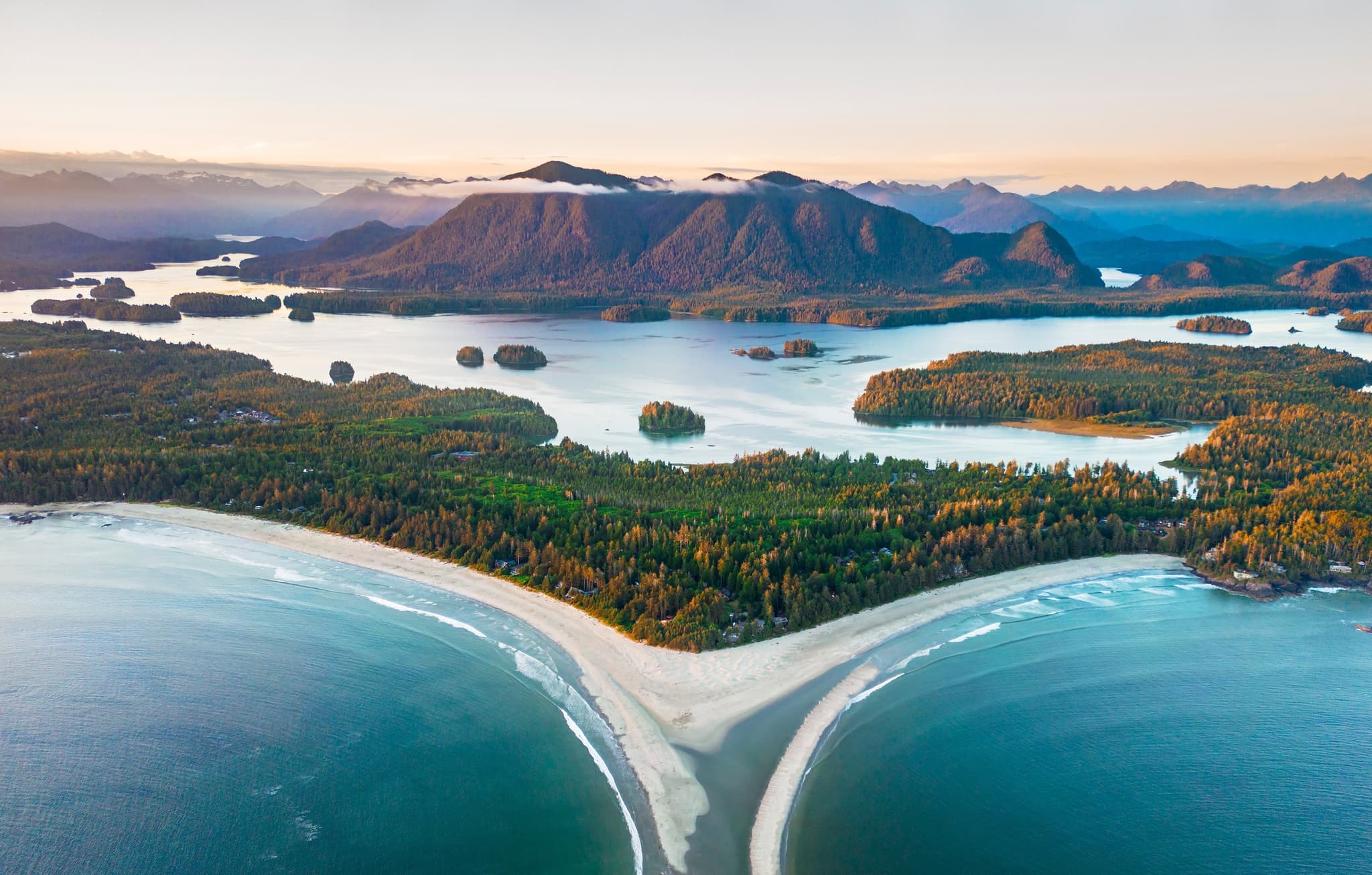
The Ultimate Adventure in British Columbia and Vancouver Island
9 nights from£2,966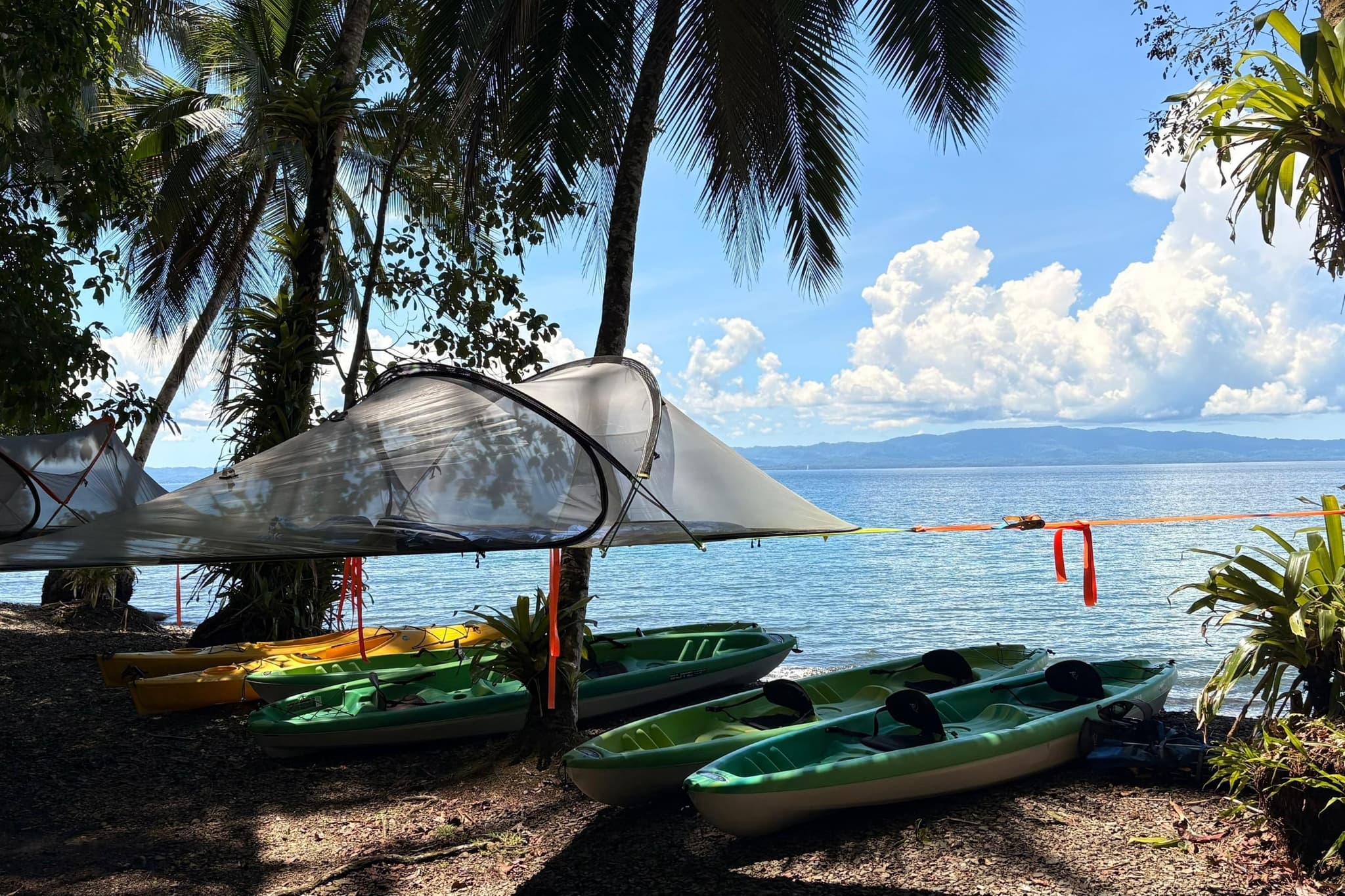
Kayak, Hike and Tree Camp the Hidden Rainforests of Costa Rica
6 nights from£1,822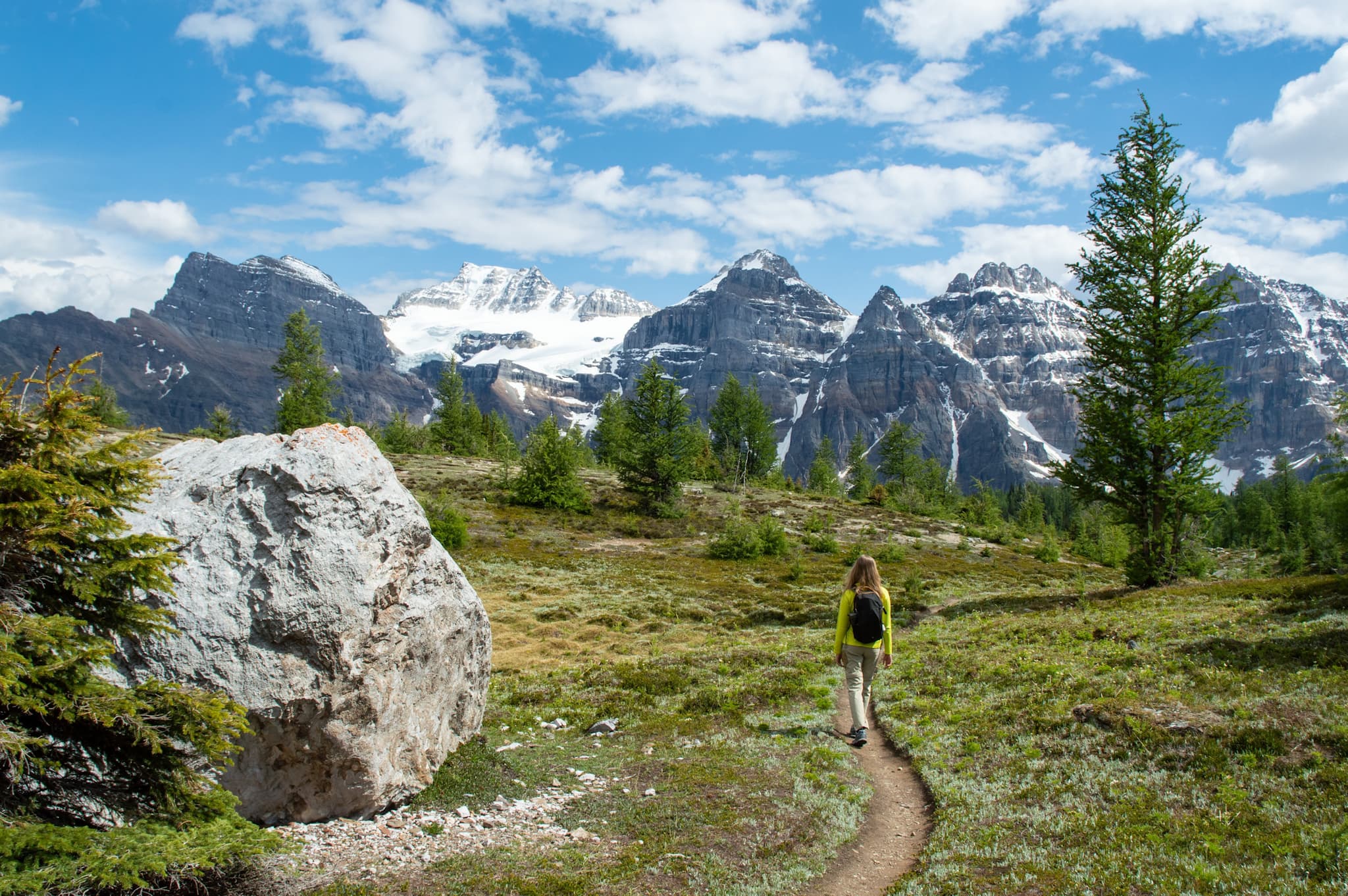
Hiking in the Canadian Rockies: The Hotels Edition
7 nights from£3,273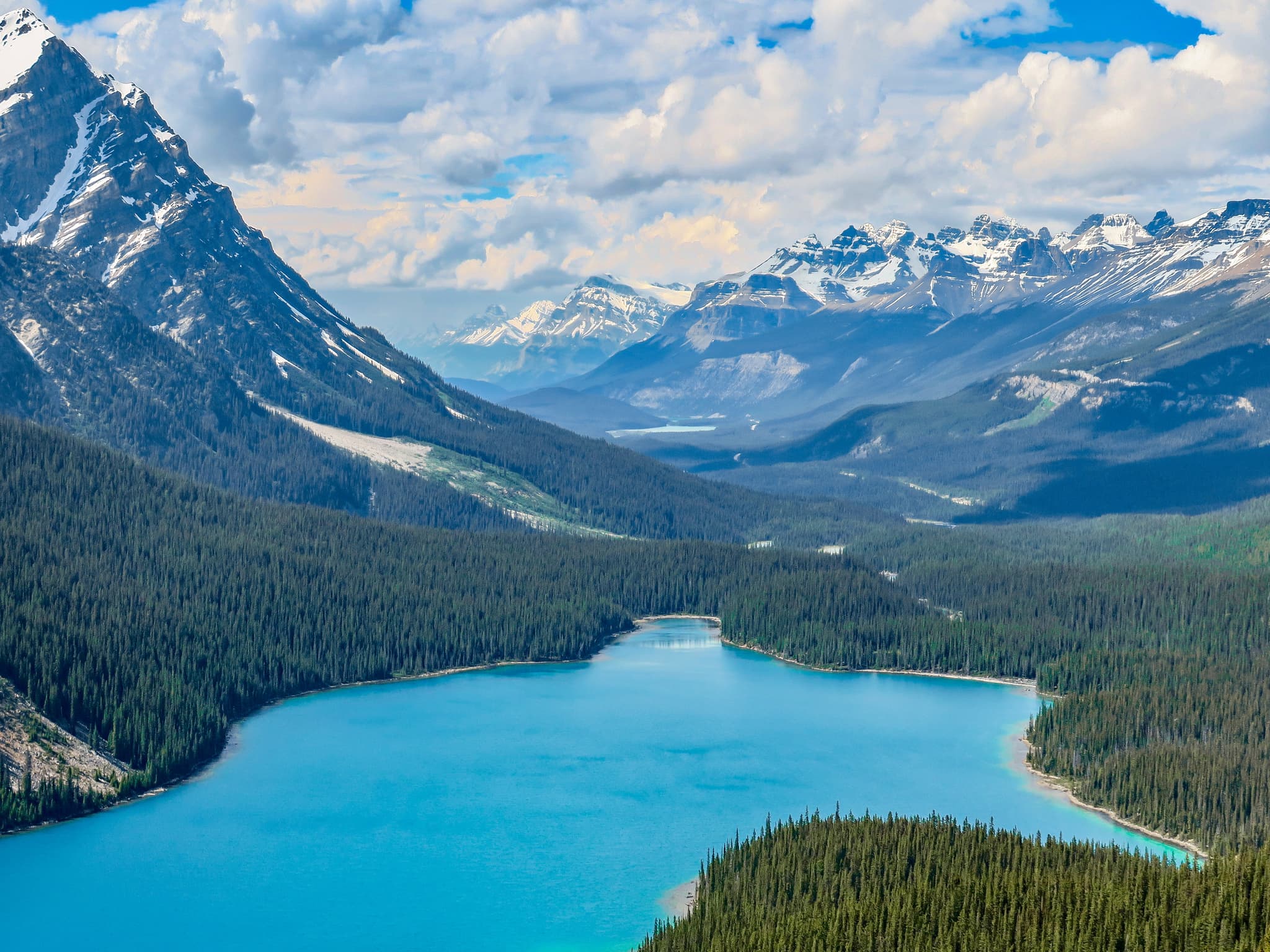
Hiking in the Canadian Rockies
9 nights from£1,894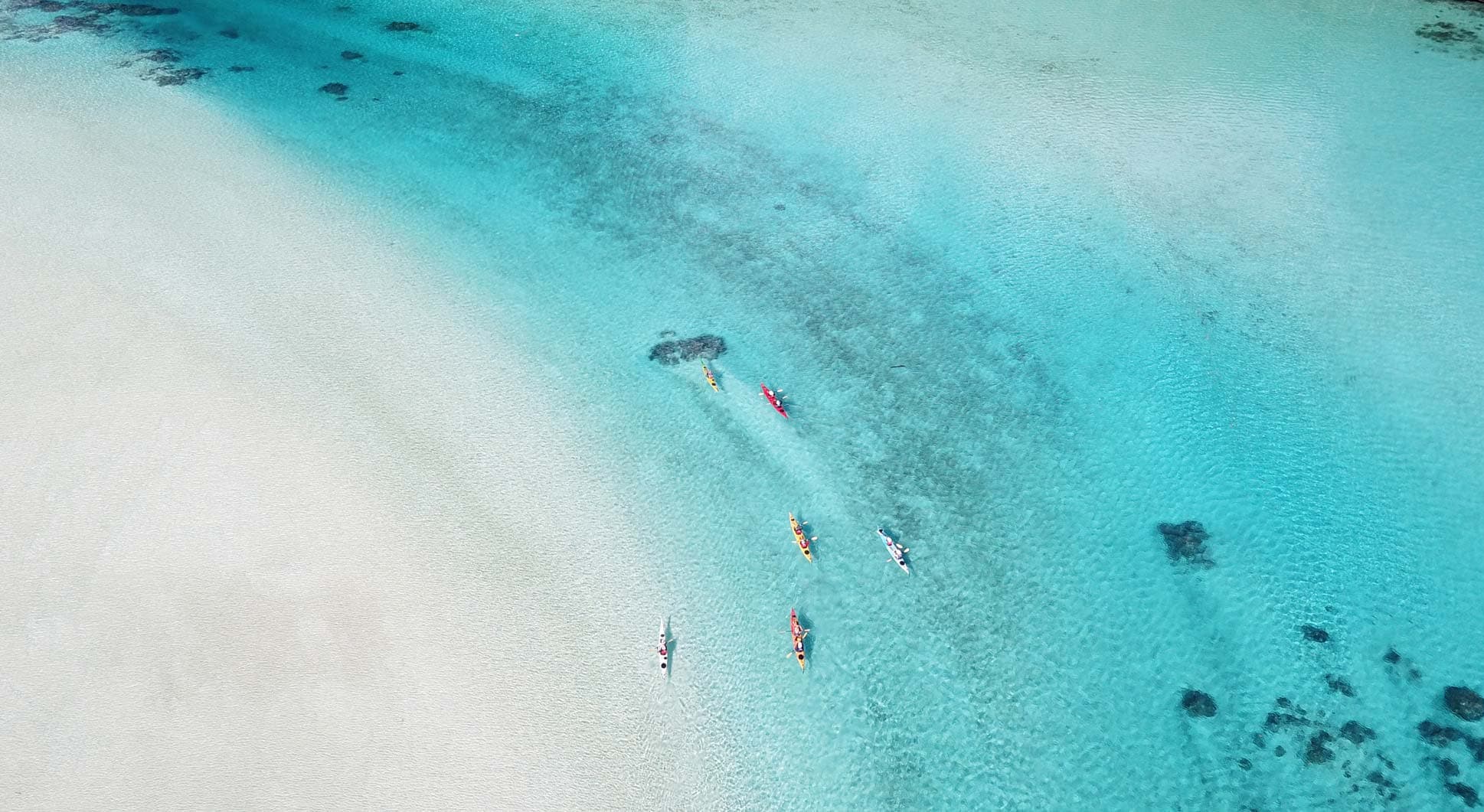
The Ultimate Island Hopping Adventure in the Komodo Archipelago
10 nights from£2,171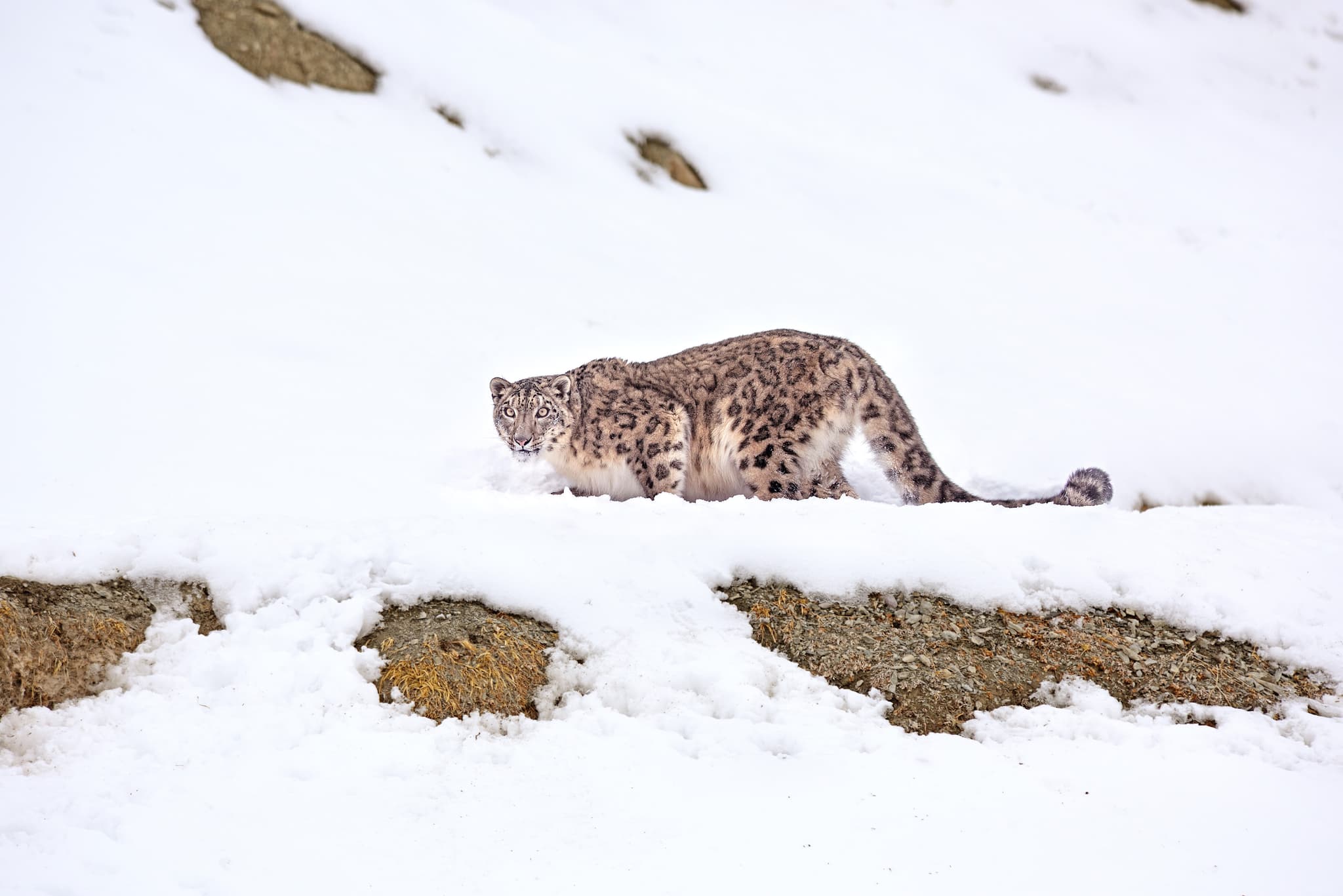
Track Snow Leopards in the Indian Himalayas
10 nights from£2,651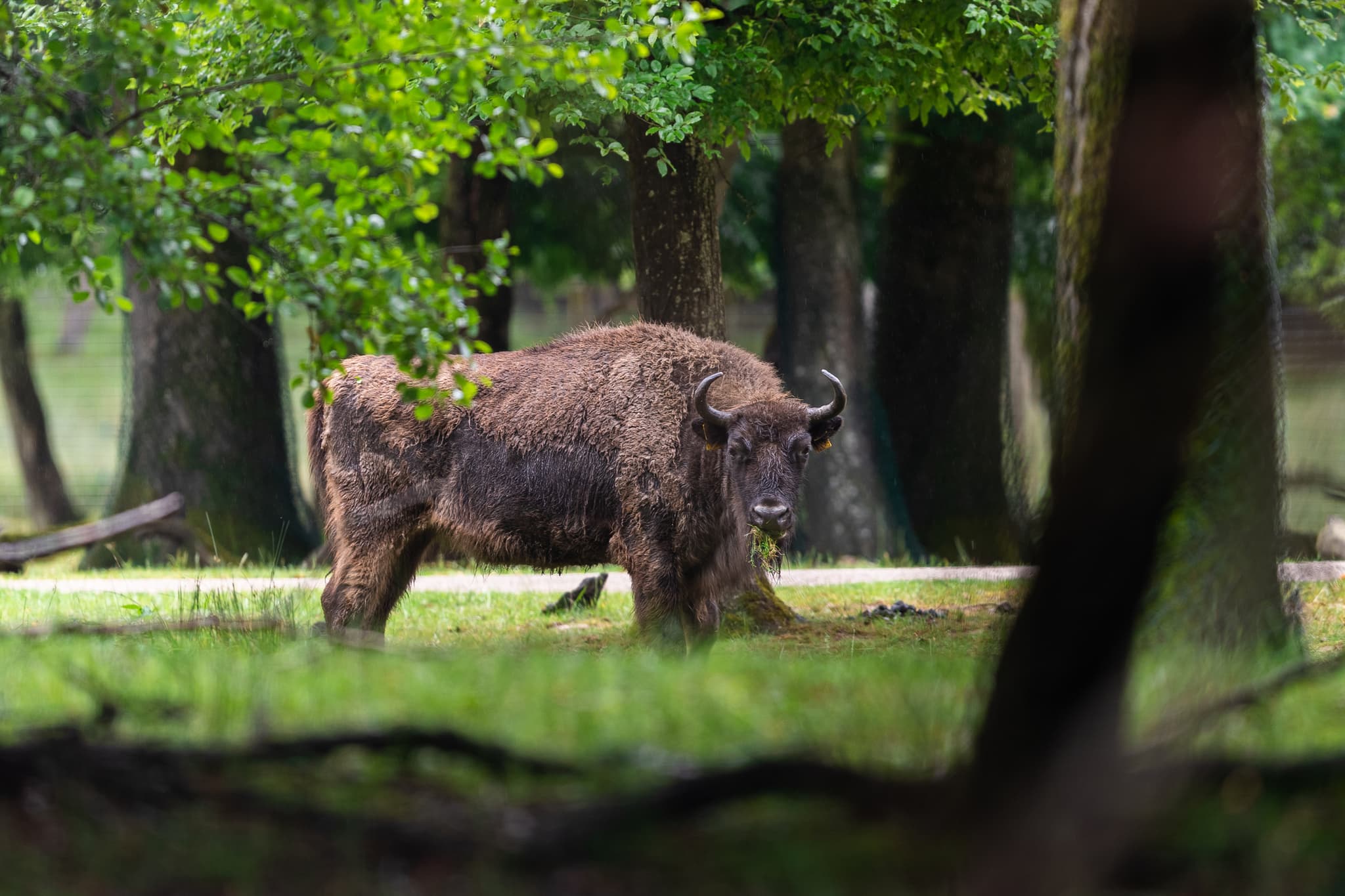
Wildlife Tracking in Romania
4 nights from£1,019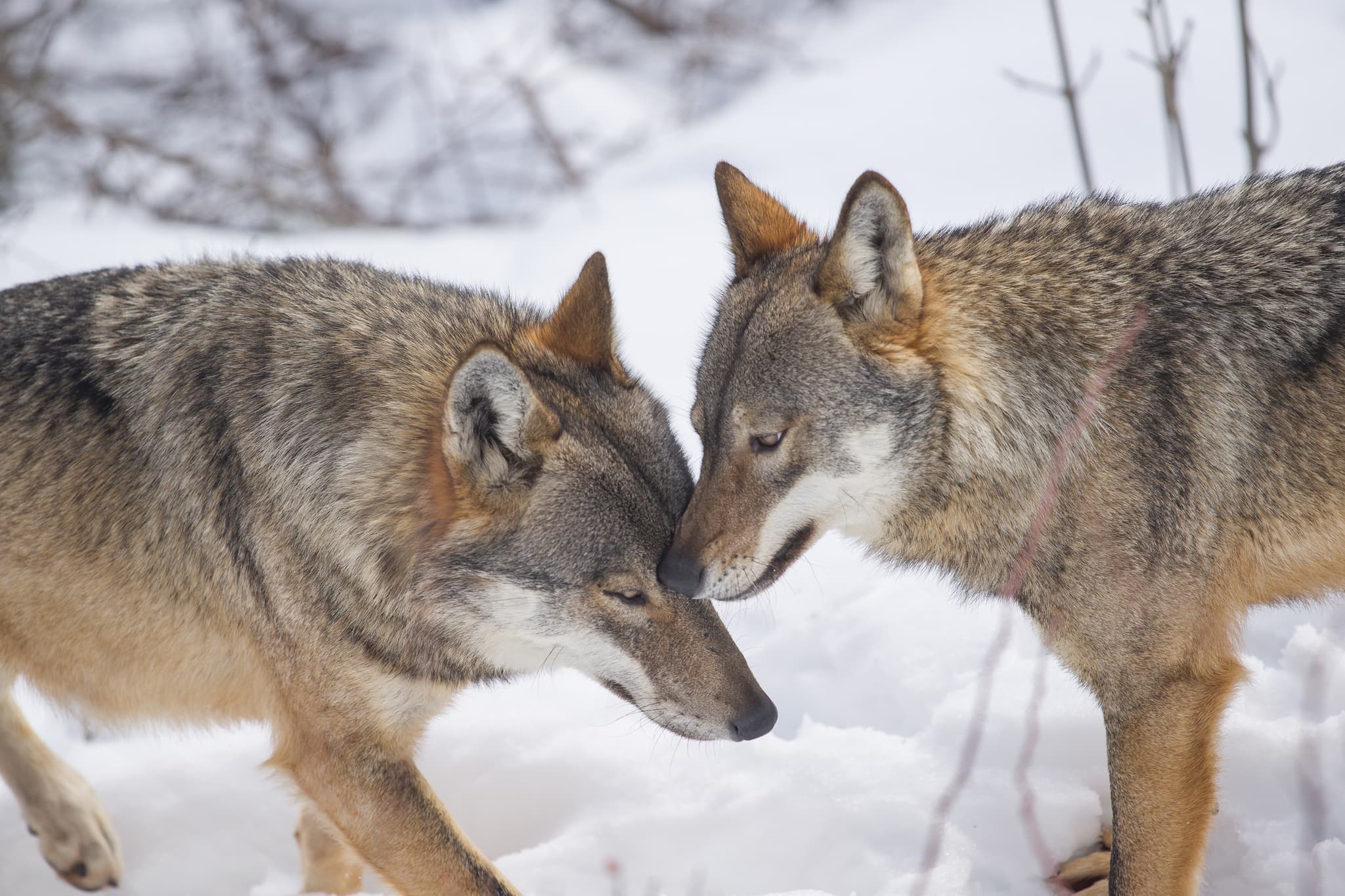
Winter Hiking and Wolf Tracking in Italy
3 nights from£773
Hiking and Wildlife Tracking in Italy
4 nights from£1,071
Premium: Hike & E-Bike Bryce and Zion National Parks
5 nights from£2,584