

5.0
Trek the Camino de Costa Rica
- Costa Rica
- 9 nights
Tackle a pioneering new trail across the planet's most biodiverse country, from the Caribbean Sea to the Pacific Ocean
What's Included?
- Activities & Certified GuidesAll itinerary activities with expert, local, English-speaking trekking guides
- Hotel & Camping7 nights camping, 2 nights in hotels
- Meals9 breakfasts, 8 lunches, 7 dinners
- Transfers & Support VehicleTo and from the airport and everything in between, including a support vehicle through the trek
- Equipment & PermitsTents, sleeping bags and sleeping mats, with permits and entry fees taken care of
- Maximum group size: 14Join small n’ sociable groups of like-minded, active and outdoorsy people – designed to be solo-friendly
Fromexcluding flights
Highlights
Be one of the first to tackle Costa Rica's new long-distance trekking route – completed in 2019, it’s a truly trailblazing adventure
Tread a path far removed from the tourist crowds, exploring remote regions, indigenous heartlands and five different microclimates
Trek through cloud forests in the volcanic foothills, jungles teeming with wildlife, navigate river crossings and meander through coffee plantations
Bunk down at community camp spots along the Camino, tuck into traditional food and cool off with swims at secret waterfalls
Itinerary
Day 1
Welcome to Costa Rica
HotelTwin shareShow Day 1 detailHide detail
Fly into beautiful Costa Rica and head to your hotel in San José. Depending on what time you land, explore, or just relax and get ready for the start of your adventure along the Camino de Costa Rica (opens in new tab), which kicks off in the morning.
Day 2
To the Caribbean Coast
Wild campingTwin shareAll meals includedShow Day 2 detailHide detail
Head out of the capital aiming for the Caribbean Coast, with a journey through the Braulio Carrillo National Park – one of Costa Rica’s largest primary forests and protected areas. Reaching the port at Cano Blanco, you will be transferred by boat for short ride to the start point of the trek, overlooking the Caribbean Sea. Warm up your legs on the first 5km of the trail, steadily making your way to the first overnight camp spot at Finca Pacuarito.
Day 3
Ascend into the mountains
CampsiteTwin shareAll meals includedShow Day 3 detailHide detail
Unzip your tent and grab breakfast and coffee to fuel up for the first full day of trekking on the Camino de Costa Rica. Start with an ascent to the small community of Las Brisas, with the ocean behind you as you climb from the Caribbean lowlands and into the mountains. There are amazing views form here and you’ll get your first taste of Costa Rica’s famous wildlife, with plenty of tropical bird life ever-present. Tonight, you’ll be welcomed for an overnight camp with an indigenous community at Tsiobata, home to the Cabecar people – one of the most isolated indigenous tribes in Costa Rica. In a country that prides itself on ecotourism, Tsiobata is a shining example of tourism bringing revenue to local communities. The Cabecar people are custodians of this wild part of the world and they'll be hosting you tonight and guiding you further into the jungle tomorrow.
Day 4
Take me to the river
CampsiteTwin shareAll meals includedShow Day 4 detailHide detail
Today, your group will be joined by an indigenous guide from the community, who will show the way along an old trail still used today by local indigenous peoples to traverse the dense jungle in this area. This trail meanders deep into the tropical forest, up and down ridges and crosses several creeks making for an incredible day of hiking. The day culminates with a descent to the Pacuare River, a stunning channel of water that makes its way from the highlands all the way to the Caribbean. You’ll set up camp at El Nido del Tigre campsite, where you can grab a swim in the river and settle in for a cracking evening in this beautiful spot.
Day 5
Through the jungle
CampsiteTwin shareAll meals includedShow Day 5 detailHide detail
Wake up to the sound of the rushing Pacuare River, the chorus of tropical birdlife and howler monkeys in the forest canopy in the distance. Set off for a full day on a variety of trails en route to Tres Equis. The route skirts the edge of the river throughout the day in a constantly picturesque river valley of glistening azure waters and lush, verdant rainforest. The trail is technical, with roots, rocks and dense foliage to contend with. Wind up today’s section of the Camino at Tres Equis, where you’ll bunk down at a local farm which produces organic cocoa, sugar cane and coffee.
Day 6
Deep dive into real, rural Costa Rica
CampsiteTwin shareAll meals includedShow Day 6 detailHide detail
Tuck into coffee grown metres from where you laid your head last night, kicking off the day in style and fuelling up for the next section. Today’s trail is less technical and instead follows a series of gravel tracks, allowing you to take in the surroundings and spot wildlife along the way. As well as hiking through an incredible landscape packed with wildlife and natural wonders, part of the lure of the Camino is the insight into remote, rural Costa Rican communities that see few tourists other than trekkers from this trail. Today’s lighter day allows some time to get closer to everyday life when you reach the town of Mollejones. Your guide will link up with the area's residents to offer a glimpse into local food with a Tican cooking class, followed by dancing classes to get those hips moving. You are in Latin America after all; food and dancing is a second religion here.
Day 7
Getting closer to the Pacific
CampsiteTwin shareAll meals includedShow Day 7 detailHide detail
Bid farewell to this part of the Camino as you hop in the support vehicle to skip out a chunk of the trail en route to the Pacific side. We've kept in the best bits and taken out some of the more unremarkable sections of tarmac road through farmland, which make up a portion of the central section of the Camino. Officially reaching the Pacific section of the Camino, you'll get back on the trail to hike through coffee plantations with a chance to learn about the processes, history and importance of coffee for the country.
Day 8
Waterfall wild swims and first glimpses of the Pacific
CampsiteTwin shareAll meals includedShow Day 8 detailHide detail
Trek along old plantation trails today to reach the town of Naranjillo. Half way through the hike you’ll reach a beautiful waterfall for swims and a cracking lunch spot. Late in the afternoon you’ll start to get your first glimpses of the Pacific Ocean in the distance as the Camino begins its descent from the central mountain ranges towards the coast. The final section today is a steep descent down to the Rio Naranjo – a serene place where you can soak up yet more of Costa Rica's natural splendours.
Day 9
Finish line at the Pacific
HotelTwin shareBreakfast and lunch includedShow Day 9 detailHide detail
One last push is needed today to reach the Pacific. The feeling of a long beautiful descent to the finish line is ever-present, all the way to the small community of Esquipulas on the banks of the Naranjo River. Another dreamy wild swim spot awaits you here beneath a waterfall, before you hike the final parts of your traverse of Costa Rica. The van will be waiting to transfer you down the coast to Manuel Antonio, with its stunning beaches and national park. After eight consecutive days on the trail, seeing more hummingbirds than humans, you’ll be able to lap up some creature comforts and toast the completion of an epic trek with cold drinks overlooking the Pacific Ocean.
Day 10
Beach times and farewells
Breakfast includedShow Day 10 detailHide detail
Enjoy a lie in and some well-earned downtime, with the whole morning to do as you please in Manuel Antonio. Kick back on the beach, swim or surf in the Pacific, or explore the wider area under your own steam, before meeting back up with your host for the drive back to San José in the afternoon, where the adventure comes to an end at the airport. You'll be able to take any flight departing from 18:00 onwards, or you can be dropped off in central San José if you plan to stay longer in Costa Rica (you also have the option to remain on the Pacific Coast for longer rather, than heading back to San José with your host).
Practical Stuff
Getting There
- Nearest airport
- Juan Santamaria International Airport (SJO)
- Pick up
- Juan Santamaría International Airport, San José
Any time on Day 1 - Drop off
- Juan Santamaría International Airport, San José
16:00 on Day 10
This Trip is Graded Level 4
- Level 4
Moderate-Challenging
Created for adventurers ready to take on a few longer, more demanding days
Climate Factors To Consider + 1 other factor - How much activity is involved?
Typically five to seven active hours daily, with some challenges
Trekking for seven consecutive days, covering 100km in total on a variety of terrain means you'll need strong fitness levels and a sense of adventure. The elevation gain on th...
- Right level, wrong trip?
Browse all our Moderate-Challenging trips
Your next adventure is out there

 Not sure which level is right?
There's a level for everyone – find your match
What is and isn't Included?
What's included
- 8 days of guided hiking on the best sections of the Camino de Costa Rica
- Tican cooking class
- Tican dance class
- Expert, local, English-speaking trekking guides
- Plus an indigenous guide to accompany your group on Day 4
- 1 night in a hotel in central San José
- 7 nights camping along the Camino de Costa Rica
- 1 night in a hotel in Quepos next to Manuel Antonio National Park
- All (9) tasty breakfasts
- 8 hearty lunches
- 7 classic Costa Rican dinners
- Arrival transfer from San José Airport at any time on Day 1
- Group departure transfer to San José Airport on Day 10
- All transfers during the trip
- Tents, sleeping bags and sleeping mats
- All permits and entry fees
What's not included
Our trips do not include flights, trains or other travel to the start point and back from the end point.
Tips are not included in the trip cost. These are entirely at your discretion; however, we recommend budgeting the following as a guideline:
- Approximately $8-10 (USD) per person, per day for the expedition leader
- $6-8 (USD) for support staff
Of course, you are free to tip as much or little as you like and the amount should be reflective of your perception of service and quality – a tip is not compulsory and should only be given when you receive excellent service.
You know your own spending habits best, so please budget an appropriate amount for things like optional meals and drinks, shopping, optional activities, and laundry.
Travel insurance is compulsory for all of our adventures and you are required to provide your policy information before departing. Your insurance should include adequate protection for overseas medical treatment, evacuation/repatriation, your baggage and equipment and the specific activities involved on your adventure. We also strongly recommend it includes cancellation and curtailment insurance, should you be unable to join your trip for specific reasons such as illness. Our recommended travel insurance provider is Campbell Irvine (opens in new tab), as their insurance offers all of the above.
Visa requirements often change, and you are responsible for obtaining any required visas for this trip. Please check with your nearest embassy or consulate for up-to-date advice.
Where You'll Stay
Looking for a private room? See Optional Extras for details and pricing.
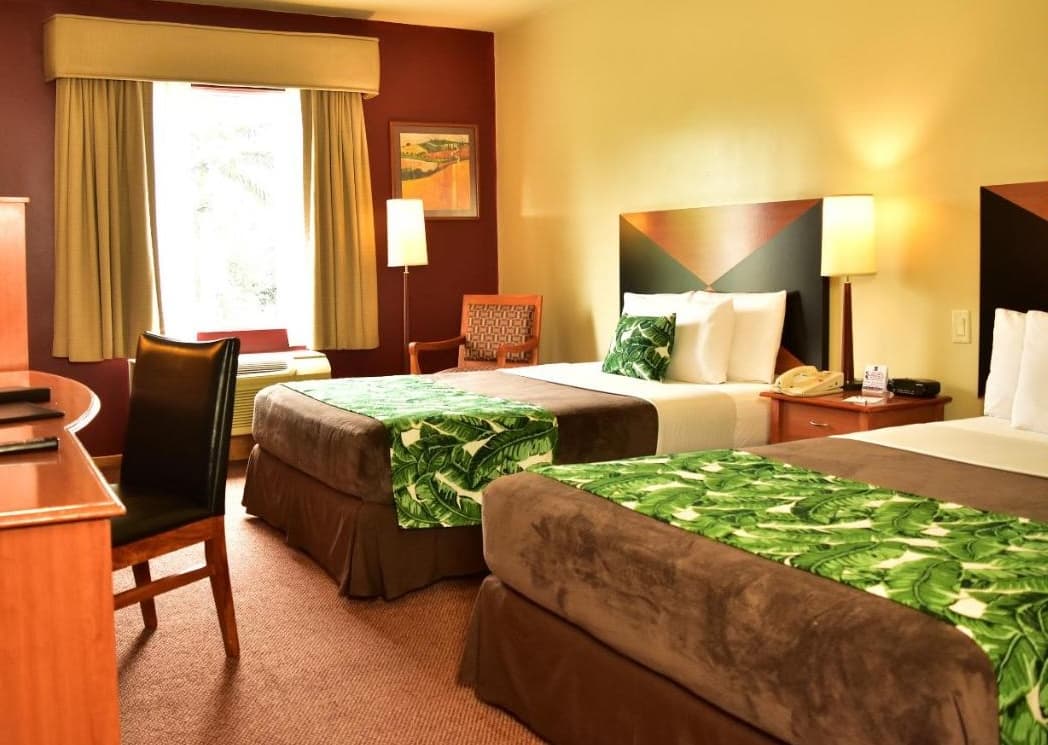
San Jose
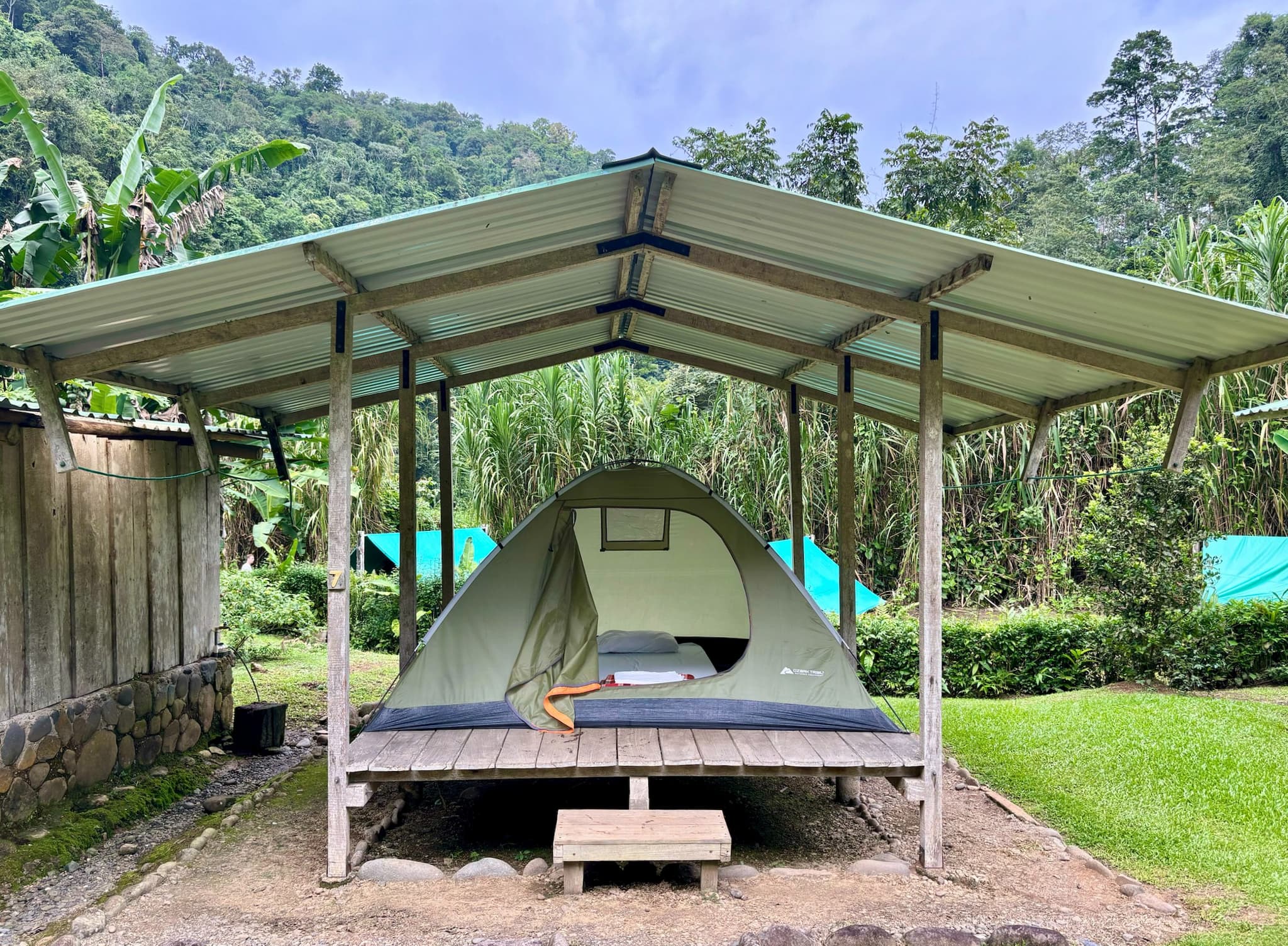
Along the Camino
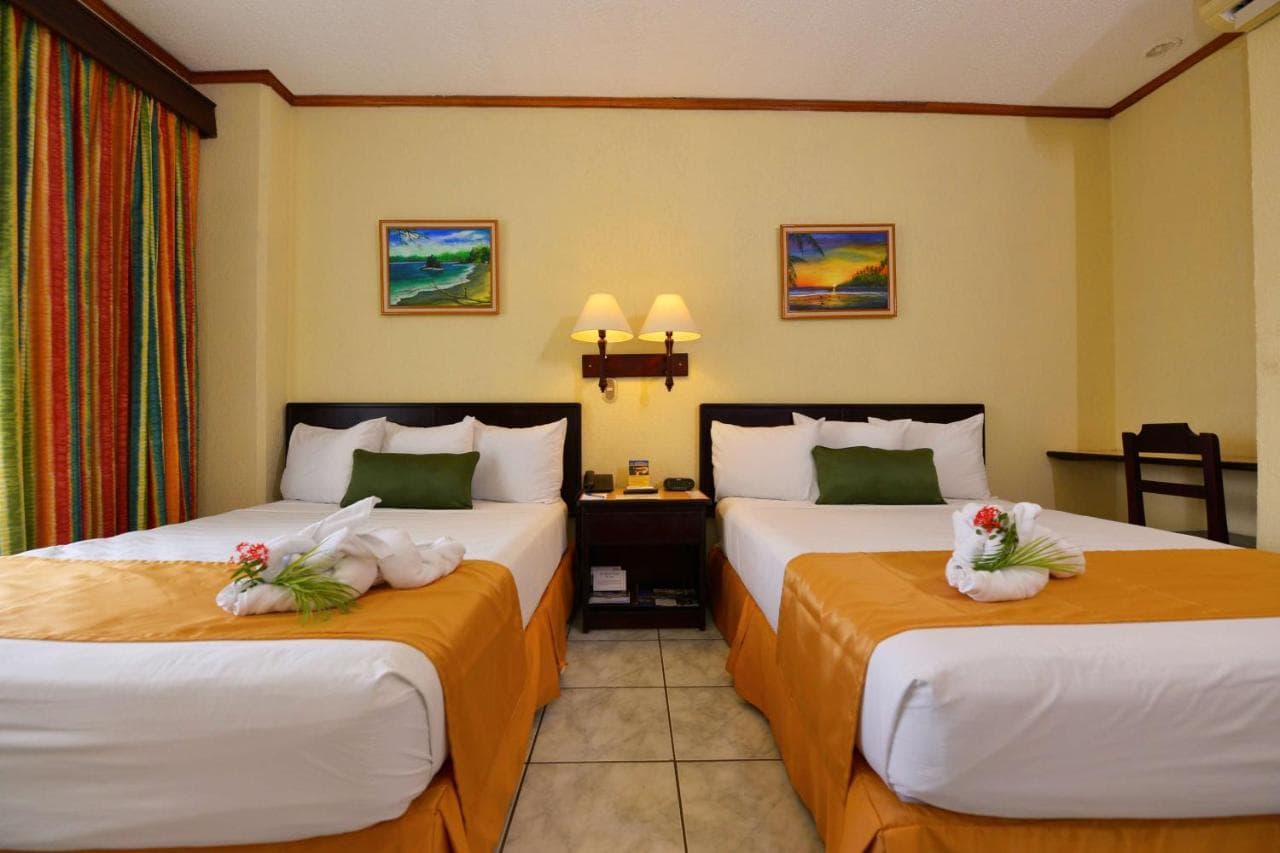
The Pacific Coast
What You'll Eat
You'll tuck into three hearty meals a day along the trail, whipped up by your guides at the community campgrounds where you'll be staying. You'll also get to sample traditional, local foods all the way along the route as you pass through farming regi…
Optional Extras
Pre/Post Trip Accommodation
- Pre/Post trip accommodation in San Jose (per room, per night)(incl. airport transfer) from
- £119
- Single/Twin/Double at Best Western Kamuk Hotel in Quepos
- £95/per night
- Single/Twin/Double at Hotel El Faro in Manuel Antonio
- £134/per night
Upgrades
- Optional Private Room & Tent Upgrade
- £209
For solo travellers looking for their own space, an optional private room and tent can be booked for an extra charge, see Optional Extras for the price. Please request this at the time of booking (this is subject to availability).
Transfers
- Airport Transfer One Way (San Jose Airport to San Jose accommodation) from
- £54
To request any extras, message your host via your Much Better Adventures account once you have booked your trip.
All extras must be paid before your trip starts.
Ratings & Reviews
4.619 reviews
- 2 stars (0)
- 1 star (0)
Category rating
- Food
- 5.0
- Guides & crew
- 5.0
- Accommodation
- 4.0
- Itinerary
- 4.0
Latest Reviews
Customer Photos
Before You Travel
What to Pack
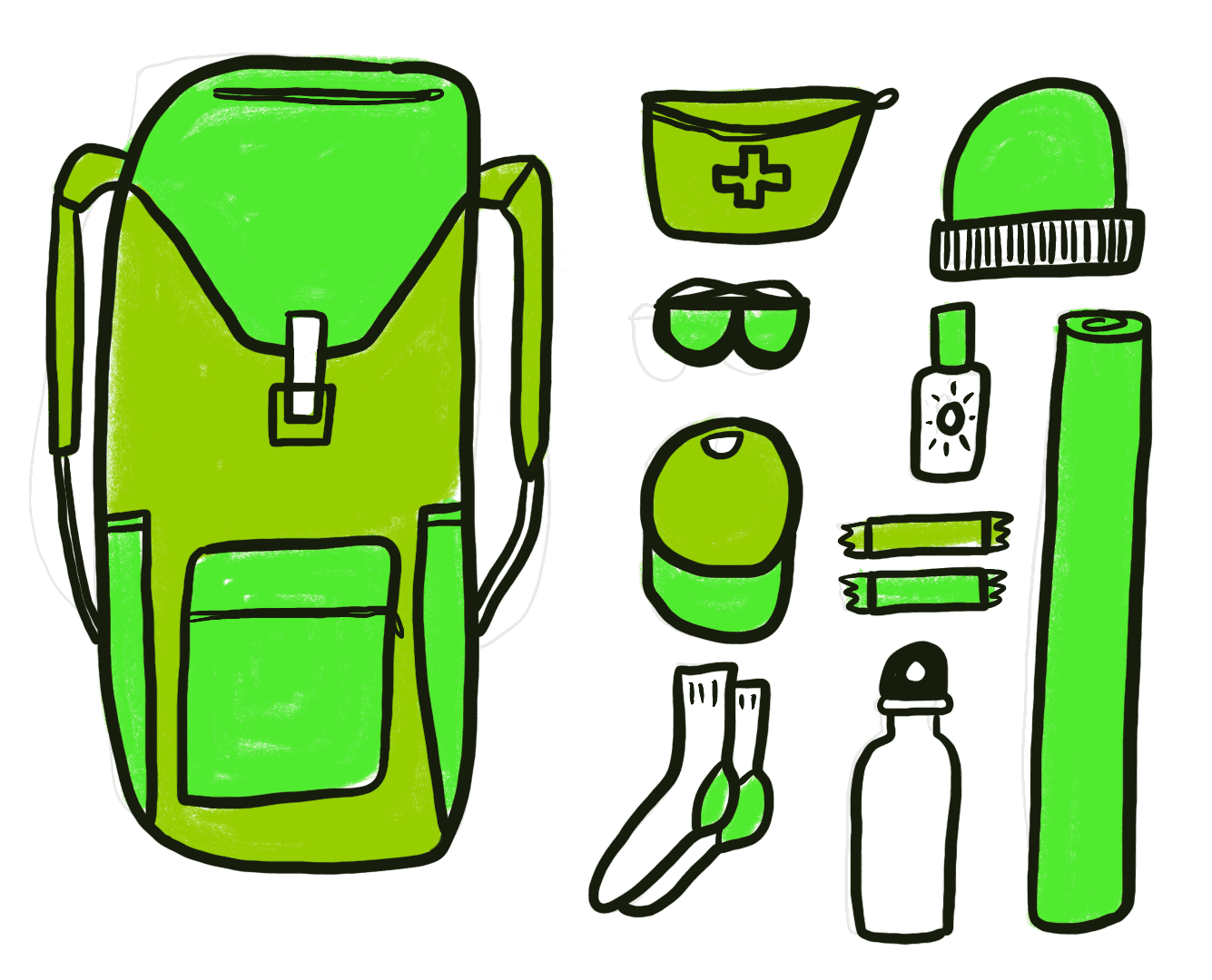
Know before you go! Some stuff we'll provide, other things you'll need to bring.
FAQs
What is the Camino de Costa Rica?
The Camino de Costa Rica (opens in new tab) is a 280-kilometre (170-mile) long hiking trail across the entire width of Costa Rica. From the start point on the Caribbean Coast, it meanders through the Tortuguero canals, ascending into the mountains and through indigenous territory near the Barbilla National Park, through the valleys and mountain ranges of the central region of the country, just south of the Turrialba and Irazu volcanoes and through the Los Santos coffee region, eventually winding up at the Pacific Coast in the town of Quepos. The Camino passes through more than 100 rural communities, protected reserves, National Parks and indigenous communities.
The Camino was completed in 2019, with the aim of establishing a world-class long-distance trail, bringing hikers and trekkers from around the world to improve the economic situation in the rural areas of Costa Rica. The rural populations of Costa Rica have been in steep decline, with stubbornly high levels of poverty affecting these areas. Despite being one of the world’s tourism and conservation success stories, Costa Rica still has many areas which are far less visited – the Camino connects these areas, allowing trekkers to benefit the communities and the custodians of the wild landscapes along the route.
A multi-day trek along the Camino provides a glimpse into rural Costa Rica, its cuisine, its people, and a direct experience with the locals, which is harder to find on the more classic tourist routes.
Does this trip complete the entire length of the Camino de Costa Rica?
No – this trip is a condensed version of the Camino. Tackling the full 280 kilometres would take 16-18 days from the start point on the coast. There are various condensed versions available, which skip out some of the less remarkable sections which pass through farmland and involve some hiking on tarmac roads. We’ve kept in the wildest and most fascinating parts to immerse you in Costa Rica’s lush green rainforests, misty cloud forests in the volcanic foothills, and the coffee region – giving you an insight into the isolated indigenous communities along the route.
Can I leave my excess luggage somewhere?
The trek has a support vehicle that transfers all luggage and equipment from stage to stage. Your excess luggage can remain in the vehicle for whenever you don't need access to it.
What do I do about drinking water?
The water in Costa Rica is generally safe to drink, except for that found in remote and rural areas where there's little to no infrastructure. The support vehicle carries large containers of water from which you can fill your bottle at the start of each stage. There will also be drinking water available at each night’s accommodation.
Hot climate: what factors should I consider?
This trip operates in areas where daytime temperatures can reach extreme highs, where limited shade and high humidity can also be a factor. These conditions can affect physical performance and increase the risk of dehydration or heat-related illness. Your guide will adjust the pace and monitor the group closely, but hydration, proper clothing, and sun protection are essential.
Before travelling, consider your ability to be active in high temperatures and consult a medical professional if you have concerns – especially if you have any cardiovascular or heat-sensitive conditions. Arriving a day or two prior to the trip may help you adjust gradually to the heat.
Can I book on my own?
Sure can! Over 70% of our travellers travel solo, it’s a great way to meet like-minded people.
Who is running the trip?
Our team of Adventure Hunters co-create exclusive adventures which are run by highly vetted, specialist hosts. The trip is run by our trusted host partner in the destination. We only work with independent, local, in-destination experts who know the very best places to explore and how to stay safe. Read more information about the local teams we partner with (opens in new tab). You’ll be introduced to the host straight after making a booking via the Much Better Adventures platform.
What is the official travel advice?
Much Better Adventures refer to the UK Government’s official travel advice when designing trips and monitoring trip operations. We recommend that all customers are familiar with the practical information provided on the Government’s FCDO website (opens in new tab), where current travel advice can be found by searching for the applicable destination(s).
For customers joining this trip from other international destinations – please also read the official travel advice applicable to your country of residence/origin, as this may differ.
What vaccinations do I need?
We recommend checking out the country-specific information (opens in new tab) and also talking to a travel nurse.
How are the trips priced?
We automatically convert prices from the local currency that a host receives to your chosen currency. We update our exchange rates on a daily basis so this does mean that prices displayed on the site are subject to currency fluctuations, which is why you may see them change over time.
If you wish to change the currency you pay in, head to the bottom of the page.
Why are your adventures only for adults?
All of our group adventures are specially designed for adults to enjoy as we want these adventures to bring together outdoorsy people who are truly like-minded. You must be over 18 to join one of our trips.
Who else will be on my trip?
You're always in good company on one of our adventures.
Our trips are typically made up of a mixture of solo travellers and small groups of 2 or 3 friends, with most in their 30s-50s.
Our sociable adventures are solo-friendly by design and naturally attract outdoorsy people with a shared mindset; a love for adventure, a desire to push themselves and meet awesome, like-minded people along the way.
It’s this camaraderie that has so often turned a great adventure into a life-changing one.
Don't just take our word for it:
- 95% of people rate the group dynamics on our trips 5/5
- 90% of people recommend joining a trip to make new friends
- 75% of people have met people on our trips that they would now consider friends
See here (opens in new tab) for more info about the Much Better Adventures tribe.
What's the weather like?
Along the Pacific Coast and the Caribbean flatlands, temperatures average 25–34˚C (77–93˚F). At the mid-level elevations along the Camino, temperatures average between 17–26˚C (63–79˚F). The Camino de Costa Rica can be completed at any time of year – you'll be trekking through five different microclimates, so expect everything from clear sunny skies to tropical rainfall, depending on which part of the trail you are on at which time of year. The jungle sections of the trail can be humid throughout the year, but there are ample opportunities to cool off at swim spots.
What's the carbon footprint for this trip?
We partner with the World Land Trust to ensure this trip achieves Net-Zero emissions. We also support their Buy an Acre programme, helping local communities to buy and protect natural habitats in perpetuity.
What's the number?
It works out on average at 128kg of CO2 emissions per person, including all local transport, accommodation, food, activities, guides, staff and office operations.
The only thing it doesn’t include right now is flights and travel to the destination. We do make an overall estimate across all our customers separately, but as we don’t book flights, have customers from all corners of the world, and no way of reliably knowing their travel plans, we simply can’t include an individual number in the figure on display here. We’ve got a goal to fix that, so that when you book, there is a way to measure and mitigate the carbon emitted by your flight too.
But what does the number mean?
Yep, hard to picture eh? To give you an idea:
- Driving 1000 miles/1609km would be approximately 281kg of CO2 in an average car (or 140.5kg per person, if there were two of you in it).
- A return economy class flight between London and New York would be approximately 1619kg (1.66 tonnes) per person.
- 10 trees in a temperate forest are estimated to remove approximately 250kg of CO2 from the air in a period of 5-10 years.
What are we doing about it?
Our trips are relatively low-carbon by design, and we're working with all our hosts to develop long term carbon reduction plans. We partner with the World Land Trust (opens in new tab) to ensure this trip achieves Net-Zero emissions. We also support their Buy an Acre (opens in new tab) programme, helping local communities to buy and protect natural habitats in perpetuity, ensuring the protection of the reserve and its wildlife.
Want to know more?
Amazingly, no international travel company has ever publicly published their carbon measurements before, as far as we know. We believe that must change, quickly. So we’re openly sharing the method we used in the hope that other companies will be able to more easily follow suit and build on what we've done so far. You'll find it all here (opens in new tab).
Want to Know More?
Ask our AI Assistant
Get instant answers about this adventure
Departure dates
Secure your spot
10% deposit to book (limited exceptions)
Pay in instalments, no interest or fees
Going solo?
Log in to see how many others are booking solo too

Don’t see a date you like?
Get an email alert when new dates are added for this trip
Subscribe to alertsWe've Got Your Back
Book with confidence and peace of mind.

Go private and split the bill with ease.
Forget complex logistics, we've taken care of all the details to ensure a hassle-free get together. All of the adventure, none of the faff.

Feeling adventurous? Here's £100 towards it.
Sign up to our newsletter and we'll email you a £100 code for your first trip. You'll also get weekly trip inspiration, expert advice and last minute deals.
Still Undecided? 🇬🇧 🇺🇸
A few other trips to tickle your fancy 🇬🇧 🇺🇸
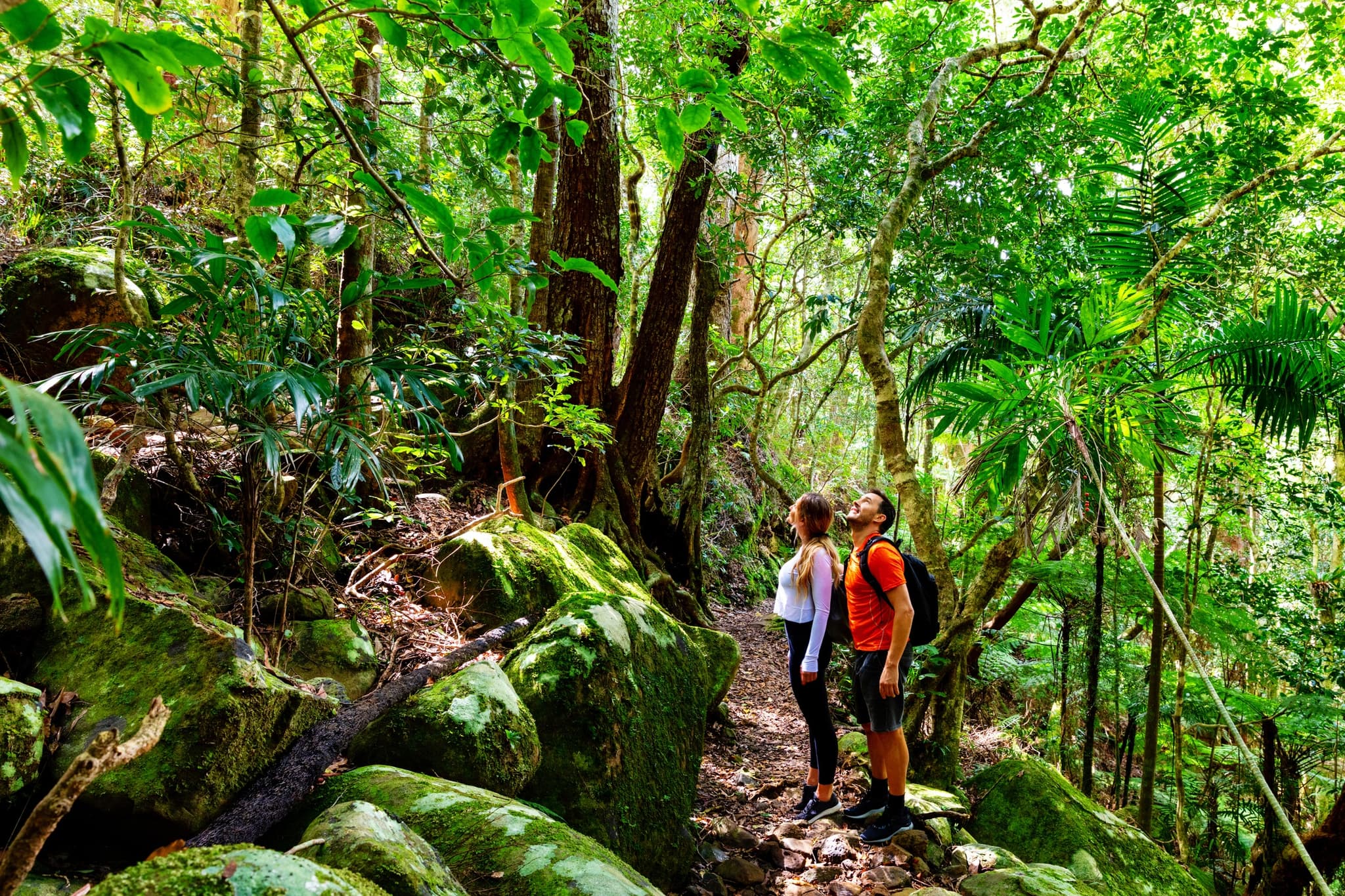
Hike, E-Bike and Paddle 250km Across Costa Rica
11 nights from£3,080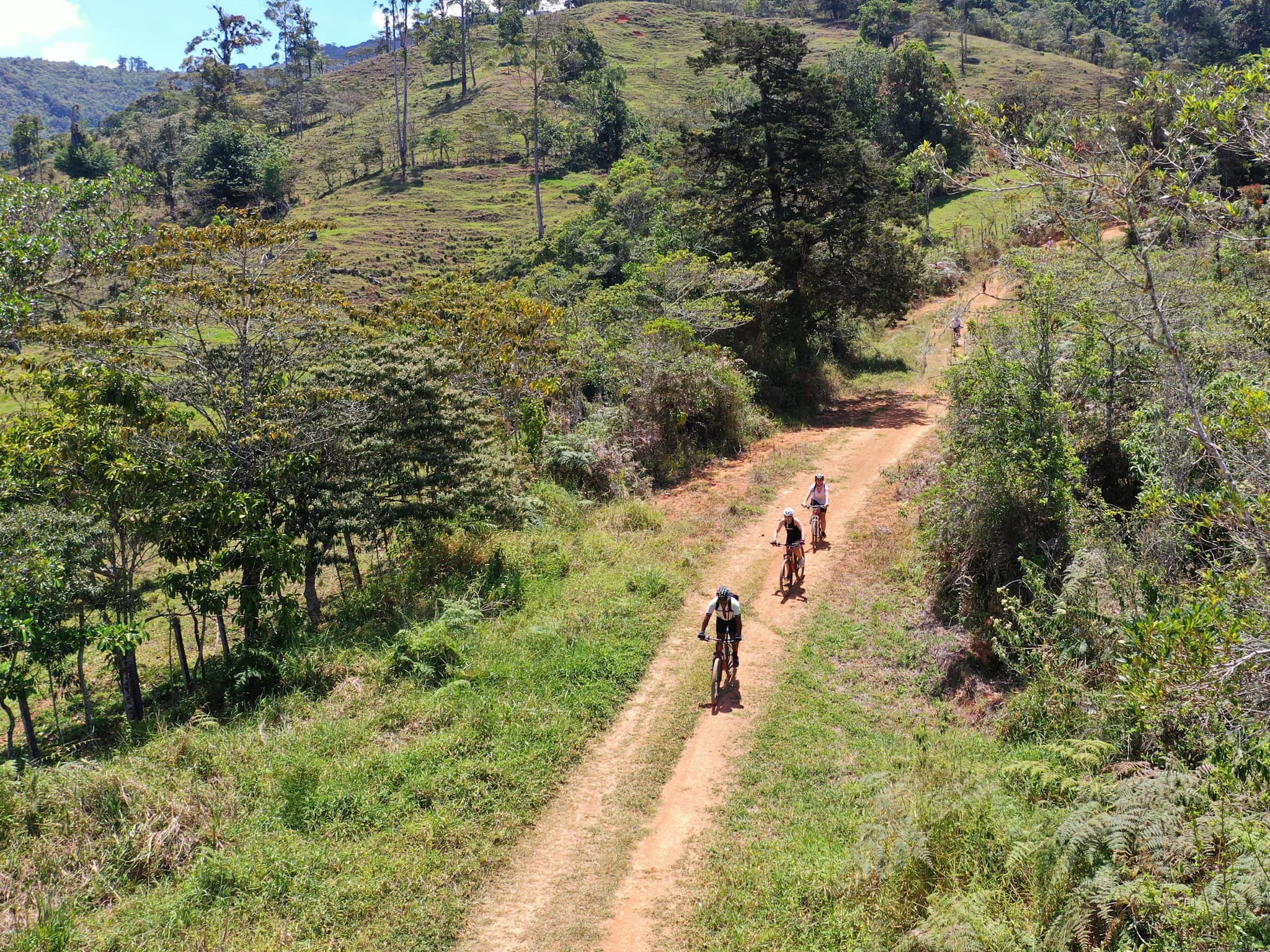
E-Bike Costa Rica From Coast to Coast
8 nights from£2,936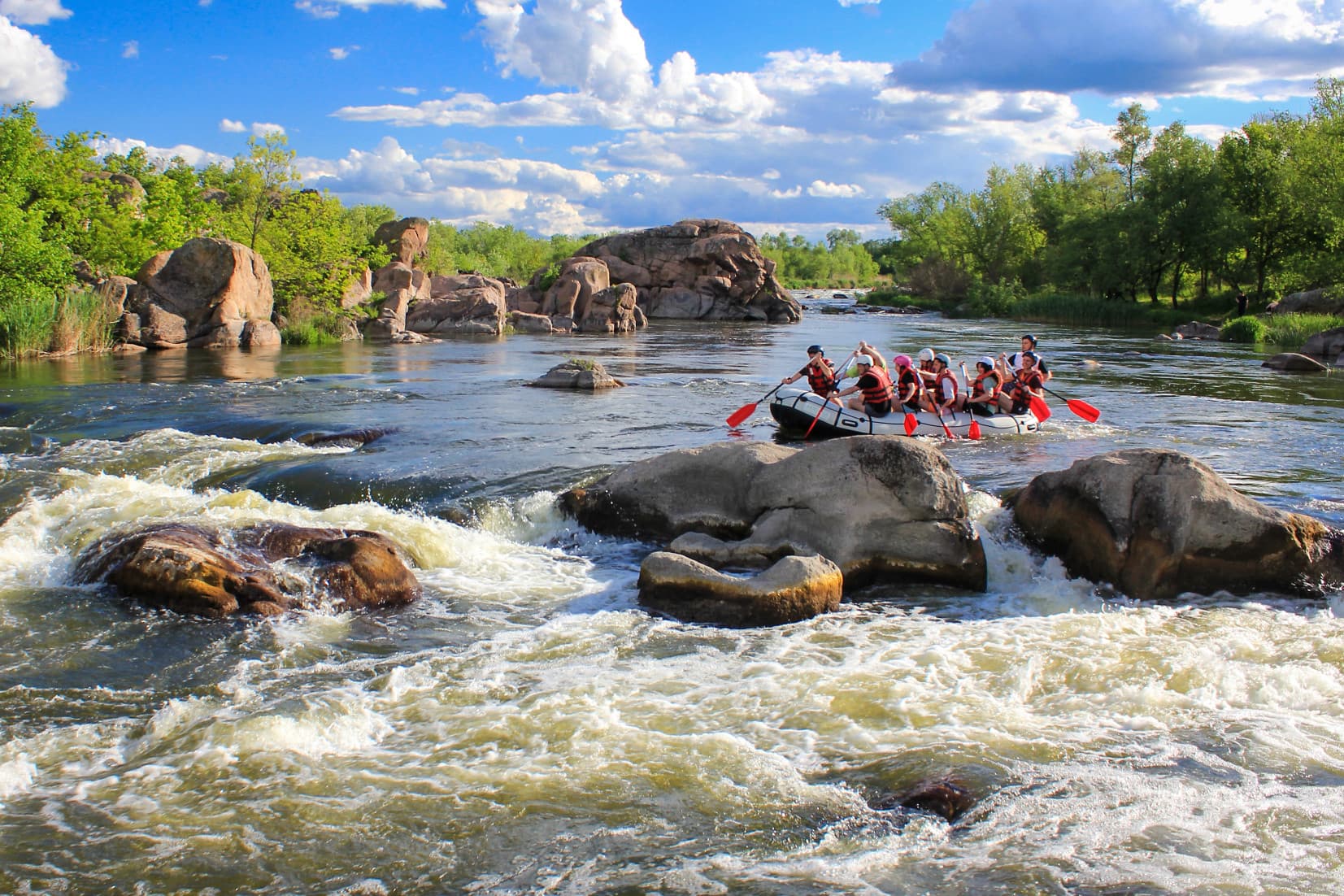
250km Coast to Coast Expedition through Costa Rica
11 nights from£2,736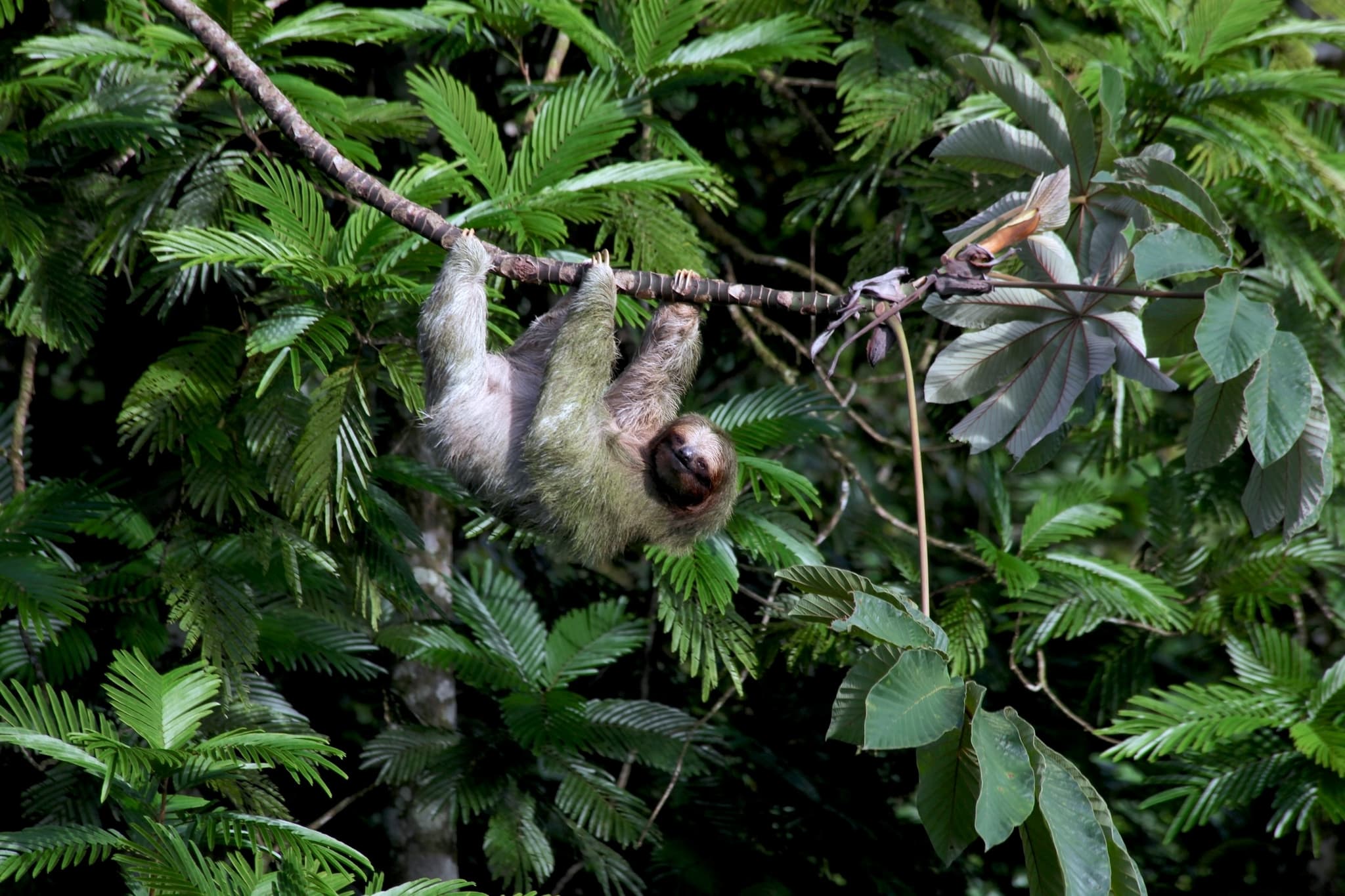
Wildlife Adventure in Costa Rica
9 nights from£2,122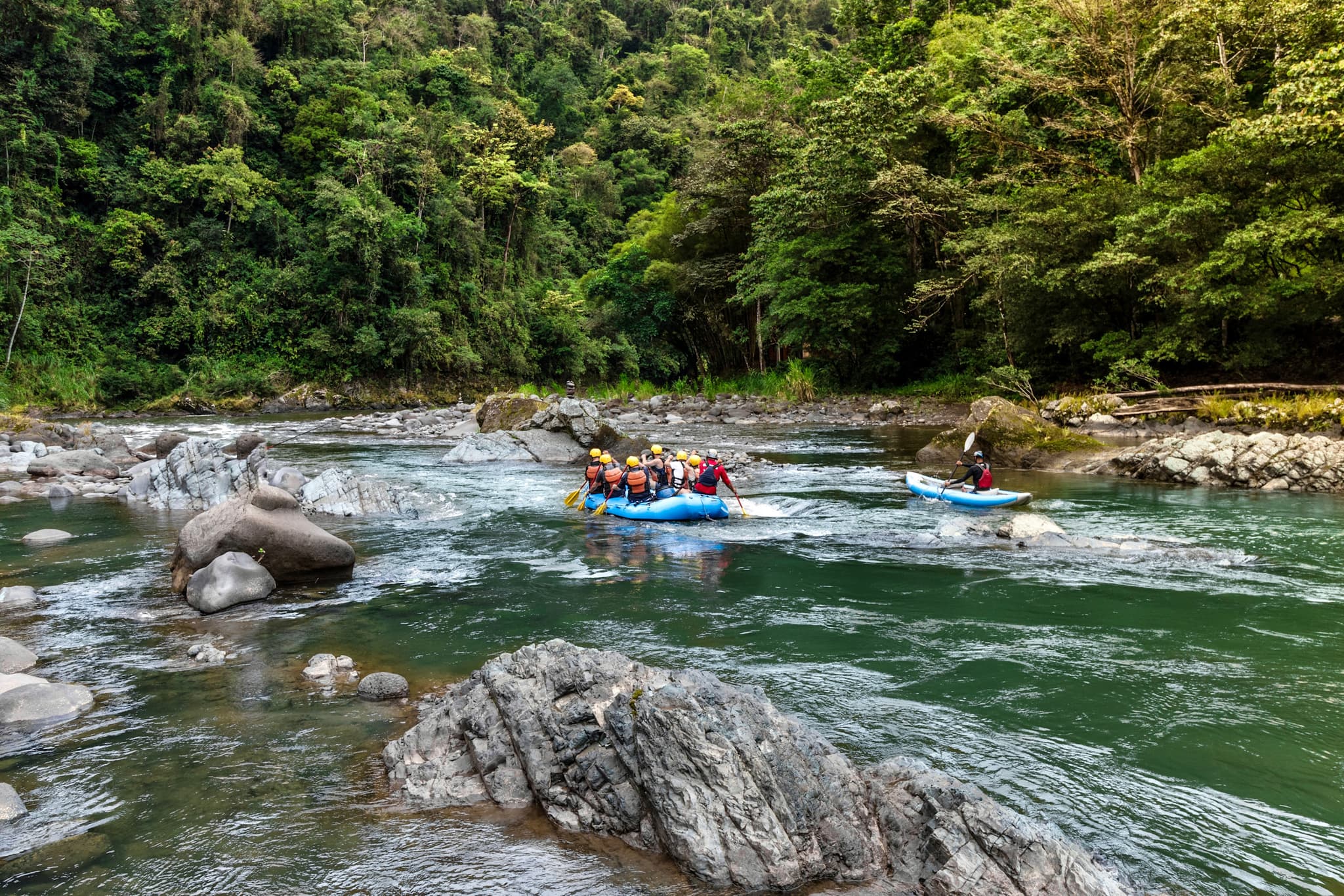
The Ultimate Costa Rica Adventure in a Week
7 nights from£2,259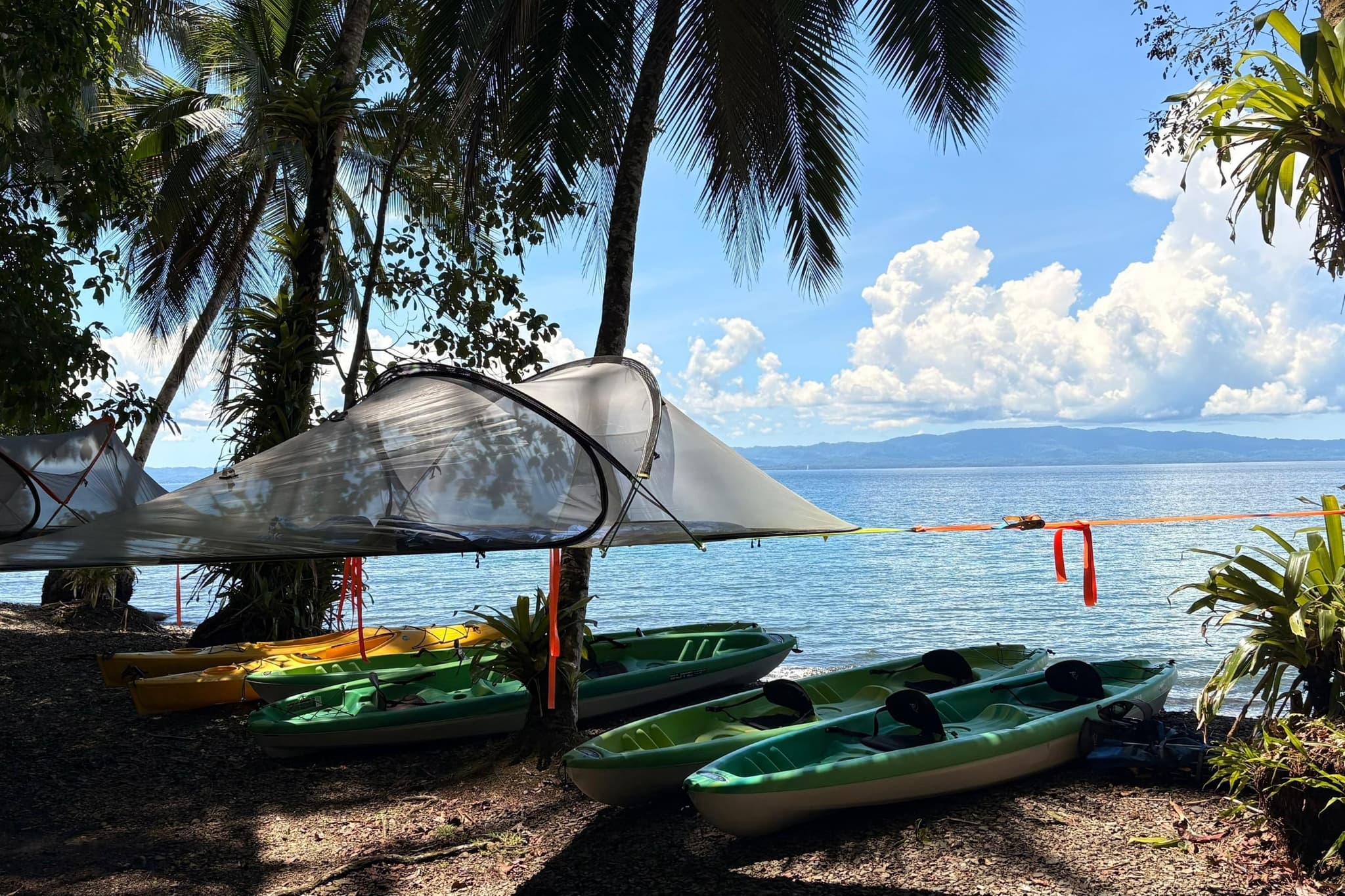
Kayak, Hike and Tree Camp the Hidden Rainforests of Costa Rica
6 nights from£1,822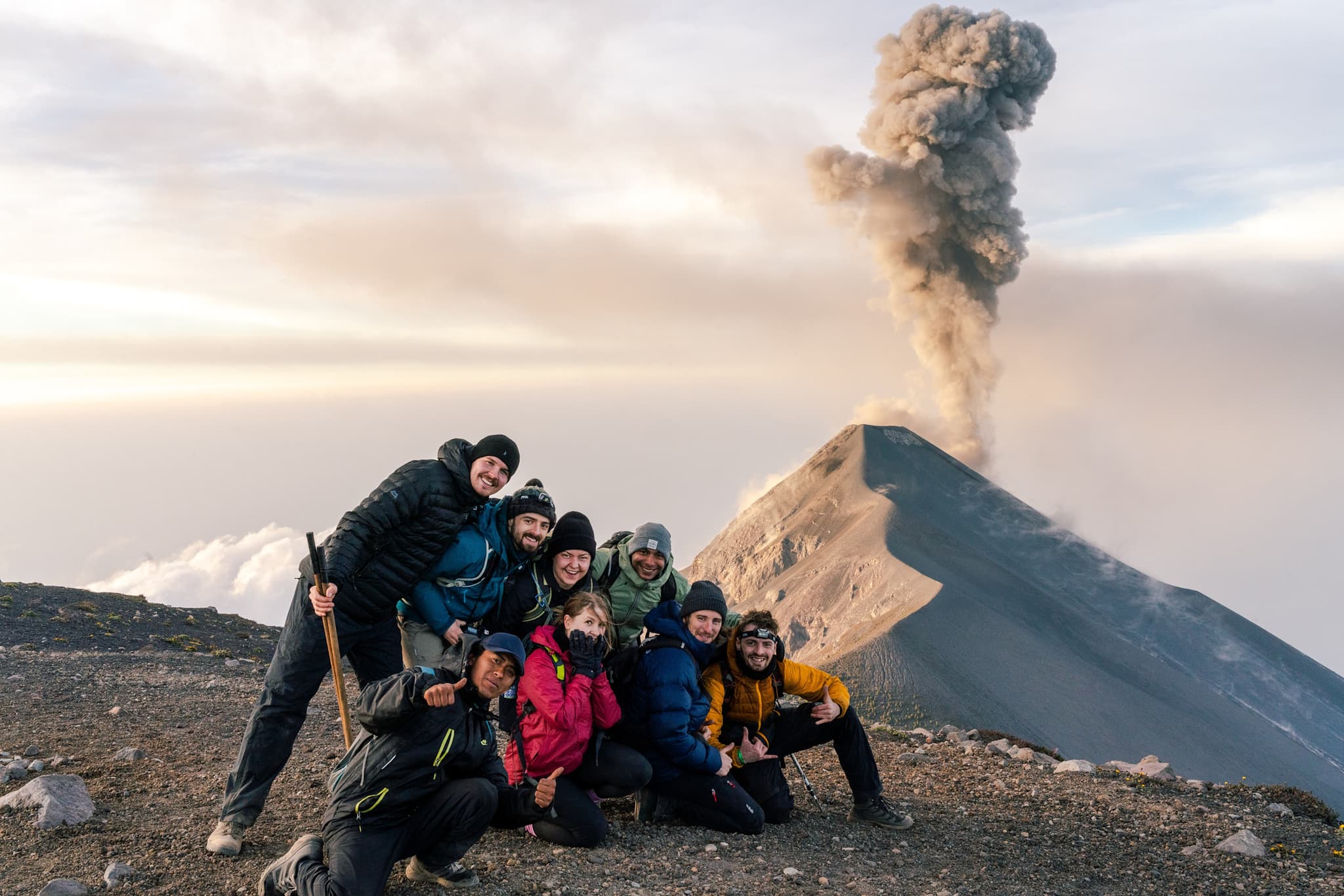
The 3 Volcano Challenge in Guatemala
6 nights from£1,261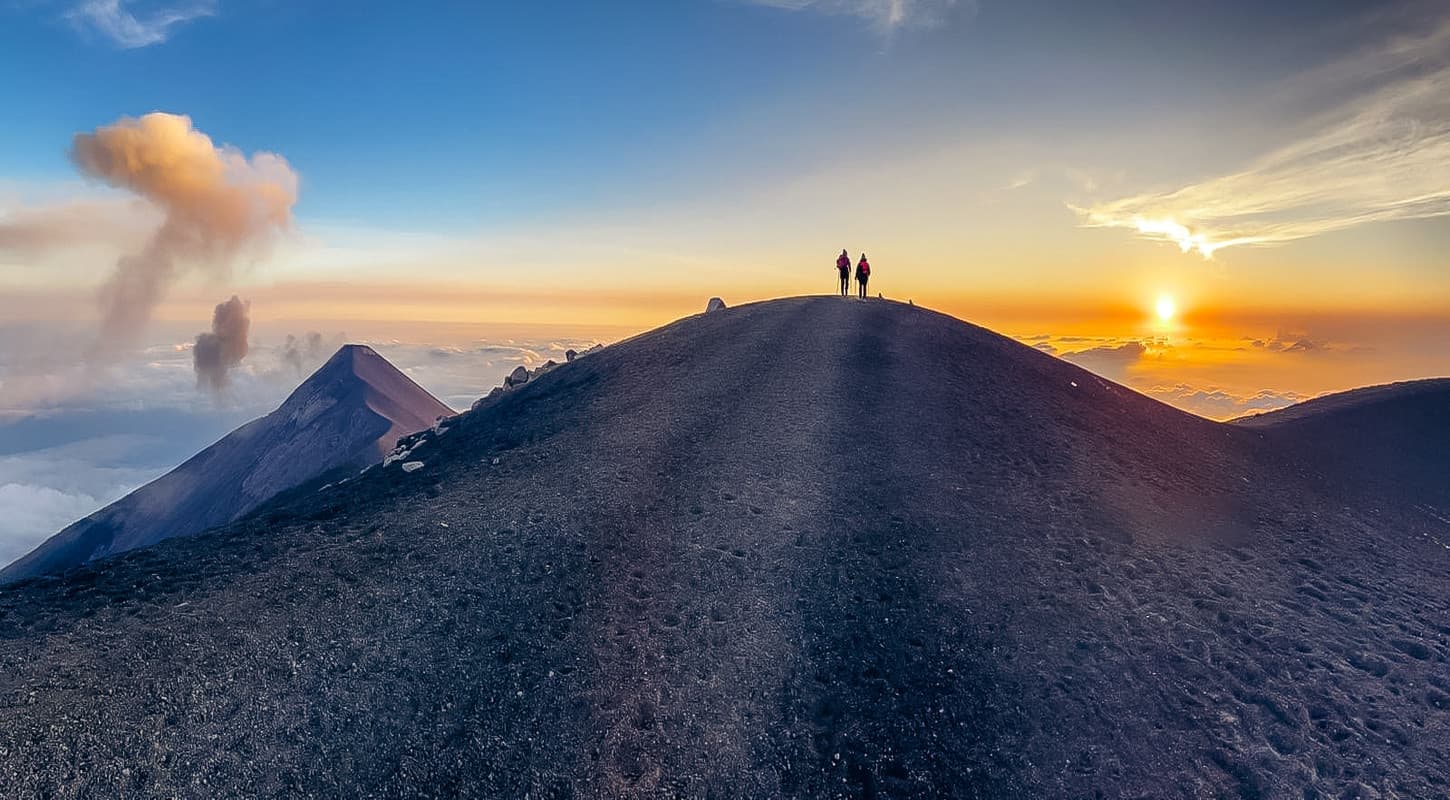
Guatemala 5 Volcano Challenge
9 nights from£1,635
The Ultimate Adventure Through Nicaragua
10 nights from£1,971
The Ultimate Adventure Through Guatemala: 2027 Edition
11 nights from£2,335