

5.0
Trek the GR20 in Corsica
- France
- 7 nights
Tackle the northern half of Europe's toughest long-distance trek along the spine of this mountainous Mediterranean island
What's Included?
- Activities & Certified GuidesAll itinerary activities with expert, local, English-speaking guides
- Accommodation1 nights in a hotel, 1 night in a traditional guesthouse, 2 nights in mountain refuges & 3 nights camping
- MealsAll breakfasts, lunches and dinners throughout the trip
- TransfersA group transfer to and from the airport and everything in between
- Luggage TransferLuggage transfer by vehicle on Day 4 and Day 6
- Maximum group size: 12Join small n’ sociable groups of like-minded, active and outdoorsy people – designed to be solo-friendly
Fromexcluding flights
Highlights
Take on a week of mesmeric trekking along the spectacular GR20 from Vizzavona to Bonifatu, hiking steep, exposed and technical sections as you go
Meander through the foothills of Monte Cinto, Corsica's tallest peak, and traverse a ridge to reach Pointe des Eboulis (2607m), the GR20's highest point
Bunk down in remote mountain refuges, brave bracing swims in natural pools and lap up never ending views of jagged peaks and the distant sea
Itinerary
Day 1
First glimpses of incredible Corsica
GuesthouseMixed dormDinner includedShow Day 1 detailHide detail
Get your first glimpse of Corsica, the rugged jewel nestled in the Mediterranean, as you descend towards Bastia Airport – or perhaps take in the view across the water if you've opted to arrive via ferry. Your host will meet you at the airport in the early afternoon and transfer your group to Vizzavona – the official halfway point of the full GR20 (opens in new tab). The drive takes two hours and gives you an immediate impression of how stunning Corsica is, with the Mediterranean Sea on one side and the mountainous interior on the other. Ascending along winding roads to Vizzavona, check in to your traditional guesthouse accommodation nestled in the forest. Your guides will give you a run-through of the adventure ahead before you bunk down ready for the trek to kick off in the morning.
Day 2
The trek begins: Vizzavona to Petra Piana
CampsiteTwin tentAll meals includedShow Day 2 detailHide detail
Wake up and soak up the excitement as trekkers fuel up on breakfast and coffee at the official midway point of the GR20 before heading off in their respective directions. You'll be tackling a variant of the first two stages of the northern section of the GR20 – very much the toughest half of the island's trekking route (which takes two weeks to complete in full, both the north and south sections continuously). Today's trek is a long and tough day, straight out of the gate. Kick things off with a steady ascent to the Brêche de Muratellu at 2100m, following the trail alongside the azure Cascade des Anglais and further up to Muratellu with stunning views of the Monte Rotondu. Trek along the ridge, via the summit of Pinzi Corbini. This is a short but challenging section which is steep and exposed in places – having an experienced guide on these parts of the GR20 is invaluable, and if the weather is bad there is an alternative lower valley option that will be taken direct to Petra Piana. A full day of trekking delivers you to the Petra Piana refuge where you can relax, grab a drink for sunset and settle in for a night under canvas by the refuge.
Day 3
Petra Piana to Camputile Plateau
CampsiteTwin tentAll meals includedShow Day 3 detailHide detail
Today is easier going after a full-on start yesterday, though this is a high mountain stage with a few technical sections equipped with chains to navigate. Setting off from Petra Piana after breakfast, tackle a short uphill section up to the high ridge above the refuge. The trail weaves through a rocky, lunar landscape and continues along a mountain pass where the views become increasingly more spectacular with Corte, the island’s historic capital, in the distance. To the east there's an impressive view of the massif of Rotundu, and to the west the Mediterranean shimmers in the distance. From the peak above Lake Capitello, you'll meander downhill to Manganu refuge, situated on the edge of the Camputile Plateau. You'll be fully immersed in this legendary trek by this point, as the remote landscape shifts and reveals why Corsica is such a mystical and alluring island. Enjoy dinner and soak up the atmosphere inside the refuge with another day under your belt, before sleeping in tents here.
Day 4
Camputile Plateau to Col de Vergio
Mountain refugeMixed dormAll meals includedShow Day 4 detailHide detail
Your third day along the GR20 north involves a good chunk of distance to get through – 16km in total, but the elevation gain and loss is lighter today, kicking things off with a gentle uphill section through beech woods and across the green turf to the beautiful Lac de Nino. At 1743m this glacier lake is in a lovely, sheltered spot surrounded by spongy peat, with networks of streams and wells, an ideal grazing ground for ponies and other animals in the summer. The high mountain air here is fresh, tinged with the scent of alder. Enjoy a morning break and relax on the banks of the lake before eating into more of the distance ahead of you. Towards the end of today's section you'll drop down at the Col St Pierre to join a flat, horseshoe-shaped trail to reach Castel di Vergio, the island’s small ski station. You'll stay in dormitories at the refuge here after dinner and sundowners; now you are halfway through the trek.
Note: You'll have access to your additional luggage this evening so you can resupply your hiking pack.
Day 5
Col de Vergio to Melarie Valley
CampsiteMixed dormAll meals includedShow Day 5 detailHide detail
Set off on a trail through the Valdu Niellu forest, a long but rolling section allowing you to make rapid progress. The trail follows the Golo River up the valley towards its source, with cascading waters flanked by pine trees creating natural pools. Midway up the valley your route crosses the river, a great place to take a break on the smooth sun-baked rocks and enjoy a revitalising swim in the fresh (but cold!) mountain water. The trail soon leaves the floor of the valley and heads up to the ridge line; from here there are clear views of the villages dotted on the west coast and the outline of distant islands in the Mediterranean. Trek through yet more incredible landscapes before pausing at the refuge at Ciuttolu di I Mori at 2000m, the highest refuge in Corsica situated between two imposing mountains (the Tafanatu and Paglia Orba). After a full day of trekking you'll eventually reach U Vallone refuge, your final stop for the day. Recharge and refuel here, you still have two big hiking days to get through.
Day 6
Melarie Valley to Haut-Asco
Mountain refugeMixed dormAll meals includedShow Day 6 detailHide detail
Today is a tough, high altitude mountain route in the highest part of the GR20, flanked by Corsica's tallest peaks. Make your way uphill progressively to the foothills of Monte Cinto, the highest summit on the island at 2706m. The climb is steep, rocky underfoot and slow going, and there can still be snowpack here during June and July. After a couple of hours you'll arrive at Bocca Crucetta, a ridge that leads to the daunting Pointe des Eboulis at 2607m – the highest point on the GR20, the view is absolutely spectacular. From here, the path plunges precipitously down to the small lake on the other side, so settle in for a steady descent downhill with scree and rocky terrain finally giving way to a river and woods as you approach the old ski station of Haut-Asco. Settle into the refuge here and grab a beer or soft drink to toast a cracker of a day on the highest section of Europe's toughest trek, before bunking down in the dormitory at the refuge. Multi-day trekking simply doesn't get better than this!
Note: You'll have access to your additional luggage this evening so you can resupply your hiking pack.
Day 7
The final stage: Haut-Asco to Bonifatu
HotelTwin shareAll meals includedShow Day 7 detailHide detail
One last memorable stage of the GR20 awaits today: the final stretch of the northern half to reach the finish line. From Ascu-Stagnu you'll climb up to reach Bocca di Stagnu at the foot of Muvrella at 2150m. The proximity of the sea getting ever closer beckons in the final stages of GR20. At Muvrella Lake, the view over the Bay of Calvi is superb – this is undoubtedly one of the most beautiful stretches of the GR20. Lap up the views and the rising feeling of accomplishment, crossing the Spasimata footbridge and bidding farewell to the GR20 shortly before the Carozzu refuge. You have one last spectacular and demanding descent to Bonifatu along the Mare e Monti trail as your trek reaches its conclusion. Your host will transfer you on to Calvi, where your efforts are rewarded with a comfy hotel and all the creature comforts that you've left behind over the past week in the wild. Head out for dinner at a local restaurant tonight to toast the successful completion of this iconic trek.
Day 8
So long, Corsica
Breakfast includedShow Day 8 detailHide detail
Your adventure comes to an end this morning on this picturesque part of the Corsican coast. Hop in the van for the two-hour ride back to Bastia Airport as your host drops you off at the airport around midday in time for any flights departing from 14:00 onwards. If you're opting to stay on longer in Corsica, the stretch of coast around Calvi has some stunning coastal spots to explore if you wish to bid farewell to your host and fellow adventurers there, or you can take the ride back to Bastia and continue your travels, perhaps moving on to the wild coastal areas north in the Cap Corse.
Practical Stuff
Getting There
- Nearest airport
- Bastia-Poretta Airport (BIA)
- Pick up
- Bastia Airport
17:00 on Day 1 - Drop off
- Bastia Airport
12:00 on Day 8
This Trip is Graded Level 6
- Level 6
Challenging-Tough
For experienced adventurers ready for big, strenuous days out
High Altitude Factors To Consider + 2 other factors - How much activity is involved?
Consistently demanding days, of seven to nine hours or more
The GR20 is becoming more and more popular, but it remains the most difficult trek in Europe. The northern half, which you'll be tackling on this trip, is the tougher half of ...
- Right level, wrong trip?
Browse all our Challenging-Tough trips
Your next adventure is out there

 Not sure which level is right?
There's a level for everyone – find your match
What is and isn't Included?
What's included
- 6 full days of guided trekking along challenging, remote terrain on the GR20
- Expert, English-speaking local trekking guides with years of experience on the GR20 and IML certification
- 1 night in a traditional guesthouse in Vizzavona before your trek begins
- 3 nights camping at campgrounds outside mountain refuges along the GR20 route
- 2 nights in dormitories inside mountain refuges along the GR20 route
- 1 night at a locally owned hotel in Calvi
All your meals are provided for the duration of the trip. This includes:
- 7 continental breakfasts, with tea and coffee
- 7 picnic lunches in some incredible spots along the GR20
- 7 evening meals at the mountain refuges, offering local specialities
- Group arrival transfer from Bastia Airport on Day 1
- Group departure transfer to Bastia Airport on Day 8
- Transfer from Bonifatu to Calvi at the end of the trek
- You'll have access to your additional luggage on the evenings of Day 4 and Day 6
What's not included
Our trips do not include flights, trains or other travel to the start point and back from the end point.
Tips are not included in the trip cost; these are entirely at your discretion. If you would like to tip, the amount should be reflective of your perception of service and quality.
You know your own spending habits best, so please budget an appropriate amount for things like optional food and drinks, shopping and laundry.
Travel insurance is compulsory for all of our adventures and you are required to provide your policy information before departing. Your insurance should include adequate protection for overseas medical treatment, evacuation/repatriation, your baggage and equipment and the specific activities involved on your adventure. We also strongly recommend it includes cancellation and curtailment insurance, should you be unable to join your trip for specific reasons such as illness. Our recommended travel insurance provider is Campbell Irvine (opens in new tab), as their insurance offers all of the above.
Visa requirements often change, and you are responsible for obtaining any required visas for this trip. Please check with your nearest embassy or consulate for up-to-date advice.
Where You'll Stay
Private room upgrades are not available on this trip due to the nature of the accommodation.
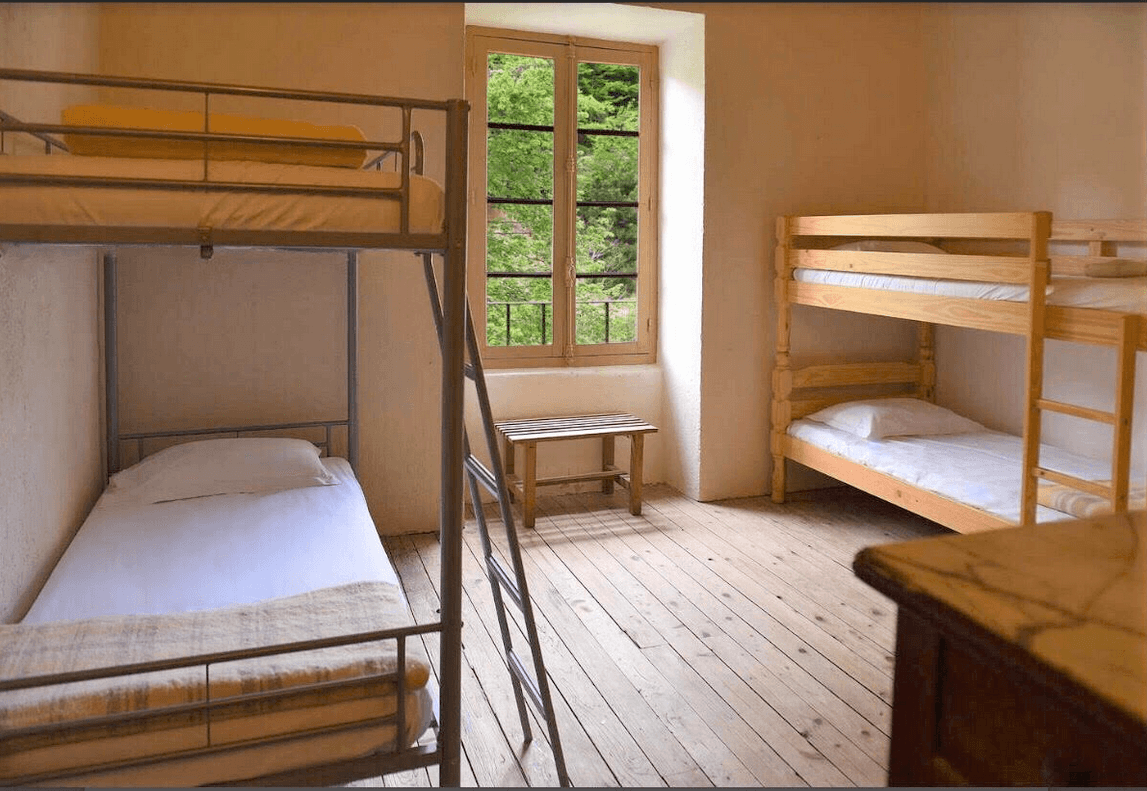
Vizzavona
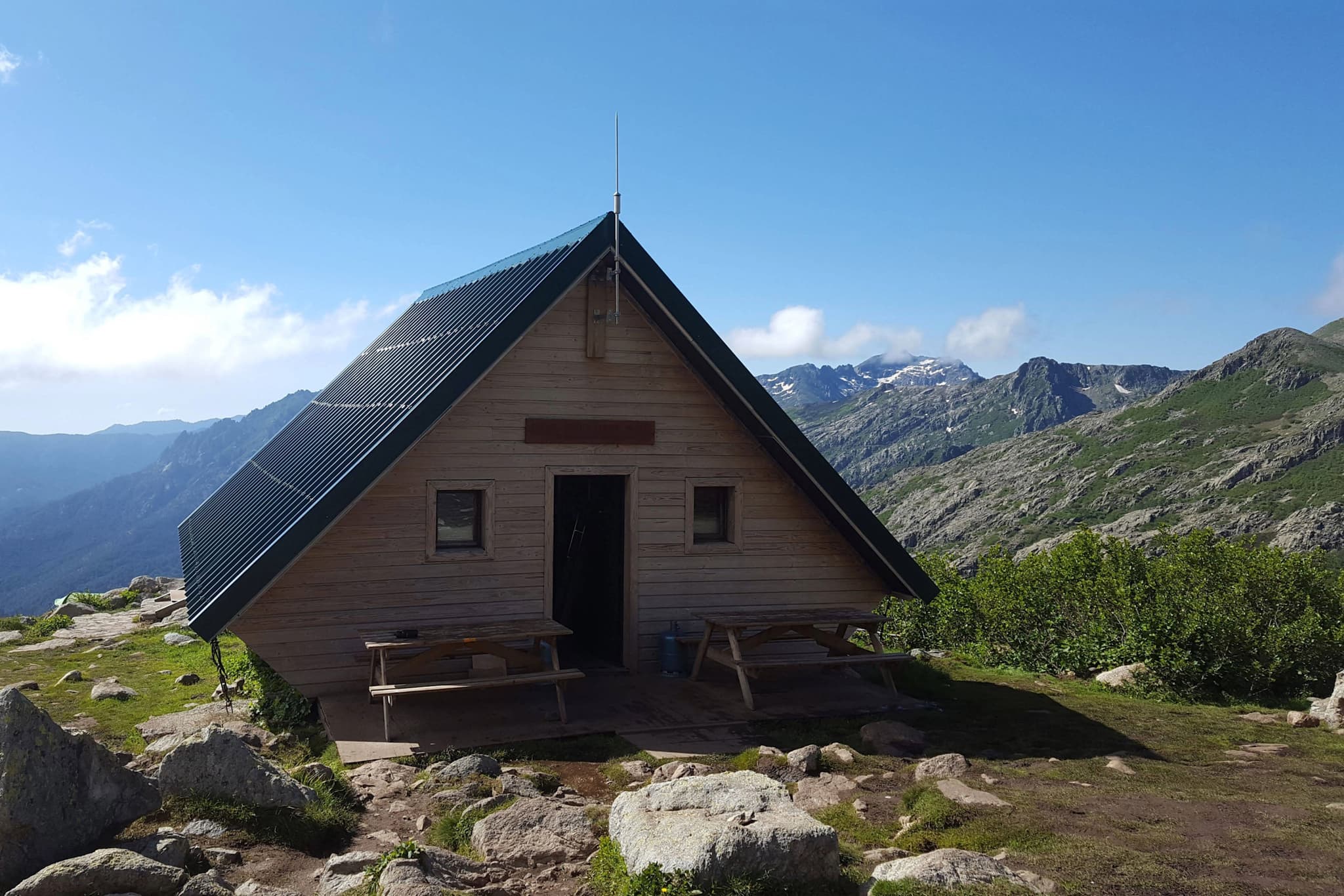
Along the GR20
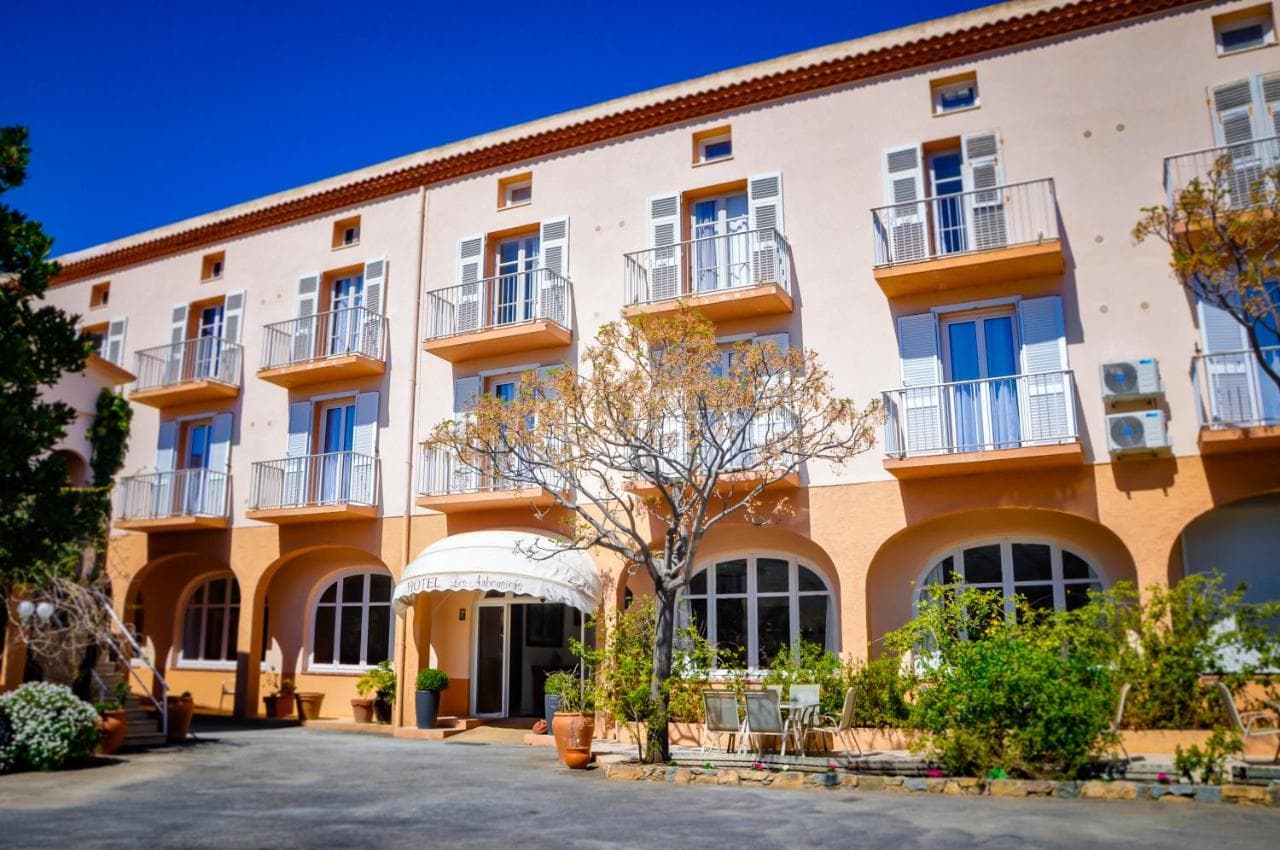
Calvi
What You'll Eat
You'll be eating breakfast and dinner at the various refuges that you stay at along the trail. The menus differ from day to day and from refuge to refuge, but expect to see various pasta dishes, sausages with lentils, charcuterie plates, Corsican sou…
Optional Extras
Equipment / Kit Hire
- Sleeping bag
- £22
- Trekking poles
- £14
Pre/Post Trip Accommodation
- Post trip accommodation in Calvi hotel (single room with breakfast)
- £95/per night
- Post trip accommodation in Calvi hotel (twin/double room with breakfast)
- £156/per night
- Pre trip accommodation in Vizzavona hotel (single/twin/double room with breakfast)
- £151/per night
Upgrades
Due to the nature of this trip staying in remote refuges throughout the trek, an optional private room upgrade is not possible on this adventure.
To request any extras, message your host via your Much Better Adventures account once you have booked your trip.
All extras must be paid before your trip starts.
Ratings & Reviews
4.411 reviews
- 2 stars (0)
Category rating
- Food
- 3.0
- Guides & crew
- 4.0
- Accommodation
- 4.0
- Itinerary
- 4.0
Latest Reviews
Customer Photos
Planning Kilimanjaro in 2027?
Get the ultimate guide to Africa's highest mountain
Before You Travel
What to Pack
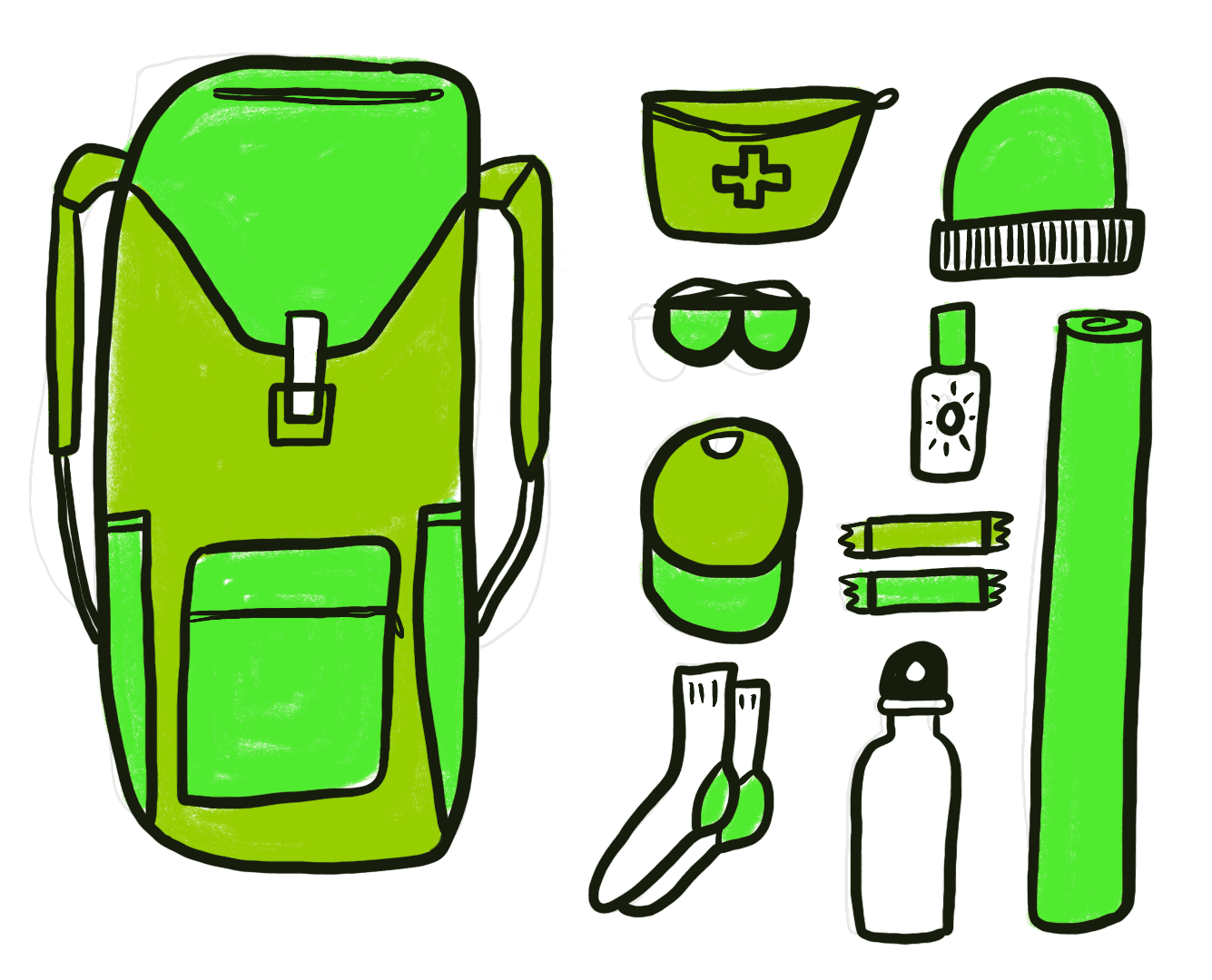
Know before you go! Some stuff we'll provide, other things you'll need to bring.
FAQs
How many guides and support crew will there be on my trip?
The group is led by an experienced, English-speaking International Mountain Leader.
Can I leave my excess luggage somewhere?
You can leave your main luggage with your host on the morning of Day 2. This will be kept securely, and the luggage transfer service will bring your luggage to you on the evenings of Day 4 and Day 6 for you to resupply your pack with fresh clothes, snacks and personal items as needed.
What do I do about drinking water?
The mountain refuges along the GR20 each have water supplies for you to refill from. However, some of the supplies cannot be guaranteed to be fully safe for consumption, and getting sick on the GR20 is definitely to be avoided. For that reason we advise caution and suggest all trekkers bring along water purification option. Have a read of our guide to the best water filters for adventurers (opens in new tab). This will also allow you to safely fill up from the many rivers and streams that you'll cross along the route. Fresh Corsican mountain water at its finest.
You may also wish to consider bringing along a hydropack system, compatible with your trekking backpack to allow you to sip water on the go. This saves you time and faff getting your water bottle out of your trekking pack. Of course bringing both a hydropack and a water bottle is a fine option to ensure you are carrying enough each day. It can get hot on the GR20 in peak summer, and there are sections with limited shade, so proper hydration is crucial.
Finally, we suggest bringing along electrolytes to add to your water supply to help you with the physical challenge.
What if things don't go to plan?
If there are poor conditions that affect any stage of this trek, your host knows the route extremely well and can cater to adjustments when needed. There are lower elevations variants that can be taken on certain sections, for example on the Vizzavona to Petra Piana. However, the route of the GR20 is at times the only one available, and if your guide deems the conditions to be too poor to continue, then a section may be skipped based on their judgement.
High altitude (over 2500m): what factors should I consider?
This trip visits locations at or above 2500m, where some people may experience symptoms of Altitude Sickness (opens in new tab), also known as Acute Mountain Sickness (AMS).
Previous experience at altitude doesn’t guarantee the same response again – your body can react differently on each trip. However, having been at altitude before is still valuable: it gives you a better understanding of how your body might respond, what symptoms to look out for, and how to manage your pace and energy levels.
Your guide is trained to manage the risk of altitude sickness by controlling the rate of ascent, monitoring group wellbeing, and responding appropriately if anyone feels unwell.
Before booking, we recommend considering your personal health, particularly if you have any pre-existing conditions, and consulting a medical professional if you’re unsure. Arriving early to allow your body to acclimatise can also make a big difference.
Your travel insurance must cover the maximum altitude reached on this trip and include emergency evacuation.
Hot climate: what factors should I consider?
This trip operates in areas where daytime temperatures can reach extreme highs, where limited shade and high humidity can also be a factor. These conditions can affect physical performance and increase the risk of dehydration or heat-related illness. Your guide will adjust the pace and monitor the group closely, but hydration, proper clothing, and sun protection are essential.
Before travelling, consider your ability to be active in high temperatures and consult a medical professional if you have concerns – especially if you have any cardiovascular or heat-sensitive conditions. Arriving a day or two prior to the trip may help you adjust gradually to the heat.
Can I book on my own?
Sure can! Over 70% of our travellers travel solo, it’s a great way to meet like-minded people.
Who is running the trip?
Our team of Adventure Hunters co-create exclusive adventures which are run by highly vetted, specialist hosts. The trip is run by our trusted host partner in the destination. We only work with independent, local, in-destination experts who know the very best places to explore and how to stay safe. Read more information about the local teams we partner with (opens in new tab). You’ll be introduced to the host straight after making a booking via the Much Better Adventures platform.
What is the official travel advice?
Much Better Adventures refer to the UK Government’s official travel advice when designing trips and monitoring trip operations. We recommend that all customers are familiar with the practical information provided on the Government’s FCDO website (opens in new tab), where current travel advice can be found by searching for the applicable destination(s).
For customers joining this trip from other international destinations – please also read the official travel advice applicable to your country of residence/origin, as this may differ.
What vaccinations do I need?
We recommend checking out the country-specific information (opens in new tab) and also talking to a travel nurse.
How are the trips priced?
We automatically convert prices from the local currency that a host receives to your chosen currency. We update our exchange rates on a daily basis so this does mean that prices displayed on the site are subject to currency fluctuations, which is why you may see them change over time.
If you wish to change the currency you pay in, head to the bottom of the page.
Why are your adventures only for adults?
All of our group adventures are specially designed for adults to enjoy as we want these adventures to bring together outdoorsy people who are truly like-minded. You must be over 18 to join one of our trips.
Who else will be on my trip?
You're always in good company on one of our adventures.
Our trips are typically made up of a mixture of solo travellers and small groups of 2 or 3 friends, with most in their 30s-50s.
Our sociable adventures are solo-friendly by design and naturally attract outdoorsy people with a shared mindset; a love for adventure, a desire to push themselves and meet awesome, like-minded people along the way.
It’s this camaraderie that has so often turned a great adventure into a life-changing one.
Don't just take our word for it:
- 95% of people rate the group dynamics on our trips 5/5
- 90% of people recommend joining a trip to make new friends
- 75% of people have met people on our trips that they would now consider friends
See here (opens in new tab) for more info about the Much Better Adventures tribe.
What's the weather like?
The GR20 experiences varying weather conditions between June and September. Here's what you can generally expect:
June: daytime highs range from 18°C to 25°C (64°F to 77°F) in the lower altitudes, cooler at higher elevations. Expect generally pleasant weather with dry conditions, with streams full from snowmelt and flowers in bloom.
July and August: temperatures increase from warm to hot, with highs between 25°C and 30°C (77°F to 86°F) in lower areas. Again the temperatures are cooler at high altitudes, however the sun can feel intense at peak summer. Days are dry and sunny, though sudden thunderstorms can occur especially in the afternoons. Your guide will keep constant eye on the forecast to plan ahead, including starting hikes early in the day to avoid the heat and potential storms.
September: things become more mild, with highs of 20°C to 25°C (68°F to 77°F) at lower elevations and nights are cooler. Weather conditions are clear and stable for most of the month, though rain and storms become more likely as the month progresses, so we don't run trips into late September for this reason.
Nighttime temperatures can be cold even in the height of summer, so bringing along a good 3-season sleeping bag is essential (with comfort rating of 0 degrees Celsius).
What's the carbon footprint for this trip?
We partner with the World Land Trust to ensure this trip achieves Net-Zero emissions. We also support their Buy an Acre programme, helping local communities to buy and protect natural habitats in perpetuity.
What's the number?
It works out on average at 103kg of CO2 emissions per person, including all local transport, accommodation, food, activities, guides, staff and office operations.
The only thing it doesn’t include right now is flights and travel to the destination. We do make an overall estimate across all our customers separately, but as we don’t book flights, have customers from all corners of the world, and no way of reliably knowing their travel plans, we simply can’t include an individual number in the figure on display here. We’ve got a goal to fix that, so that when you book, there is a way to measure and mitigate the carbon emitted by your flight too.
But what does the number mean?
Yep, hard to picture eh? To give you an idea:
- Driving 1000 miles/1609km would be approximately 281kg of CO2 in an average car (or 140.5kg per person, if there were two of you in it).
- A return economy class flight between London and New York would be approximately 1619kg (1.66 tonnes) per person.
- 10 trees in a temperate forest are estimated to remove approximately 250kg of CO2 from the air in a period of 5-10 years.
What are we doing about it?
Our trips are relatively low-carbon by design, and we're working with all our hosts to develop long term carbon reduction plans. We partner with the World Land Trust (opens in new tab) to ensure this trip achieves Net-Zero emissions. We also support their Buy an Acre (opens in new tab) programme, helping local communities to buy and protect natural habitats in perpetuity, ensuring the protection of the reserve and its wildlife.
Want to know more?
Amazingly, no international travel company has ever publicly published their carbon measurements before, as far as we know. We believe that must change, quickly. So we’re openly sharing the method we used in the hope that other companies will be able to more easily follow suit and build on what we've done so far. You'll find it all here (opens in new tab).
Want to Know More?
Ask our AI Assistant
Get instant answers about this adventure
Departure dates
Secure your spot
10% deposit to book (limited exceptions)
Pay in instalments, no interest or fees
Going solo?
Log in to see how many others are booking solo too
Don’t see a date you like?
Get an email alert when new dates are added for this trip
Subscribe to alertsWe've Got Your Back
Book with confidence and peace of mind.
Go private and split the bill with ease.
Forget complex logistics, we've taken care of all the details to ensure a hassle-free get together. All of the adventure, none of the faff.
Feeling adventurous? Here's £100 towards it.
Sign up to our newsletter and we'll email you a £100 code for your first trip. You'll also get weekly trip inspiration, expert advice and last minute deals.
Still Undecided? 🇬🇧 🇺🇸
A few other trips to tickle your fancy 🇬🇧 🇺🇸

Trek the Haute Route from Chamonix to Zermatt
9 nights from£2,895
Trek the Selvaggio Blu Trail in Sardinia
6 nights from£1,667
The Balkan 3 Peaks Challenge
6 nights from£1,233
Hut-to-Hut Trekking in the Pyrenees
7 nights from£1,619
Traverse the Julian Alps and Climb Mount Triglav (2864m)
6 nights from£1,802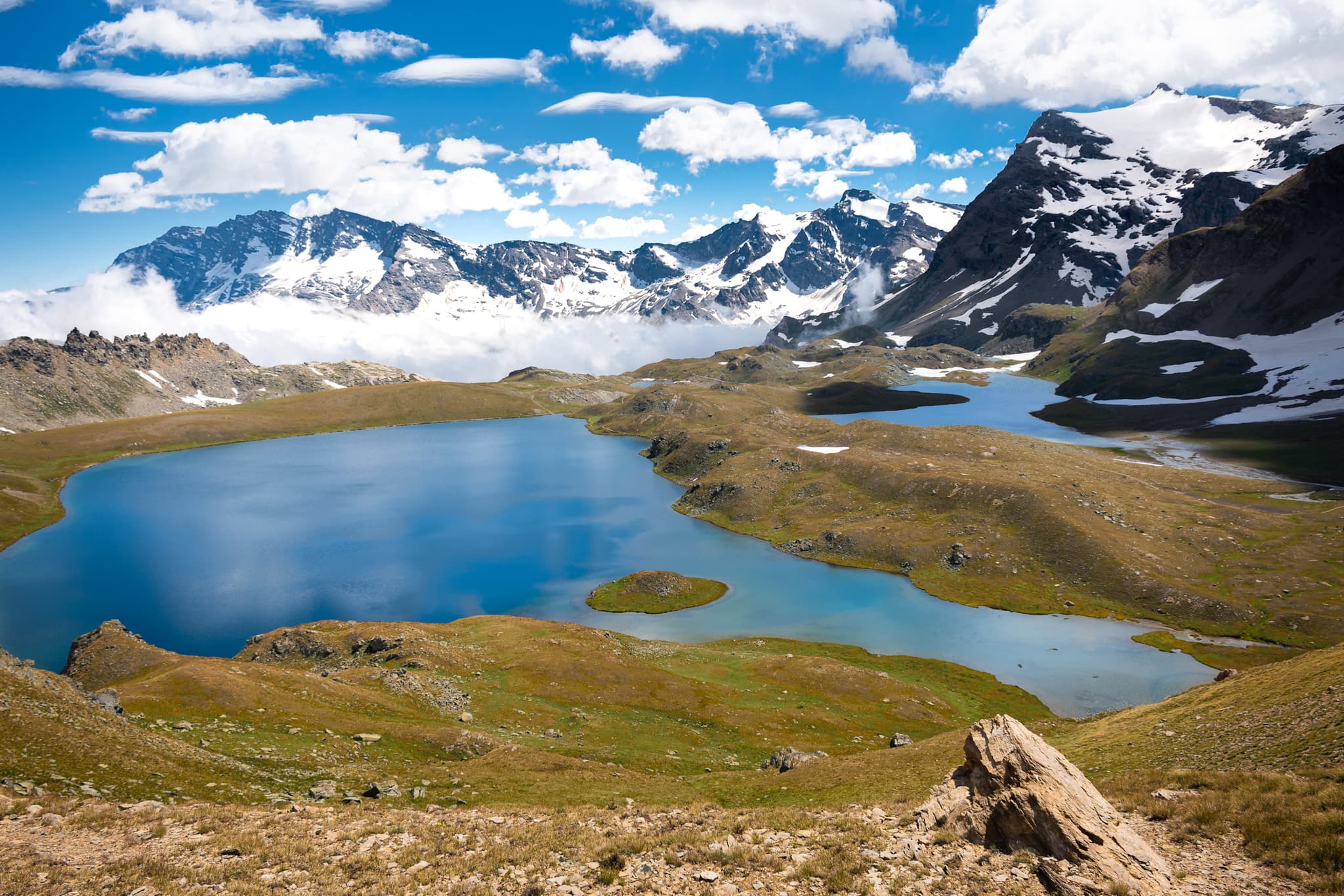
Hut-to-Hut Trekking in Italy's Gran Paradiso
7 nights from£1,918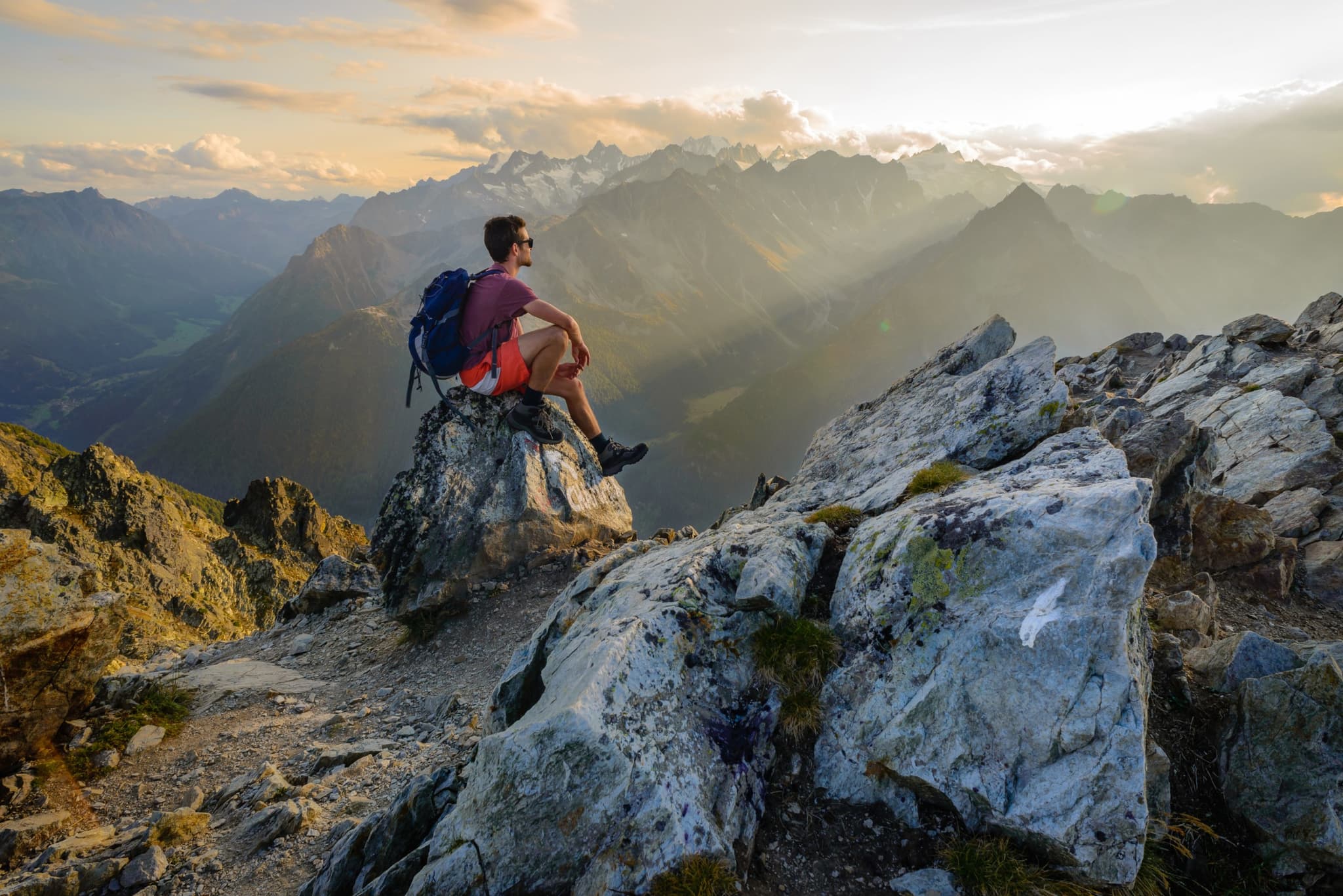
Trek the Haute Route in a Week
6 nights from£2,221
Trek the Tour du Mont Blanc: The Full Circuit
9 nights from£2,185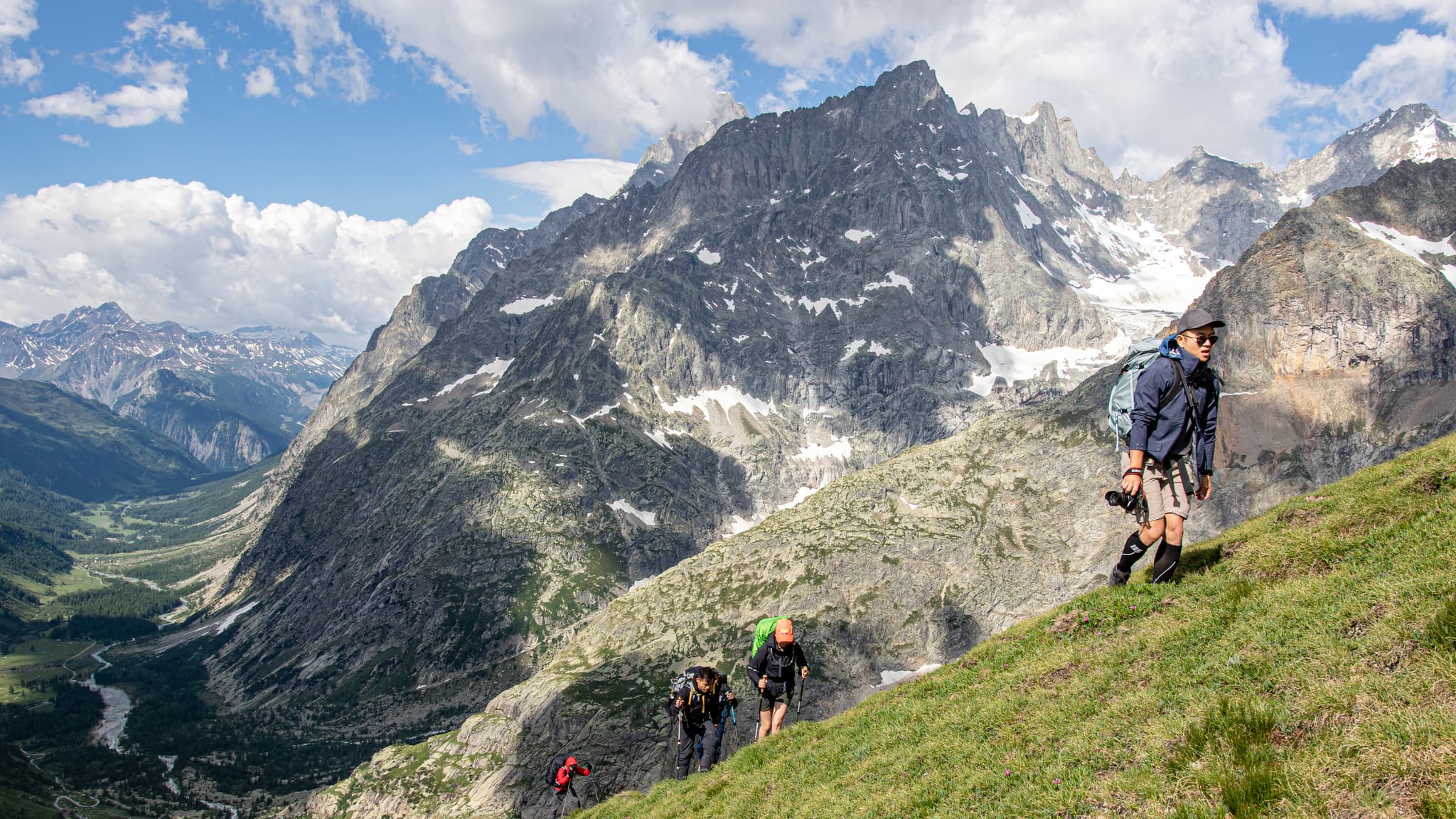
Trek the Tour du Mont Blanc in a Weekend: The Hut-to-Hut Edition
3 nights from£921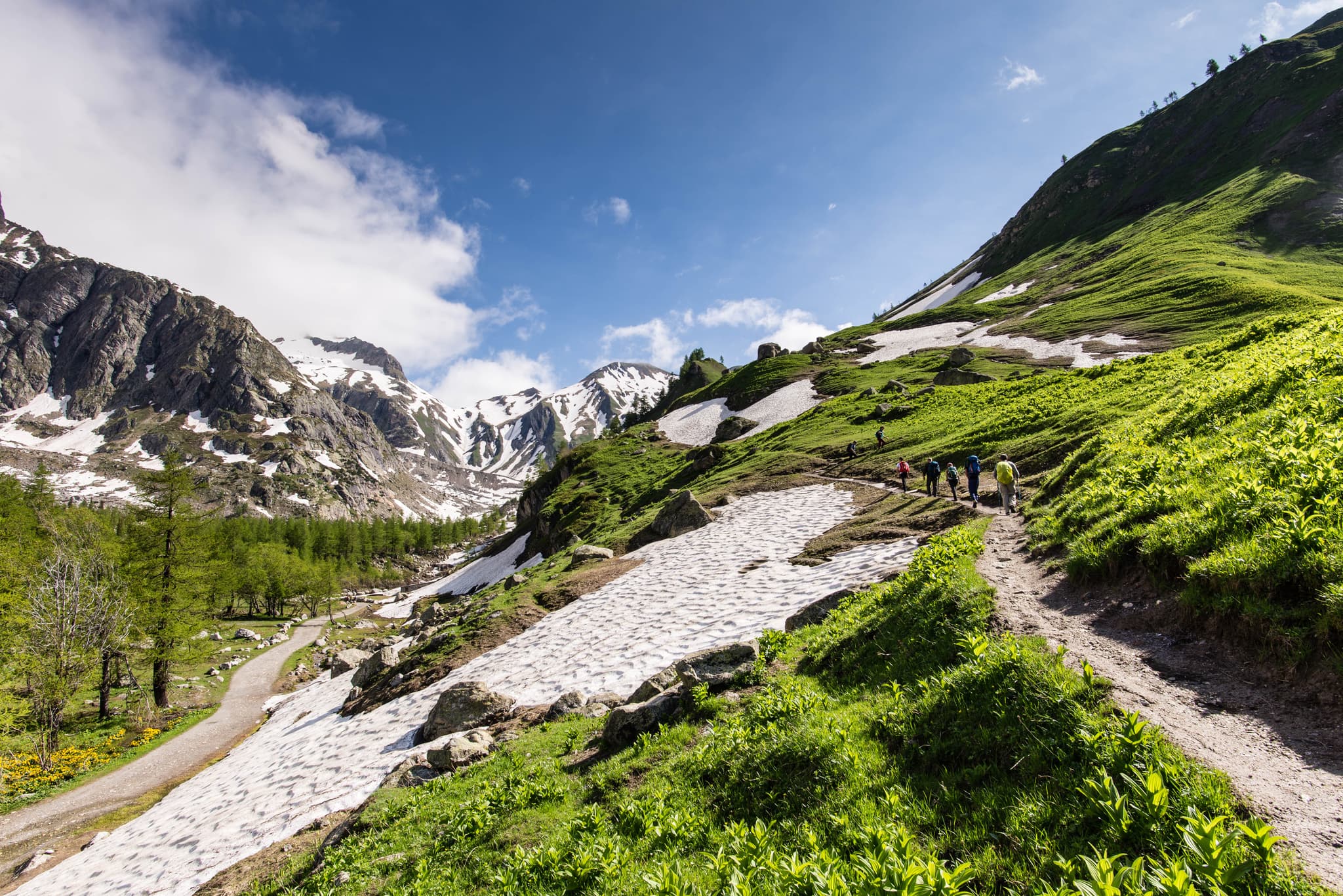
Trek the Tour du Mont Blanc in a Week
6 nights from£1,621