

4.9
Intro to Rock Climbing and Via Ferrata in Spain
- Spain
- 4 nights
Learn to climb and navigate via ferratas alongside expert guides on pristine limestone walls in the Sierra de Aitana
What's Included?
- Activities & Certified GuidesAll itinerary activities with expert, local, English-speaking climbing and via ferrata guides
- Accommodation4 nights in a family-run pensión
- MealsAll breakfasts, lunches and dinners
- TransfersAirport transfers and everything in between
- EquipmentAll of your climbing & via ferrata gear
- Maximum group size: 10Join small n’ sociable groups of like-minded, active and outdoorsy people – designed to be solo-friendly
Fromexcluding flights
Highlights
Escape to mountains by the Costa Blanca to learn and improve your rock climbing skills, nailing essential techniques like top-roping, abseiling and self-rescue
Traverse some of Spain’s most dizzying routes along dramatic rock formations, featuring slack lines, steep sky ladders and Tibetan bridges
Hike and scramble your way to the summit of Monte Ponoch, tackling its classic via ferrata for breathtaking views across the Mediterranean
Itinerary
Day 1
To the Aitana massif
PensionTwin shareDinner includedShow Day 1 detailHide detail
Touch down in Alicante, meet your host at the airport, and enjoy the scenic transfer through the Guadalest Valley en route to your base for the trip, a family-run pensión. Settle in and dig into some tapas with your guides, and maybe head out on a short hike to Guadalest to stretch your legs. Your guides will talk you through the adventure to come and give a briefing on the climbing equipment and some initial rope skills. This evening there will be a welcome dinner at the pensión where you can tuck into home-cooked dishes and local wines.
Day 2
To the crag
PensionTwin shareAll meals includedShow Day 2 detailHide detail
The climbing gets underway this morning, with a short drive to the crag, set in the stunning Sierra de Aitana. Your guide will organise the equipment, give you a full run-through of safety considerations, and get you warmed up. In teams you'll climb a variety of routes on a top rope, starting on easy routes followed by some abseiling techniques, learning communication protocols and self-rescue manoeuvres. Top rope is a very safe way of climbing and the perfect introduction method. If you were to fall from a route or need a rest, you simply hang from the rope at the point of the fall, where you can either resume the climb or be lowered to the bottom. The selected routes are all suitable to try out as a beginner and range from very easy up to intermediate grades. Most of the routes have plenty of good hand and footholds, but as you go up the grades your strength, technique and route planning will be tested. Pause for a picnic lunch and cold drinks from a nearby mountain hut before pushing your skills further in the afternoon, finally wrapping up with a sundowner as the sun sets behind the Bernia ridge. Then it’s back to the pensión for dinner and some well-earned rest after an epic first day.
Day 3
Epic day of Via Ferrata action
PensionTwin shareAll meals includedShow Day 3 detailHide detail
Enjoy breakfast at the pensión before driving down towards the south of Alicante province to experience the two most popular via ferratas in this part of Spain. Their popularity stems from the quality of the installation and the varied sections of progress they offer along the ascent, with wooden bridges, slack lines, steep sky ladders, Tibetan bridges, and traverses on a series of dramatic rock formations. After tackling these two, you'll head to the nearby villages of Callosa and Redovan where more via ferratas await with four different sections to choose from according to personal and group abilities. You can start with a K2 level to warm up, moving on to a K3 section which is still doable for the vast majority of people, but the exposure to heights increases. There is an optional K4 level if you want to test yourself on the exciting upper section of the Redovan ferrata. (See the FAQs below for information on how via ferratas are graded) Finally, enjoy a drink in this authentic village before heading back to the pension for a well-deserved dinner.
Day 4
Summit Monte Ponoch in the Aitana mountains
PensionTwin shareAll meals includedShow Day 4 detailHide detail
No need to drive anywhere this morning, as today's mission kick starts straight from the pensión. You'll be tackling a classic ascent to reach the summit of Monte Ponoch, known as 'The Sleeping Lion' mountain. After hiking towards the base from the pensión, you'll navigate the via ferrata on Monte Ponoch's southeast face; 280 metres of almost vertical but perfectly protected via ferrata following an old classic route opened by British climbers back in the 1950s. With a combination of via ferratas and scrambling to reach the summit you're rewarded with breathtaking views over this part of the Costa Blanca. Hike back down, completing a true mountaineering day out putting in practice all the skills learned on the previous days. For those looking for an extra hit of adrenaline, there is an additional scramble to reach a 55 metre abseil as part of the descent. Tonight you'll head out to dinner at a local restaurant for a farewell meal and drinks to toast the end of an awesome trip.
Day 5
Time to bid farewell
Breakfast includedShow Day 5 detailHide detail
The adventure comes to an end today, after one last breakfast overlooking the Sierra from the terrace. Your host will then transfer you back to the airport in Alicante around midday.
Practical Stuff
Getting There
- Nearest airport
- Alicante International Airport (ALC)
- Pick up
- Alicante Airport (ALC)
15:00 Day 1 - Drop off
- Alicante Airport (ALC)
12:00 on Day 5
This Trip is Graded Level 5
- Level 5
Challenging
Made for those who seek to push themselves and embrace the outdoors
- How much activity is involved?
Very active days, usually seven to eight hours long
This is an action-packed trip, so you'll need to be happy being out for the majority of the day, either at the crag for climbing or on the via ferratas. This trip will test yo...
- Right level, wrong trip?
Browse all our Challenging trips
Your next adventure is out there

 Not sure which level is right?
There's a level for everyone – find your match
What is and isn't Included?
What's included
- Introductory briefing on climbing equipment and rope skills
- A day of guided top-rope climbing, with expert guidance on abseiling techniques, communication protocols and self-rescue manoeuvres (routes suitable for beginners ranging up to intermediate grades)
- Guided traverse of several different via ferratas, ranging from level K1 to K4
- Guided hike, scramble and via ferrata route to summit Monte Ponoch
- Expert, local, English-speaking rock climbing guides
- Expert guides on a 1:3 guide-to-climber ratio for the via ferratas
- 4 nights in an authentic, cosy, family-run pensión
- 4 buffet breakfasts
- 3 picnic lunches
- 4 traditional, home-cooked Spanish dinners, paired with local wines
- Group arrival transfer from Alicante Airport on Day 1
- Group departure transfer to Alicante Airport on Day 5
- Transfers during the trip
All of your rock climbing and Via Ferrata equipment, as follows:
- Harness
- Helmet
- Lanyard
- Slings
- Screw gate carabiners
What's not included
Our trips do not include flights, trains or other travel to the start point and back from the end point.
Tips are not included in the trip cost; these are entirely at your discretion. If you would like to tip, the amount should be reflective of your perception of service and quality.
You know your own spending habits best, so please budget an appropriate amount for things like optional meals and drinks, shopping and laundry.
Travel insurance is compulsory for all of our adventures and you are required to provide your policy information before departing. Your insurance should include adequate protection for overseas medical treatment, evacuation/repatriation, your baggage and equipment and the specific activities involved on your adventure. We also strongly recommend it includes cancellation and curtailment insurance, should you be unable to join your trip for specific reasons such as illness. Our recommended travel insurance provider is Campbell Irvine (opens in new tab), as their insurance offers all of the above.
Visa requirements often change, and you are responsible for obtaining any required visas for this trip. Please check with your nearest embassy or consulate for up-to-date advice.
Where You'll Stay
Looking for a private room? See Optional Extras for details and pricing.
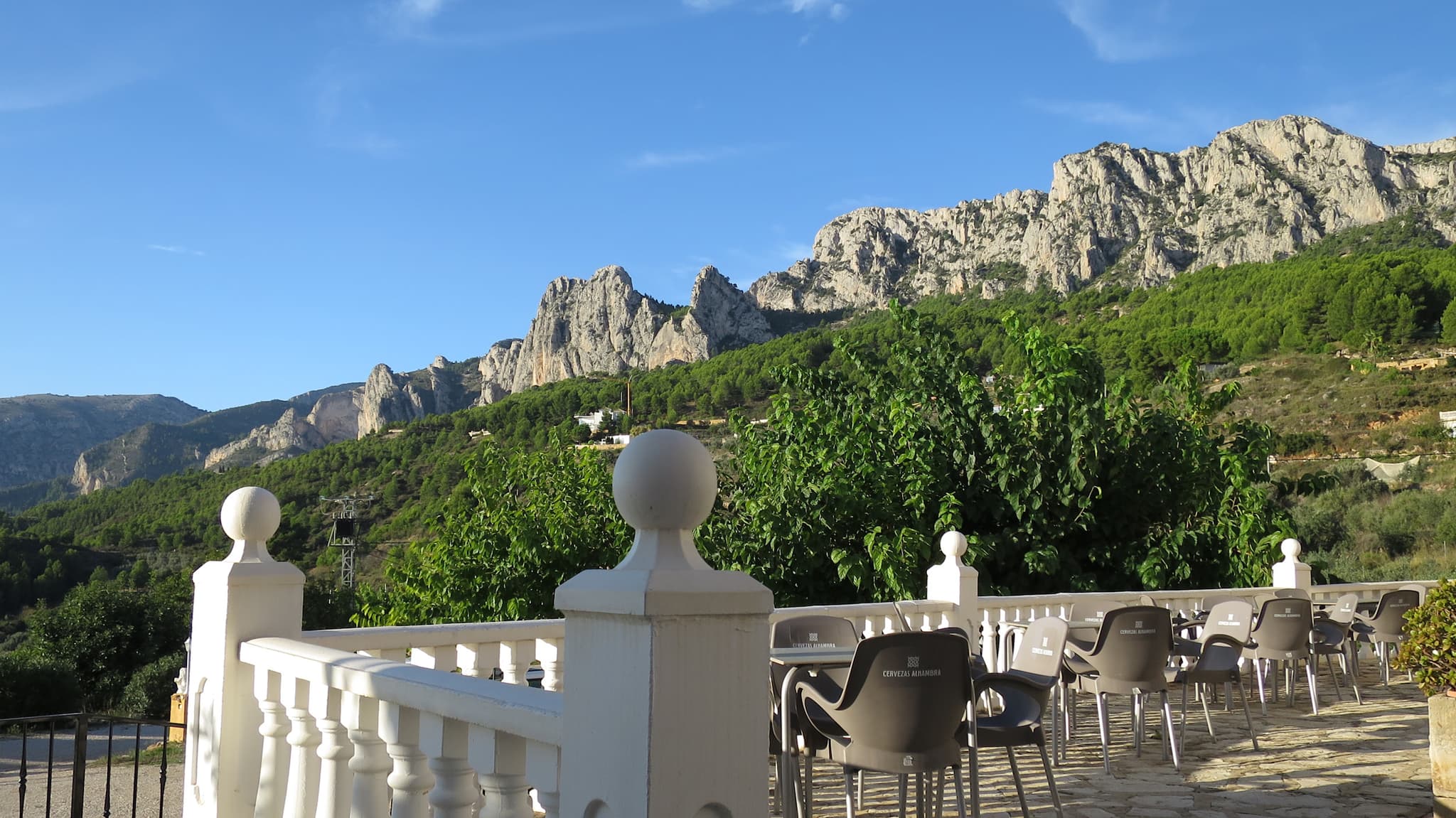
Pensión Rincon de Pepe
What You'll Eat
Tuck into hearty breakfast buffets on the terrace at the pensión each morning, with fresh local orange juice, cereals, bread, cold meats, manchego cheese, and homemade cakes, plus local seasonal produce such as tomatoes, olives and avocados. Lunches…
Optional Extras
Upgrades
- Optional Private Room Upgrade
- £97
For solo travellers looking for their own space, an optional private room throughout the trip can be booked for an extra charge - see Optional Extras for prices. Please note that private room upgrades are subject to availability, so please request this at the time of booking.
Transfers
- Private airport transfer - each way
- £107
To request any extras, message your host via your Much Better Adventures account once you have booked your trip.
All extras must be paid before your trip starts.
Ratings & Reviews
5.045 reviews
- 3 stars (0)
- 2 stars (0)
- 1 star (0)
Category rating
- Food
- 5.0
- Guides & crew
- 5.0
- Accommodation
- 5.0
- Itinerary
- 5.0
Latest Reviews
Customer Photos
Before You Travel
What to Pack
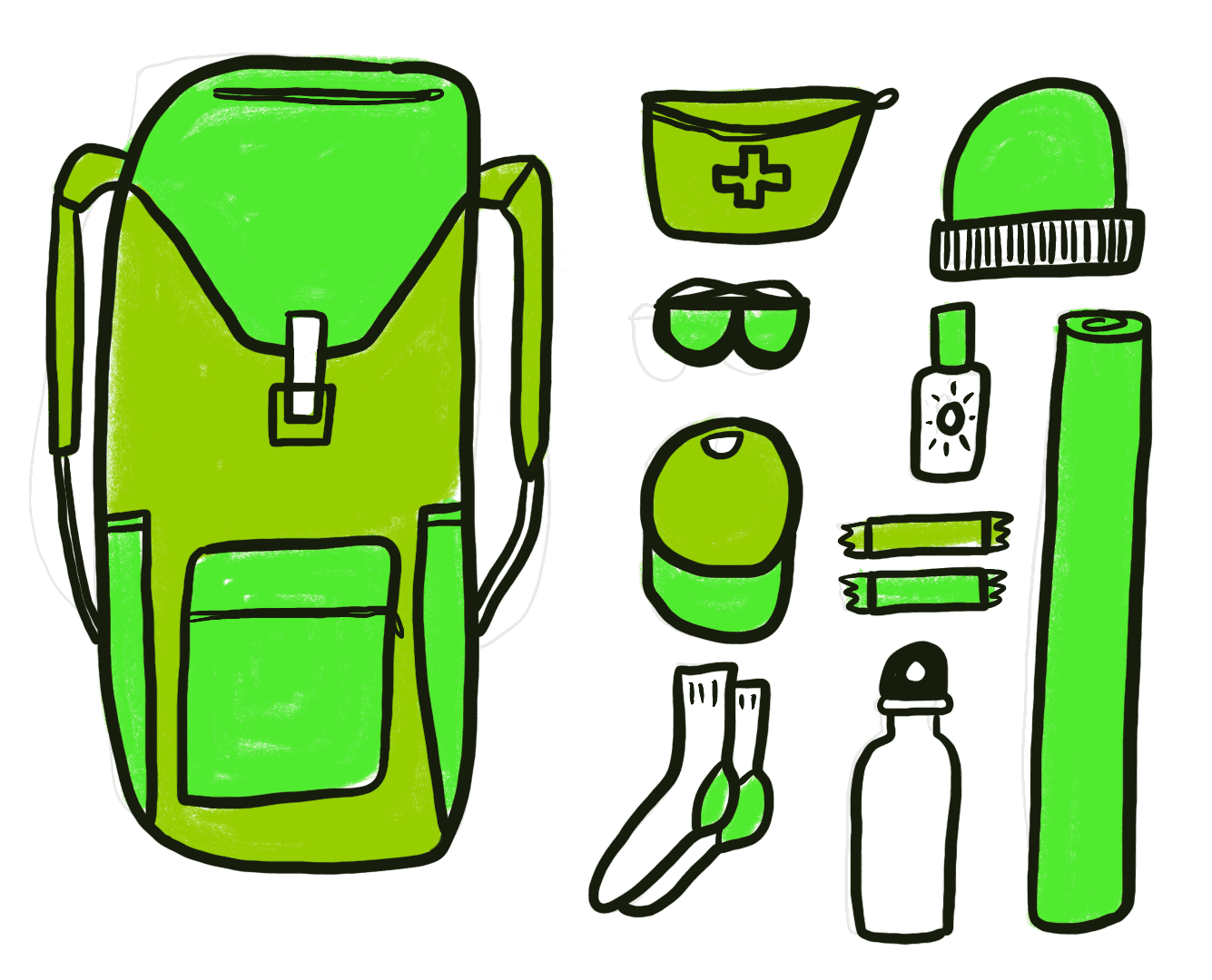
Know before you go! Some stuff we'll provide, other things you'll need to bring.
FAQs
How are via ferratas graded for difficulty?
In Europe, via ferrata routes are graded based on their difficulty, with factors such as physical demands, exposure and technical skill required. Although there are variations in grading systems depending on the country, we use the Hüsler scale, named after the Swiss alpinist Eugen E. Hüsler. This is a widely used grading system across Europe. It ranges from K1 (easy) to K6 (extreme). "K" stands for "Klettersteig", the German word for via ferrata. The grades in this system are as follows:
-
K1 (Easy) Suitable for beginners. Mostly walking with short, protected sections. Few vertical sections, minimal exposure. Requires little to no climbing skills.
-
K2 (Moderate) Some short steep sections. May have a few vertical climbs with steel rungs or holds. Protection is good, with ropes or ladders. Minimal exposure.
-
K3 (Somewhat Difficult) Longer, more vertical sections. Increased exposure but still well protected. Requires good physical condition and head for heights.
-
K4 (Difficult) Steep and sustained vertical sections. High exposure. Requires good upper body strength and climbing skills. Sometimes fewer artificial holds.
-
K5 (Very Difficult) Very steep, sustained vertical or overhanging sections. High exposure with more demanding technical climbing moves. Limited artificial holds and protection. Requires excellent physical fitness and climbing experience.
-
K6 (Extremely Difficult) Extremely exposed, vertical or overhanging sections. Demands significant upper body strength and technical climbing skills. Few or no artificial holds, making the route very challenging. Best suited for expert climbers.
This trip goes up to a maximum of K4, which can be attempted on the upper section of the ferrata de Redovan. This section is optional, leaving the rest of the trip spread across K1, K2 and K3 sections.
What is the climbing day at the crag like?
You'll spend most of the day at the crag, heading there after breakfast a quick 10 minute drive from your pensión. You'll have 3-4 climbing guides depending on the group size, your guides will give you a run-through of the climbing manoeuvres and techniques that you'll be doing and will set up rope lines for the group to practice on, with varying levels of difficulty to cater to different ability levels within the group. In teams you'll practice rope climbing (top rope), followed by some abseiling techniques. Top rope is a very secure and safe way of climbing and is the perfect introduction method. If you were to fall from a route or need a rest, you simply hang from the rope at the point of the fall, where you can either resume the climb or be lowered to the bottom. You'll also learn communication protocols and self-rescue manoeuvres, and your guides are on hand at all times to help you with your technique and to step in if you get stuck at any point. The day is structured loosely to give you plenty of rest in between bursts of effort while testing yourself on the different routes at the crag. There is a mountain hut a short walk away where you can have a rest and grab drinks, or you can rest up at any point of the day at the crag watching your fellow adventurers attempt routes on the wall. The group will break for a leisurely picnic lunch, and there will also be sundowner drinks watching the sunset over the Aitana range. In total you'll likely be actually climbing for 3-4 hours depending on how you feel. You are welcome to do as much or as little as you like.
The selected routes are all suitable to try out as a beginner and range from very easy up to intermediate grades. Most of the routes have plenty of good hand and footholds, but as you go up the grades your strength, technique and route planning will be tested. Your guides will keep you updated with which grade route you are trying at any time, and will assess at all times which ones you are capable of tackling.
What sort of climbing shoes will I need?
You will need to bring your own climbing shoes. If you don't have a pair already, these can be bought for around £30 from Decathlon or similar. You should buy those that fit comfortably in the shop - don't follow advice for them to be extra tight or a smaller shoe size than you would normally wear - your feet will swell with the heat on the trips in early Autumn and late Spring on this trip anyway, so finding a pair that fit like normal shoes and no tighter is important.
What if things don't go to plan?
In the rare event in this part of Spain where the conditions affect the ability to climb or do via ferratas, your host knows the area incredibly well and can pivot to alternative activities. If for example, conditions on Monte Ponoch don't allow for the summit to be safely reached, you may do an extra half day climbing at the crag after a hike lower down in the mountain.
What do I do about drinking water?
The tap water in Alicante province in Spain is safe to drink. You can fill up at the pension throughout your stay, taking bottles to the climbing crag and with you to the via ferrata excursions. We recommend bringing along 2 litres worth of carrying capacity in reusable water bottles and/or bladders.
How many guides and support crew will there be on my trip?
You'll be part of a small group of up to 10 adventurous people. There will be two main guides for the climbing day at the crag, and a ratio of one guide for every five customers for the via ferrata excursions.
Can I leave my excess luggage somewhere?
This trip has a single-centre base, so your luggage can remain with you in your room while you head off for adventures each day.
How much should I tip?
Tips are not included in the trip cost. These are entirely at your discretion and are non-compulsory on this trip. Of course, if you feel that your guides provided an exceptional experience then you are welcome to tip as much as you feel is appropriate. You should factor in tipping 10% on top of the bill in any bars and restaurants during the trip.
Can I book on my own?
Sure can! Over 70% of our travellers travel solo, it’s a great way to meet like-minded people.
Who is running the trip?
Our team of Adventure Hunters co-create exclusive adventures which are run by highly vetted, specialist hosts. The trip is run by our trusted host partner in the destination. We only work with independent, local, in-destination experts who know the very best places to explore and how to stay safe. Read more information about the local teams we partner with (opens in new tab). You’ll be introduced to the host straight after making a booking via the Much Better Adventures platform.
What is the official travel advice?
Much Better Adventures refer to the UK Government’s official travel advice when designing trips and monitoring trip operations. We recommend that all customers are familiar with the practical information provided on the Government’s FCDO website (opens in new tab), where current travel advice can be found by searching for the applicable destination(s).
For customers joining this trip from other international destinations – please also read the official travel advice applicable to your country of residence/origin, as this may differ.
What vaccinations do I need?
We recommend checking out the country-specific information (opens in new tab) and also talking to a travel nurse.
How are the trips priced?
We automatically convert prices from the local currency that a host receives to your chosen currency. We update our exchange rates on a daily basis so this does mean that prices displayed on the site are subject to currency fluctuations, which is why you may see them change over time.
If you wish to change the currency you pay in, head to the bottom of the page.
Why are your adventures only for adults?
All of our group adventures are specially designed for adults to enjoy as we want these adventures to bring together outdoorsy people who are truly like-minded. You must be over 18 to join one of our trips.
Who else will be on my trip?
You're always in good company on one of our adventures.
Our trips are typically made up of a mixture of solo travellers and small groups of 2 or 3 friends, with most in their 30s-50s.
Our sociable adventures are solo-friendly by design and naturally attract outdoorsy people with a shared mindset; a love for adventure, a desire to push themselves and meet awesome, like-minded people along the way.
It’s this camaraderie that has so often turned a great adventure into a life-changing one.
Don't just take our word for it:
- 95% of people rate the group dynamics on our trips 5/5
- 90% of people recommend joining a trip to make new friends
- 75% of people have met people on our trips that they would now consider friends
See here (opens in new tab) for more info about the Much Better Adventures tribe.
What's the weather like?
Costa Blanca is the most visited winter climbing destination in Europe for a good reason. The winters here are some of the mildest on the continent, with climbers from all over Europe flocking to the Costa Blanca over the years to continue climbing in the winter months. The Aitana Massif is uniquely influenced by its combination of mountainous terrain and proximity to the Mediterranean Sea.
October to November: The onset of Autumn brings milder conditions, with the odd rainy day but still plenty of sun. Daytime temperatures range between 15°C to 25°C (59°F to 77°F).
December to February: This is the coldest period, with occasional snow on the higher peaks of the Aitana Massif. In the valleys, daytime temperatures hover between 10°C to 18°C (50°F to 64°F).
March to May: Spring gradually brings longer days and more sunshine, and the weather becomes drier. By May, the conditions are usually very summery with long stretches of sunny weather. Daytime temperatures rise steadily from 15°C to 23°C (59°F to 73°F) in March, reaching 18°C to 27°C (64°F to 81°F) by May. Nights are still cool in March but become warmer by late spring.
What's the carbon footprint for this trip?
We partner with the World Land Trust to ensure this trip achieves Net-Zero emissions. We also support their Buy an Acre programme, helping local communities to buy and protect natural habitats in perpetuity.
What's the number?
It works out on average at 37kg of CO2 emissions per person, including all local transport, accommodation, food, activities, guides, staff and office operations.
The only thing it doesn’t include right now is flights and travel to the destination. We do make an overall estimate across all our customers separately, but as we don’t book flights, have customers from all corners of the world, and no way of reliably knowing their travel plans, we simply can’t include an individual number in the figure on display here. We’ve got a goal to fix that, so that when you book, there is a way to measure and mitigate the carbon emitted by your flight too.
But what does the number mean?
Yep, hard to picture eh? To give you an idea:
- Driving 1000 miles/1609km would be approximately 281kg of CO2 in an average car (or 140.5kg per person, if there were two of you in it).
- A return economy class flight between London and New York would be approximately 1619kg (1.66 tonnes) per person.
- 10 trees in a temperate forest are estimated to remove approximately 250kg of CO2 from the air in a period of 5-10 years.
What are we doing about it?
Our trips are relatively low-carbon by design, and we're working with all our hosts to develop long term carbon reduction plans. We partner with the World Land Trust (opens in new tab) to ensure this trip achieves Net-Zero emissions. We also support their Buy an Acre (opens in new tab) programme, helping local communities to buy and protect natural habitats in perpetuity, ensuring the protection of the reserve and its wildlife.
Want to know more?
Amazingly, no international travel company has ever publicly published their carbon measurements before, as far as we know. We believe that must change, quickly. So we’re openly sharing the method we used in the hope that other companies will be able to more easily follow suit and build on what we've done so far. You'll find it all here (opens in new tab).
Want to Know More?
Ask our AI Assistant
Get instant answers about this adventure
Departure dates
Secure your spot
10% deposit to book (limited exceptions)
Pay in instalments, no interest or fees
Going solo?
Log in to see how many others are booking solo too

Don’t see a date you like?
Get an email alert when new dates are added for this trip
Subscribe to alertsWe've Got Your Back
Book with confidence and peace of mind.

Go private and split the bill with ease.
Forget complex logistics, we've taken care of all the details to ensure a hassle-free get together. All of the adventure, none of the faff.
Feeling adventurous? Here's £100 towards it.
Sign up to our newsletter and we'll email you a £100 code for your first trip. You'll also get weekly trip inspiration, expert advice and last minute deals.
Still Undecided? 🇬🇧 🇺🇸
A few other trips to tickle your fancy 🇬🇧 🇺🇸
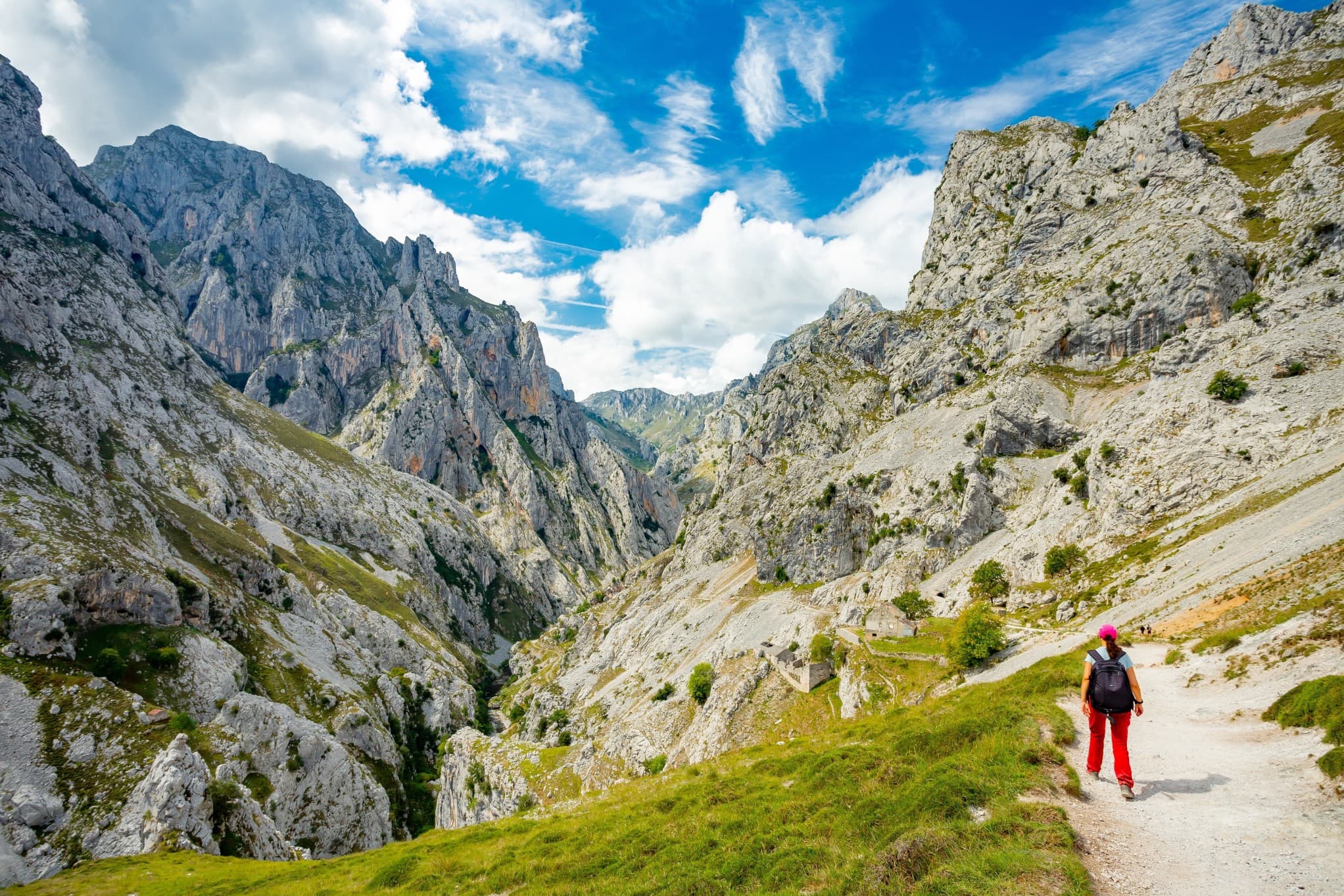
Hut-to-Hut Trekking in the Picos de Europa
6 nights from£1,049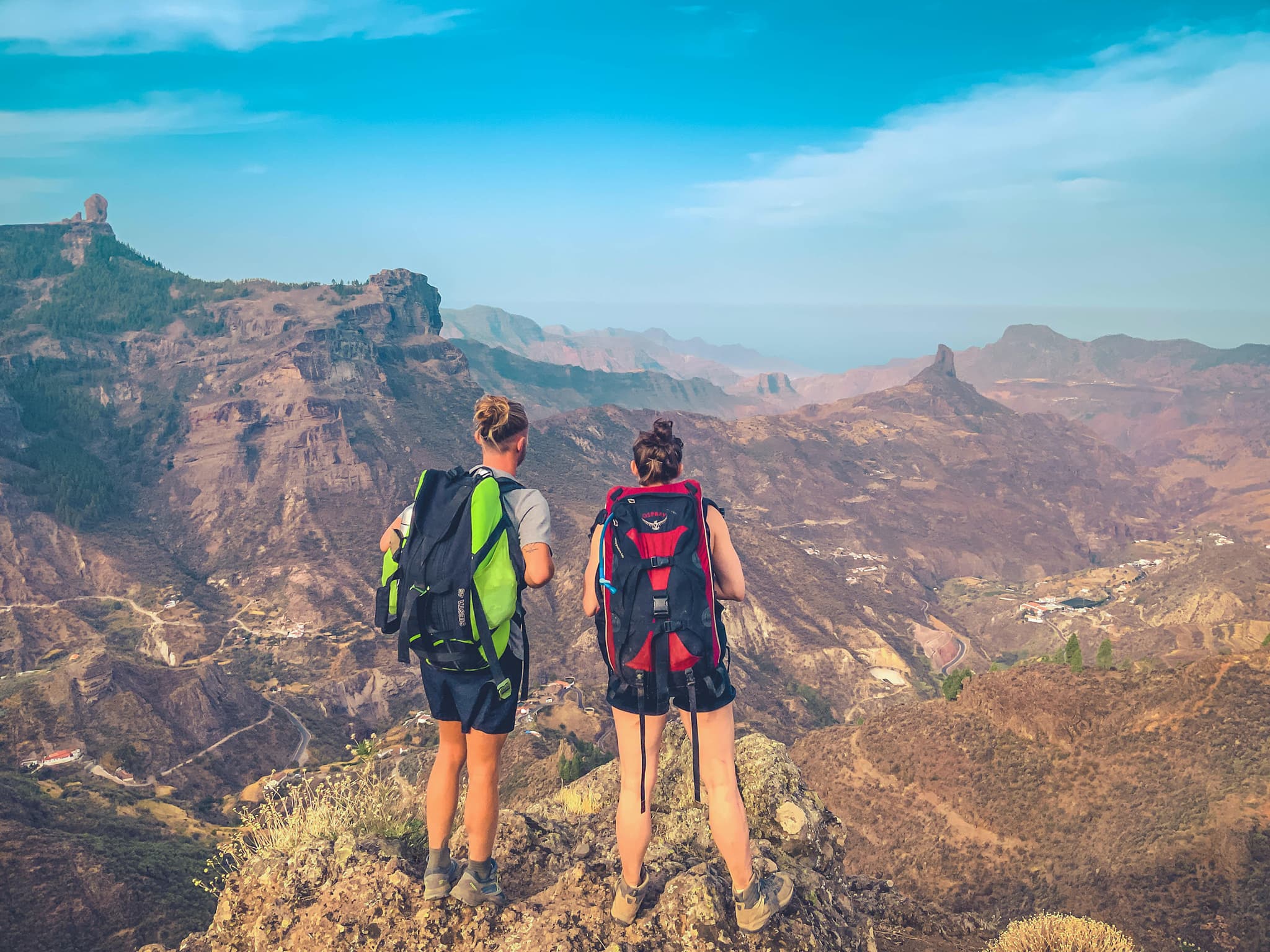
Hike The Volcanic Island of Gran Canaria
5 nights from£1,274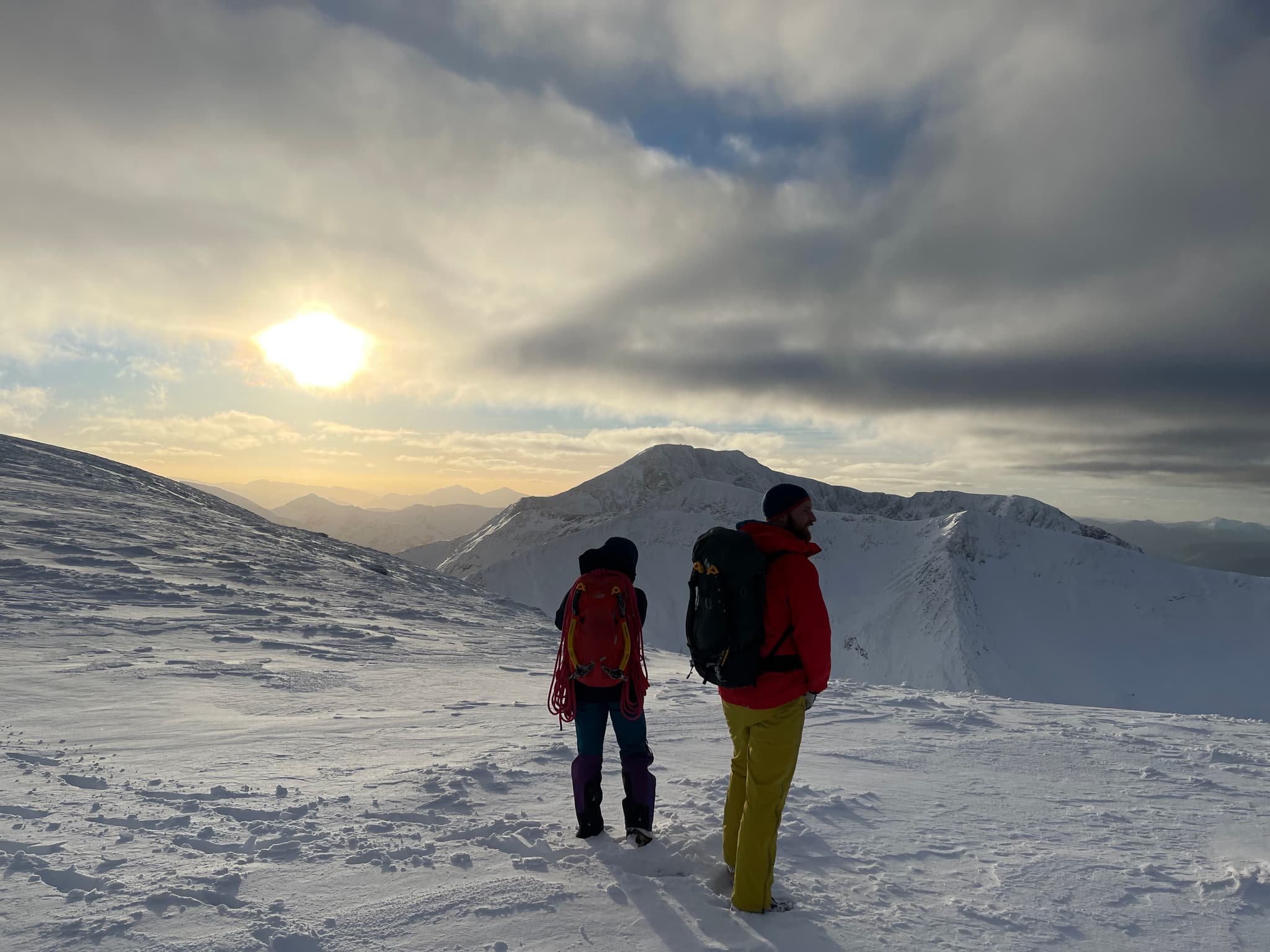
Summit Ben Nevis and Learn Winter Mountain Skills
2 nights from£515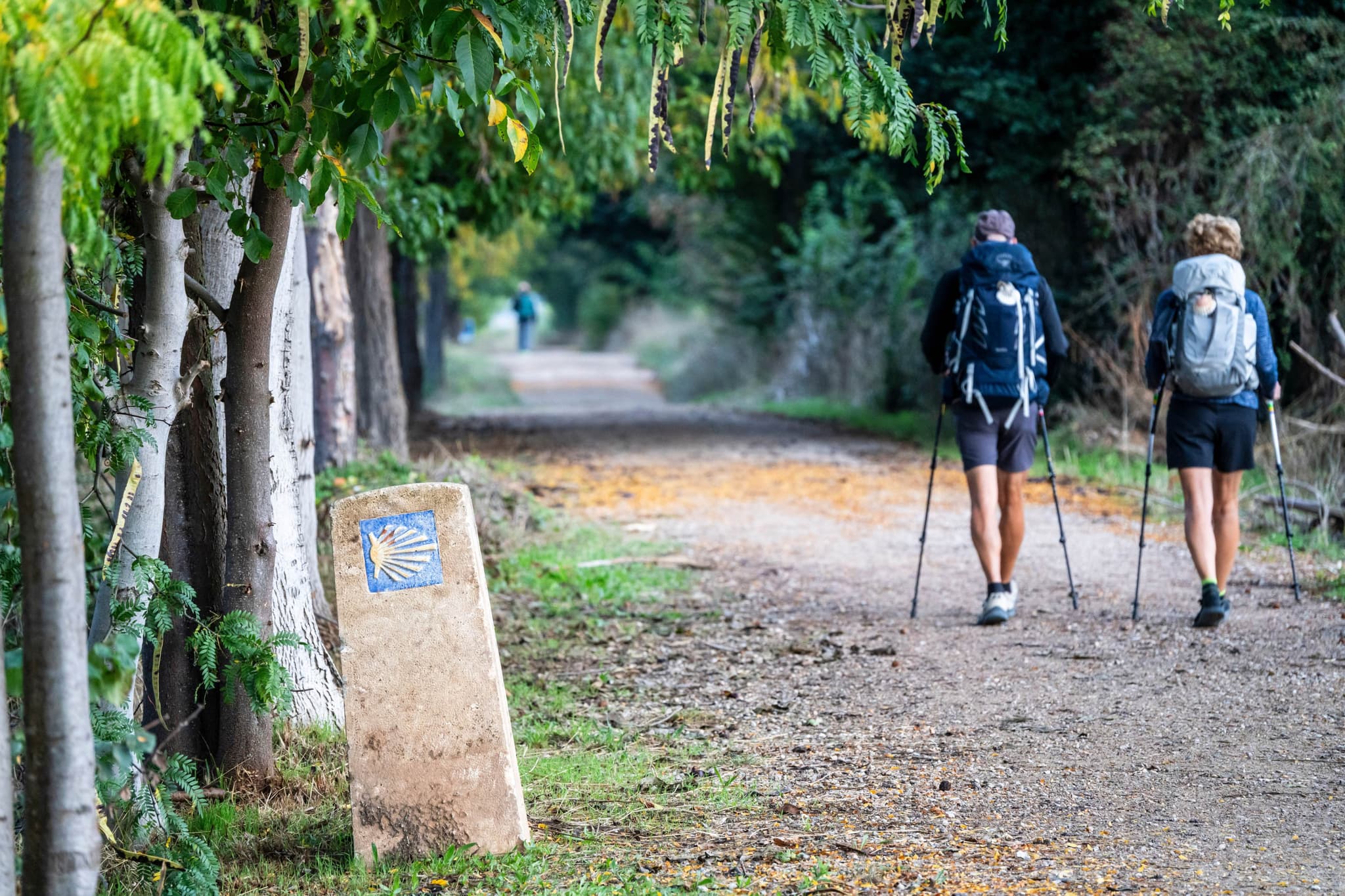
Hike the Camino de Santiago in Spain
6 nights from£1,402
Trek the Tour du Mont Blanc: The Full Circuit
9 nights from£2,185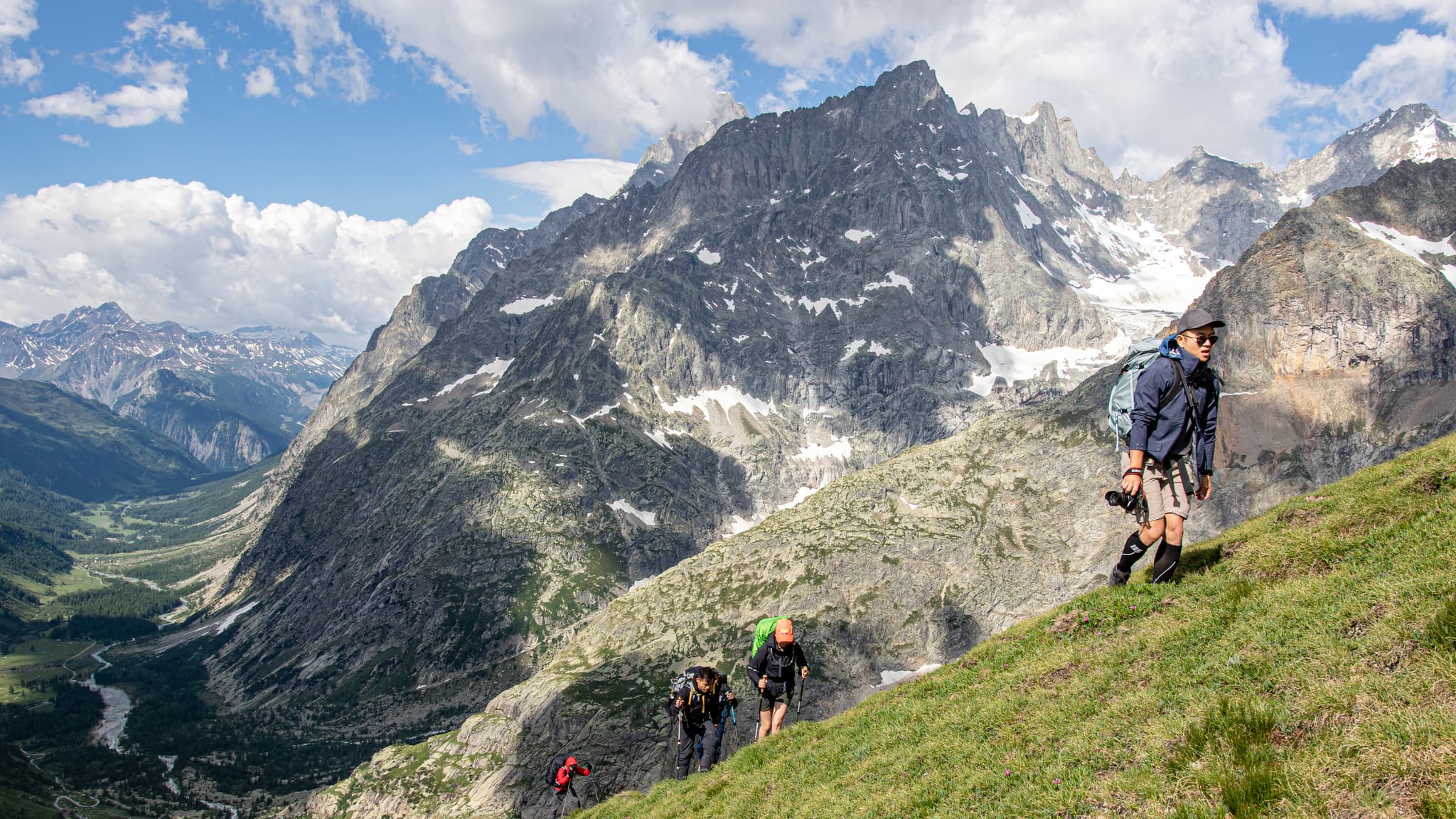
Trek the Tour du Mont Blanc in a Weekend: The Hut-to-Hut Edition
3 nights from£921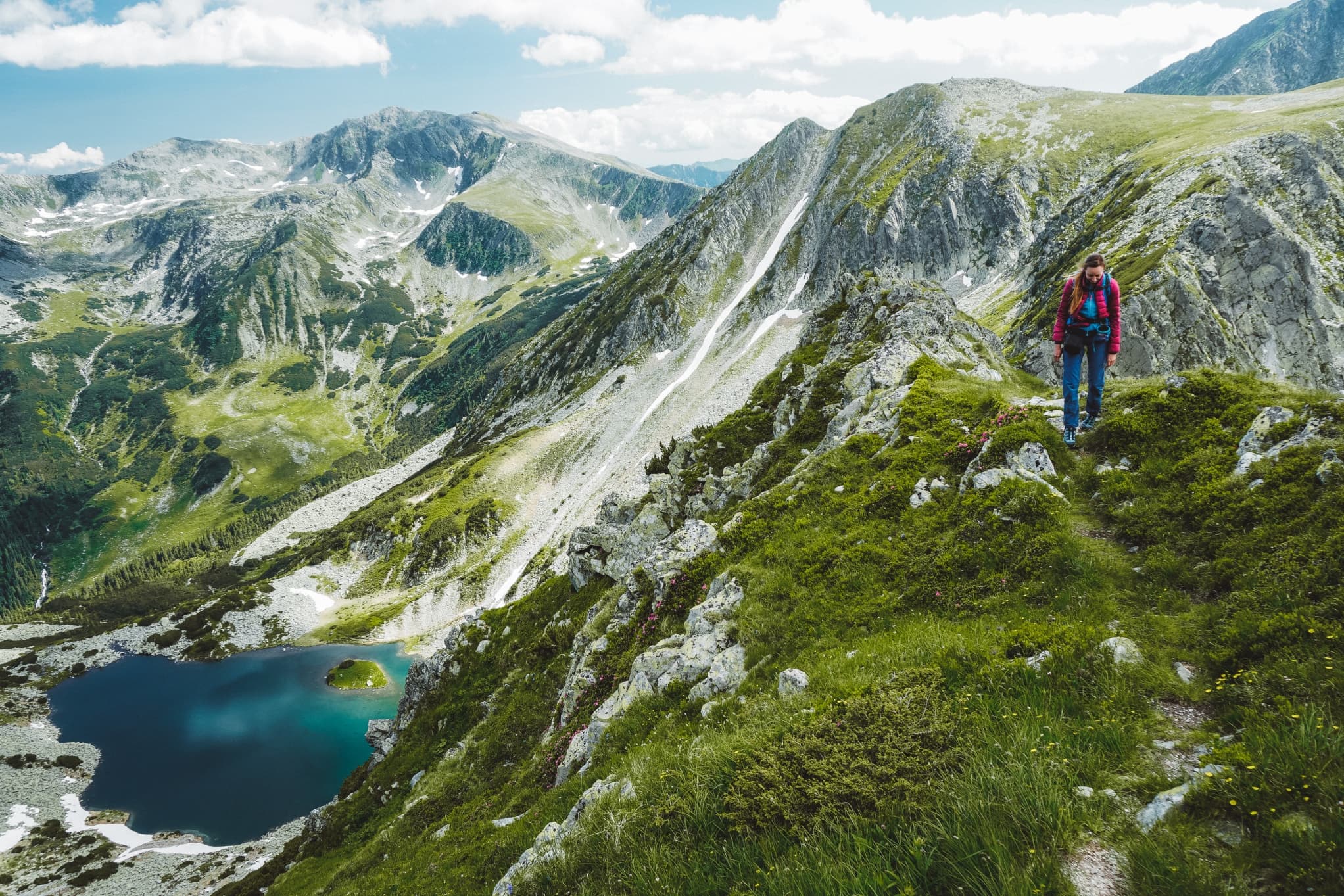
Wild Summits Challenge in Romania's Retezat Mountains
4 nights from£985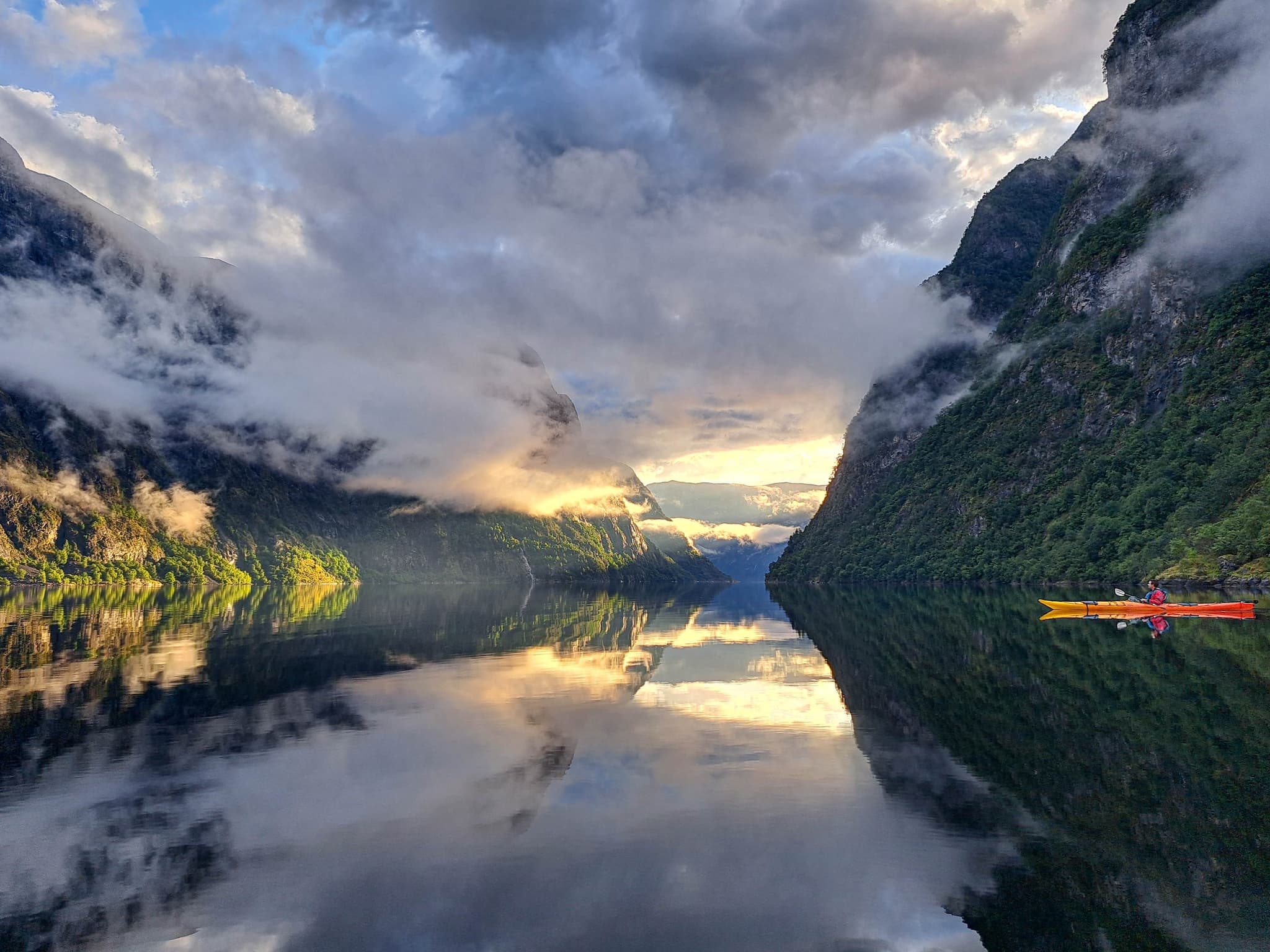
Hike, Kayak and Wild Camp the Norwegian Fjords in a Week
5 nights from£1,626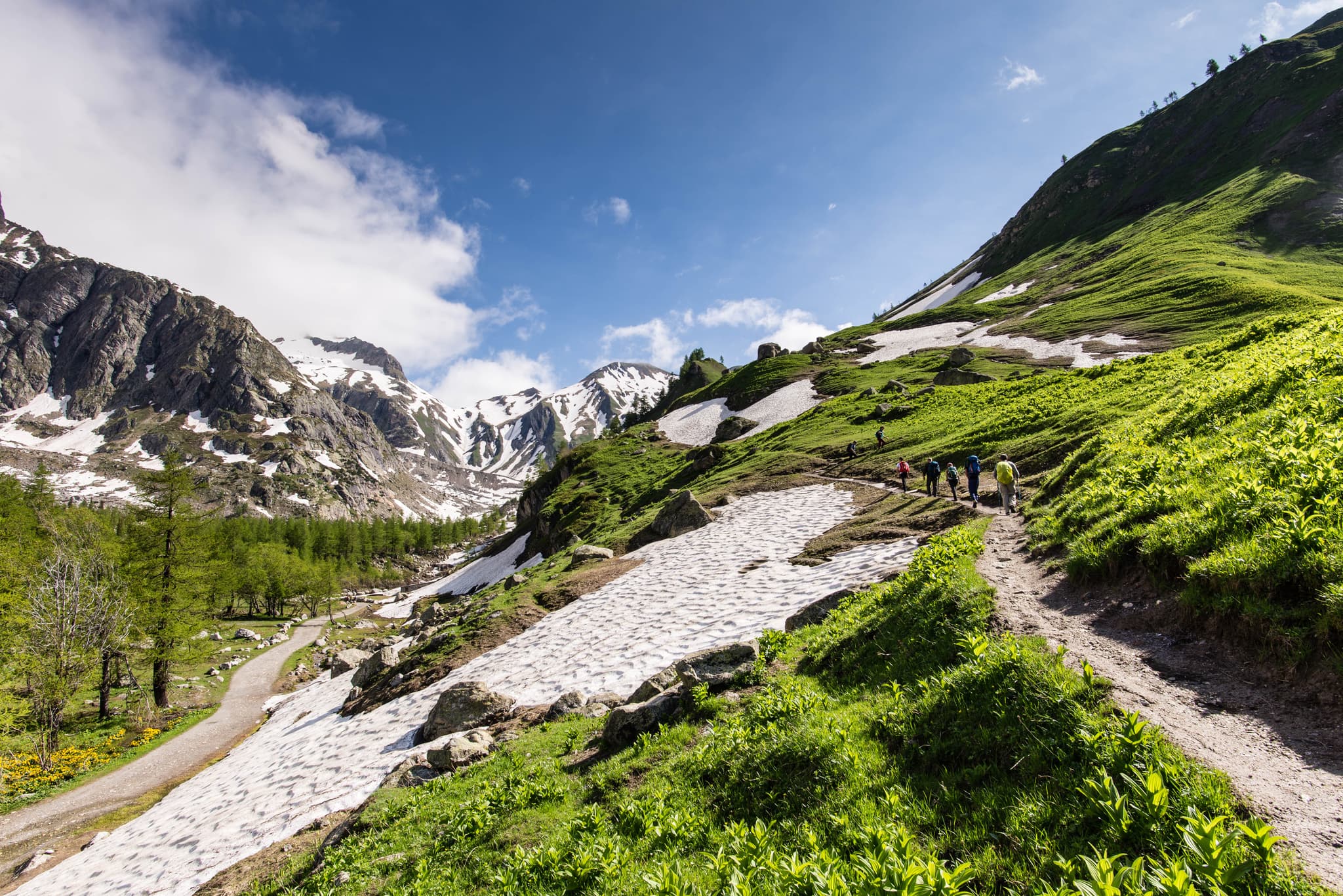
Trek the Tour du Mont Blanc in a Week
6 nights from£1,621