

5.0
Climb Mount Kenya (4985m) and Go on Safari
- Kenya
- 8 nights
Summit the trekking peak of Africa's second-highest mountain and explore a wildlife-packed corner of Kenya on this epic adventure combo
What's Included?
- Activities & Certified GuidesAll itinerary activities with local, certified guides and a support team
- All accommodation4 nights camping, 3 nights in riverside lodges, 1 night in a wilderness safari camp
- MealsAll your meals are included throughout
- TransfersAirport and local transfers, including a porter to carry your overnight luggage on the trek
- Equipment & PermitsAll your camping gear, permits, taxes and licences
- Maximum group size: 14Join small n’ sociable groups of like-minded, active and outdoorsy people – designed to be solo-friendly
Fromexcluding flights
Highlights
Tackle an epic hike through alpine forests, meadows, glaciers, lakes and lunar landscapes to summit Point Lenana (4985m): Mount Kenya's trekking peak
Look out over Africa from the continent's second highest point, with vastly fewer climbers than its famous next door neighbour, Kilimanjaro
Head deep into the Ol Pejeta Conservancy to spot elephants, lions, zebras, giraffes and endangered black rhinos
Itinerary
Day 1
Welcome to Kenya
CottageTwin shareDinner includedShow Day 1 detailHide detail
Descend over the plains of East Africa and touch down at Nairobi Airport where your host will be waiting to transfer you to their base on the banks of the Sagana River. Tuck in to a welcome dinner this evening with your host and fellow adventurers for a chat through the adventure to come.
Day 2
To Mount Kenya
CampsiteTwin tentAll meals includedShow Day 2 detailHide detail
Grab an early breakfast before leaving Nairobi for a 4-hour drive through the plains, with the Mount Kenya massif (opens in new tab) gradually coming into view. You'll be trekking the Chogoria Route to the 4985m-high Point Lenana, the 'trekker's peak' of Mount Kenya and its third highest (Batian, at 5199m and Nelion, at 5188m can only be reached with specialist mountaineering equipment). Reach the Mount Kenya forest at 2200m, from where you'll set off for an acclimatisation hike to reach the first camp at Chogoria Gate (2950m). Take in your first taste of this incredible wilderness area while dinner is cooked for you and camp is set up. Relax around a campfire before retiring to the sounds of the Mount Kenya rainforest.
Day 3
Chogoria Gate to Lake Ellis (3200m)
CampsiteTwin tentAll meals includedShow Day 3 detailHide detail
Unzip the tent, grab an early breakfast while watching the mountain wake up, then set off for the first full day of trekking. You'll hike through moorland and tussock grass in this more lush part of the ecosystem with many flowers in bloom creating a colourful backdrop. You'll then pass Urumandi Falls to reach a higher moorland with low tree cover for amazing views back over the plains. Lake Ellis, at an altitude of 3390m, is your next camp spot – a tranquil location with full panoramas of the main peaks of Mount Kenya, and set a good way off the main trail for an amazing camp out beneath the stars.
Day 4
Lake Ellis to Lake Michaelson (3962m)
CampsiteTwin tentAll meals includedShow Day 4 detailHide detail
Today's route is well off the beaten track. Set off skirting Lake Ellis, cross over the valley and follow a ridge deeper into the mountain. Enjoy breathtaking views over the Gorges Valley and back towards Itinguni and the northern moorlands. At the head of the Gorges Valley is Lake Michaelson, a crystal-clear glacial lake with still blue water. Lake Michaelson is surrounded by 'The Temple', a huge amphitheatre of 200m-high rocky cliff faces, and it is in this spectacular location that you will camp for the night.
Day 5
Lake Michaelson to Mintos Camp (4200m)
CampsiteTwin tentAll meals includedShow Day 5 detailHide detail
Today will be a much gentler day, allowing you to acclimatise and get ready for the long push to the summit tomorrow. Leaving camp, you will continue along the Chogoria Route to reach Mintos Camp at 4200m. Mintos is set on a ridge with incredible views, and you have chance to soak up this camp spot during the late afternoon, preserving energy for your summit day tomorrow. Dinner and a very early night is the name of the game, as you are going to be up very early tomorrow morning.
Day 6
Summit Mount Kenya at Point Lenana (4985m)
LodgeTwin shareAll meals includedShow Day 6 detailHide detail
Very early means 02:15 am! Grab a coffee then set off on the trail in the darkness, with head torches lighting the way. The feeling of setting off to summit in the middle of the night with your fellow trekkers is an amazing experience. Eat into the final sections of the trail as you ascend to Point Lenana (the trekker's peak of Mount Kenya) via the Simba Col, reaching the summit by sunrise. If conditions and cloud coverage are favourable, you'll be rewarded with an amazing sunrise panorama while you stand on the roof of Kenya – on a clear day, you can even see across to Mount Kilimanjaro, which is 200 miles away. Descend back to Simba Col, before turning on to an alternative trail and down a steep, scree slope to Shipton's Camp. You should arrive by 10:00, so a well-earned late breakfast and rest await you here, before you tackle the walk down the mountain to Judmier Camp. Say goodbye to your porters and trekking guide here after an epic few days together, load up the Land Cruisers and settle in for the drive towards Ol Pejeta Conservancy. You'll be staying in a beautiful lodge this evening, enjoying some creature comforts and hot showers following your time on the mountain. Fall into bed exhausted and elated from a huge day of mountain trekking.
Day 7
Safari time and wild camping in the bush
Wilderness Safari CampTwin tentAll meals includedShow Day 7 detailHide detail
It's safari time! Wake up feeling refreshed and head out into Ol Pejeta Conservancy in a 4x4 Land Cruiser with a specialist wildlife guide, searching for the quintessential animals of Kenya. Ol Pejeta is one of the best places for a safari in Kenya, with incredibly high chances of seeing the 'Big Five'. Of the many highlights today, spotting herds of elephants, endangered black rhinos and chimpanzees are right up there. You'll spend a full day exploring, before spending a memorable night in a wilderness bush camp set in the middle of the reserve. Watch a quintessential African sunset and experience the bush at night time as you bed down in tents, listening to the sounds of Africa right outside.
Day 8
More safari time and back to the river
CottageTwin shareAll meals includedShow Day 8 detailHide detail
Waking up in the middle of the African wilderness is an incredible experience. Roll out of the tent and take in the wild surroundings with a coffee at camp before heading out early doors for more safari time in this incredible conservancy. Hop back in the van to head to your final night for the trip back on the banks of the Sagana River. Owned by your host, this is a beautiful and hidden spot in Kenya and makes for a cracking final afternoon of your adventure. After such a busy week, there is no organised activity this afternoon, allowing you to settle into your cottage accommodation and soak up the tranquil vibe here before dinner. However, if you are still seeking some more action, the camp is well known as an adventure paradise, offering a wide range of activities including zip lining, bungee jumping, rock climbing, hiking and mountain biking which are easily organised with your guide.
Day 9
Farewell, Kenya
Breakfast includedShow Day 9 detailHide detail
Your adventure comes to an end as you bid farewell and hit the road back to Nairobi. Your host will drop you off at the airport in time for your onward flight.
Practical Stuff
Getting There
- Nearest airport
- Jomo Kenyatta International Airport (NBO)
- Pick up
- Jomo Kenyatta International Airport, Nairobi (NBO)
06:30 on Day 1 - Drop off
- Jomo Kenyatta International Airport, Nairobi (NBO)
Either 06:30 or 19:30 on Day 9
This Trip is Graded Level 5
- Level 5
Challenging
Made for those who seek to push themselves and embrace the outdoors
High Altitude Factors To Consider + 3 other factors - How much activity is involved?
Very active days, usually seven to eight hours long
You'll be trekking to reach the summit at Lenana Point. This is commonly known as the 'trekker's s...
- Right level, wrong trip?
Browse all our Challenging trips
Your next adventure is out there

 Not sure which level is right?
There's a level for everyone – find your match
What is and isn't Included?
What's included
- 5 days of guided trekking on the Chogoria Route to Point Lenana, the 'trekker's summit' of Mount Kenya
- Full day safari in the Ol Pejeta Conservancy
- Morning safari in the Ol Pejeta Conservancy
- Local, certified trekking guides
- A support team for the duration of the trek
- Local, expert safari guides
- 4 nights camping on Mount Kenya
- 2 nights in cottages at your host's riverside lodge
- 1 night in a lodge in the foothills of Mount Kenya
- 1 night in a mobile wilderness safari camp
All your meals are provided for the duration of the trip. This includes:
- 8 breakfasts
- 7 lunches
- 8 dinners
- Group arrival transfer from Nairobi Airport on Day 1
- Group departure transfer (choice of two times) to Nairobi Airport on Day 9
- All other transfers throughout the trip
- A porter will carry your overnight luggage on the trek
- All permits, taxes and licenses
- All your camping gear during the trek
What's not included
Our trips do not include flights, trains or other travel to the start point and back from the end point.
Tips are not included in the trip cost. There is no expectation or obligation to tip your host and main guide for the trip as a whole; however, any tips are gratefully received, should you wish to offer them at the end of the trip. You can do this in $/£/€.
However, tips for the team of porters on Mount Kenya are expected as a cultural norm. Even if it may not be customary to you, it is of considerable significance to the people who will take care of you during on the mountain. The minimum expected contribution is $100/£80/€90 per person for the full five days on Mount Kenya. Please do budget for this, and make sure you have cash readily available at the end of your trek on Day 6.
Travel insurance is compulsory for all of our adventures and you are required to provide your policy information before departing. Your insurance should include adequate protection for overseas medical treatment, evacuation/repatriation, your baggage and equipment and the specific activities involved on your adventure. We also strongly recommend it includes cancellation and curtailment insurance, should you be unable to join your trip for specific reasons such as illness. Our recommended travel insurance provider is Campbell Irvine (opens in new tab), as their insurance offers all of the above.
Visa requirements often change, and you are responsible for obtaining any required visas for this trip. Please check with your nearest embassy or consulate for up-to-date advice.
You know your own spending habits best, so please budget an appropriate amount for things like optional meals and drinks, shopping, optional activities, and laundry.
Where You'll Stay
Looking for a private room? See Optional Extras for details and pricing.
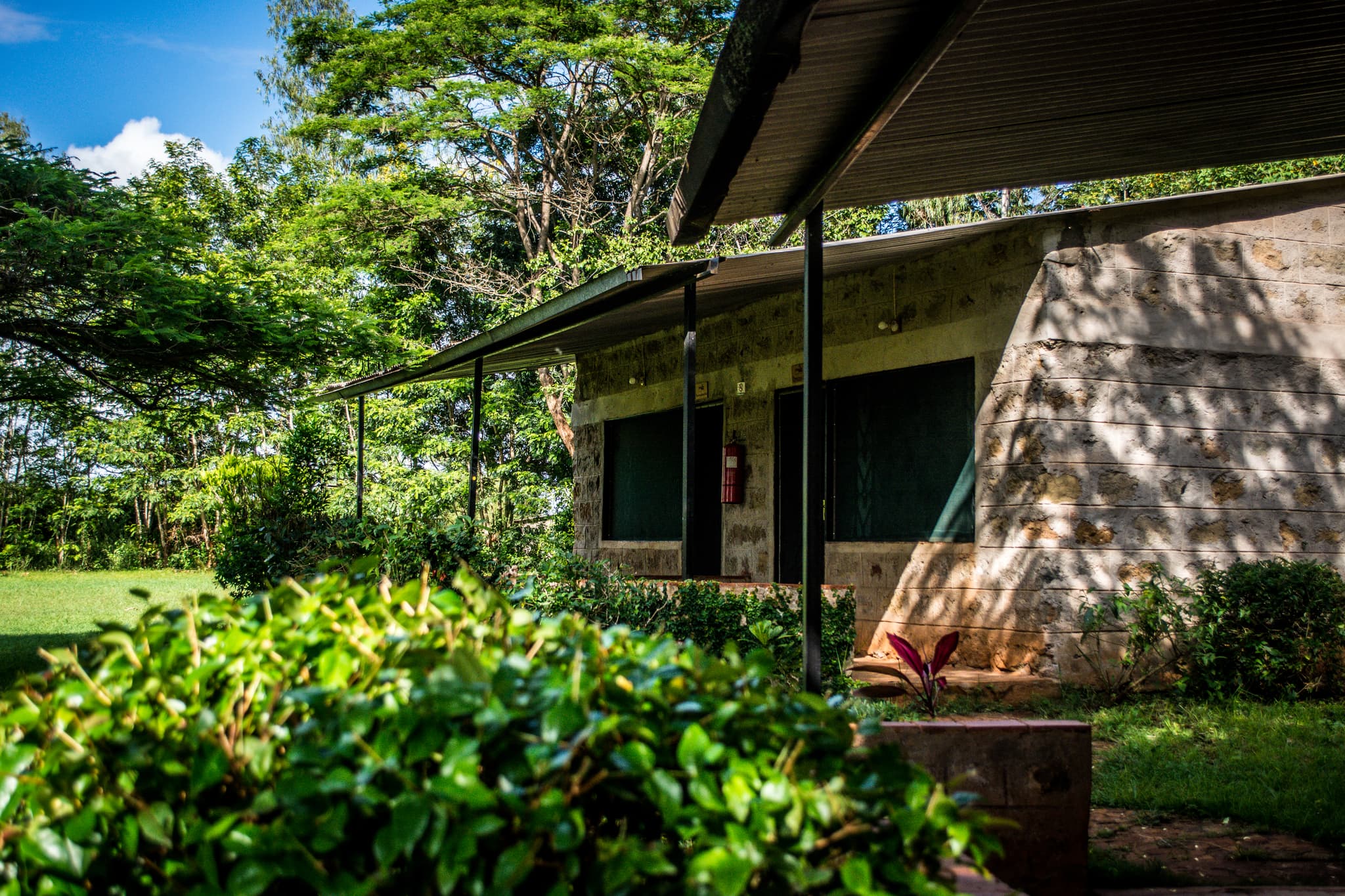
Sagana River Camp
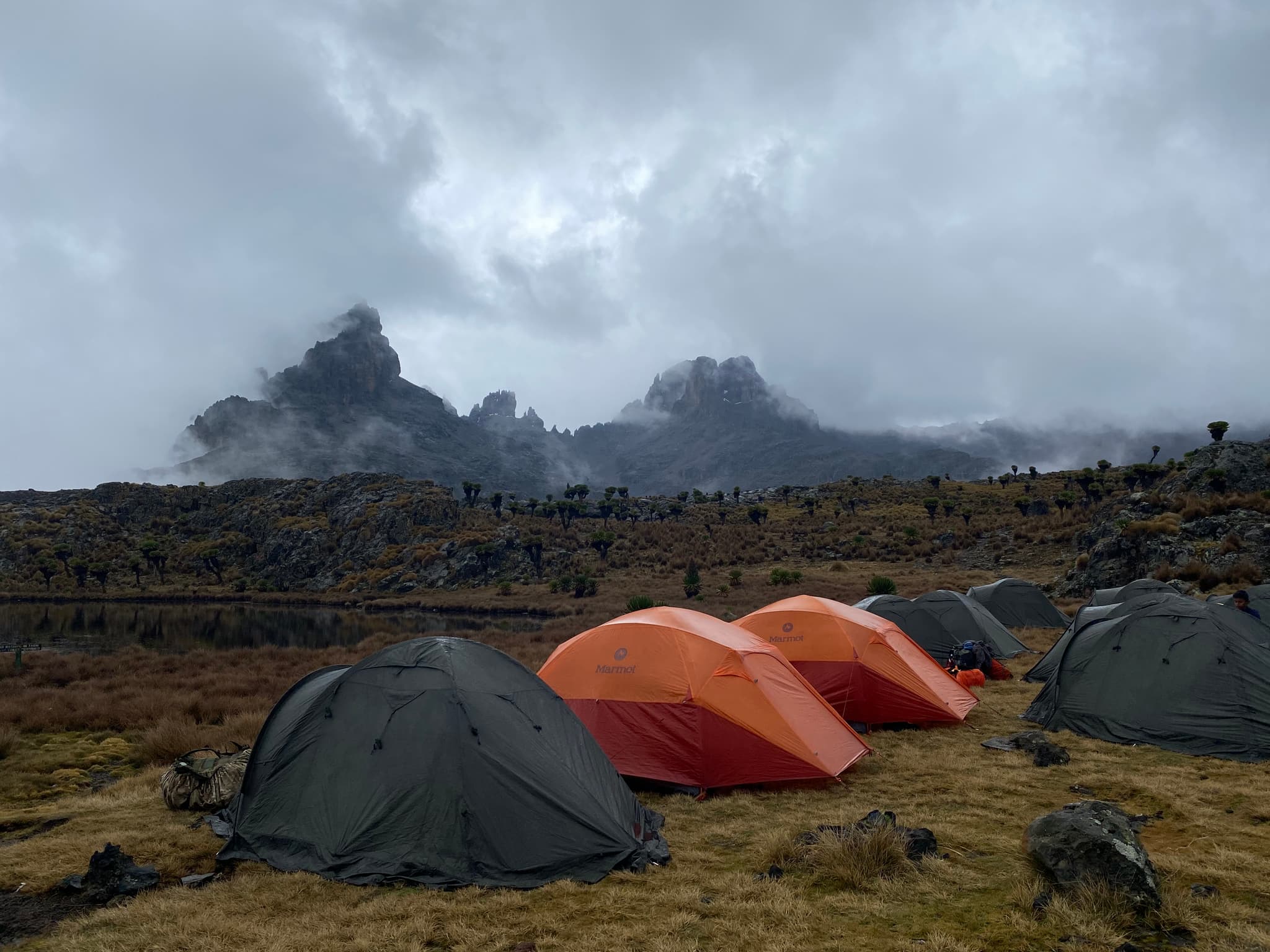
Camping on Mount Kenya
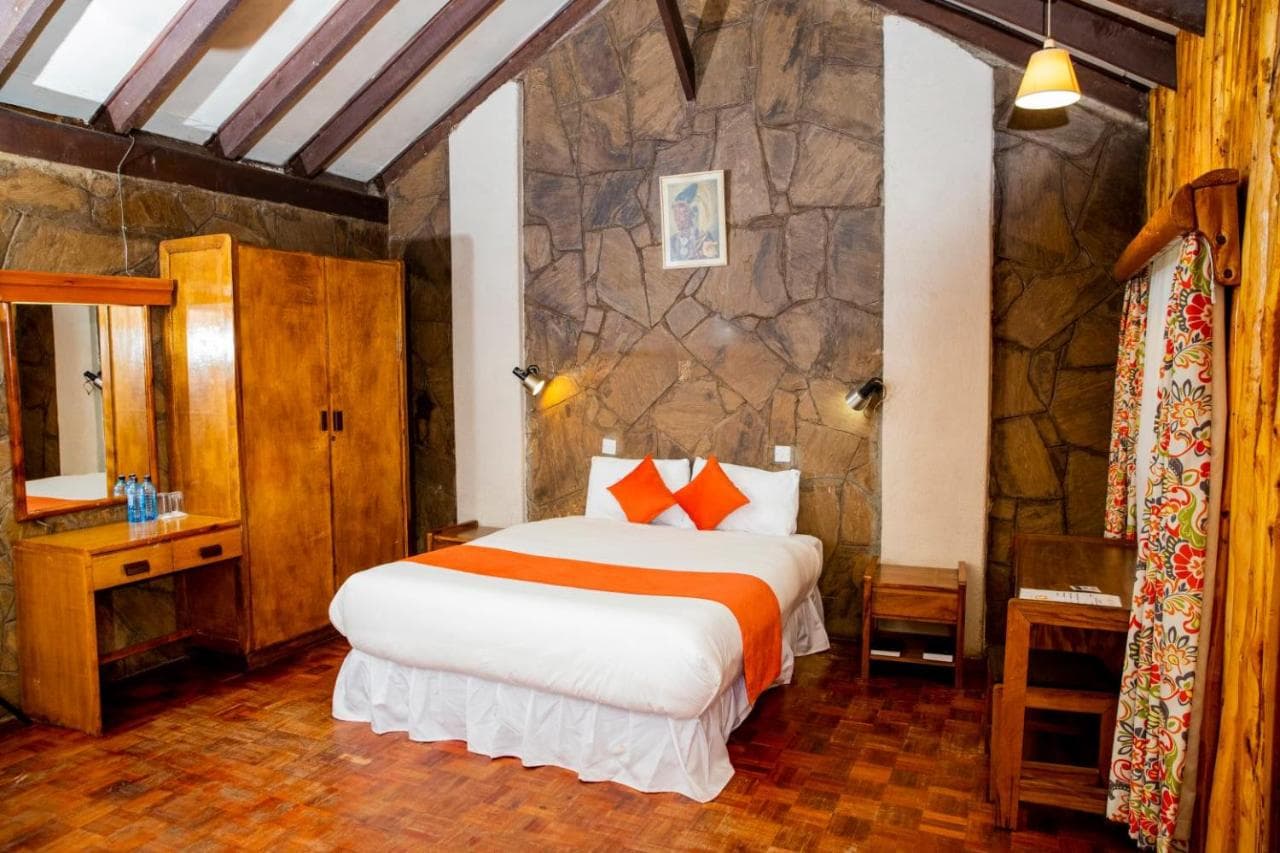
Naro Moru River Lodge
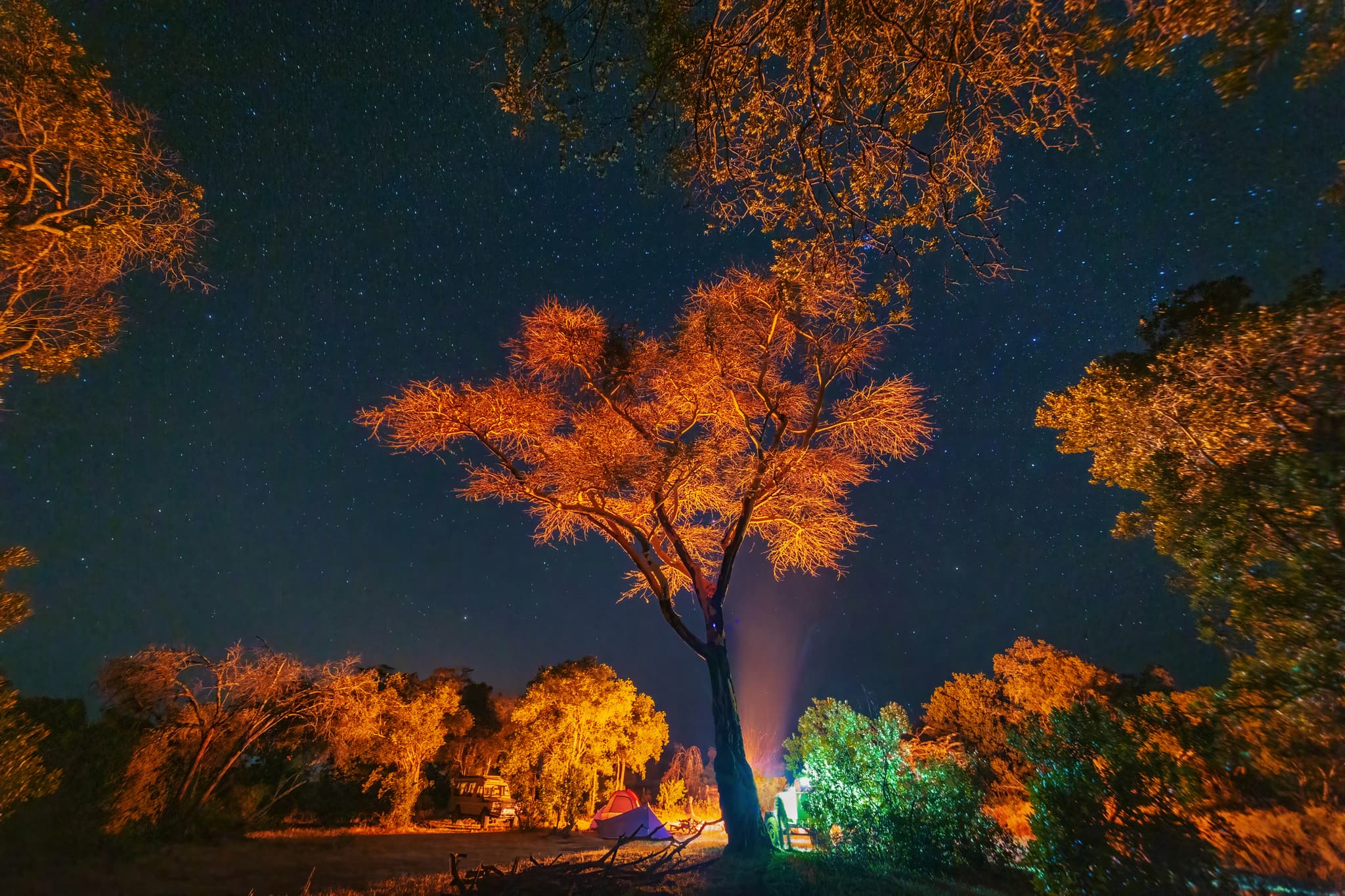
Wild camping in Ol Pejeta Conservancy
What You'll Eat
Throughout your trek, a team of experienced chefs will cook and serve you nutritious meals. Breakfast will usually be a combination of fruit, cereal, porridge, eggs, bread, French toast, pancakes, sausage, bacon, tea, coffee and hot chocolate. Lunch…
Optional Extras
Pre/Post Trip Accommodation
- Double/twin room at Sagana River Camp
- £124/per night
- Single room at Sagana River Camp
- £72/per night
Upgrades
- Optional Private Room & Tent Upgrade
- £278
For solo travellers looking for their own space, an optional private room and tent can be booked for an extra charge, see Optional Extras for the price. Please request this at the time of booking (this is subject to availability).
Transfers
- Nairobi Airport to Sagana River Camp (each way)
- £83
To request any extras, message your host via your Much Better Adventures account once you have booked your trip.
All extras must be paid before your trip starts.
Ratings & Reviews
5.010 reviews
- 4 stars (0)
- 3 stars (0)
- 2 stars (0)
- 1 star (0)
Category rating
- Food
- 4.0
- Guides & crew
- 5.0
- Accommodation
- 4.0
- Itinerary
- 5.0
Latest Reviews
Customer Photos
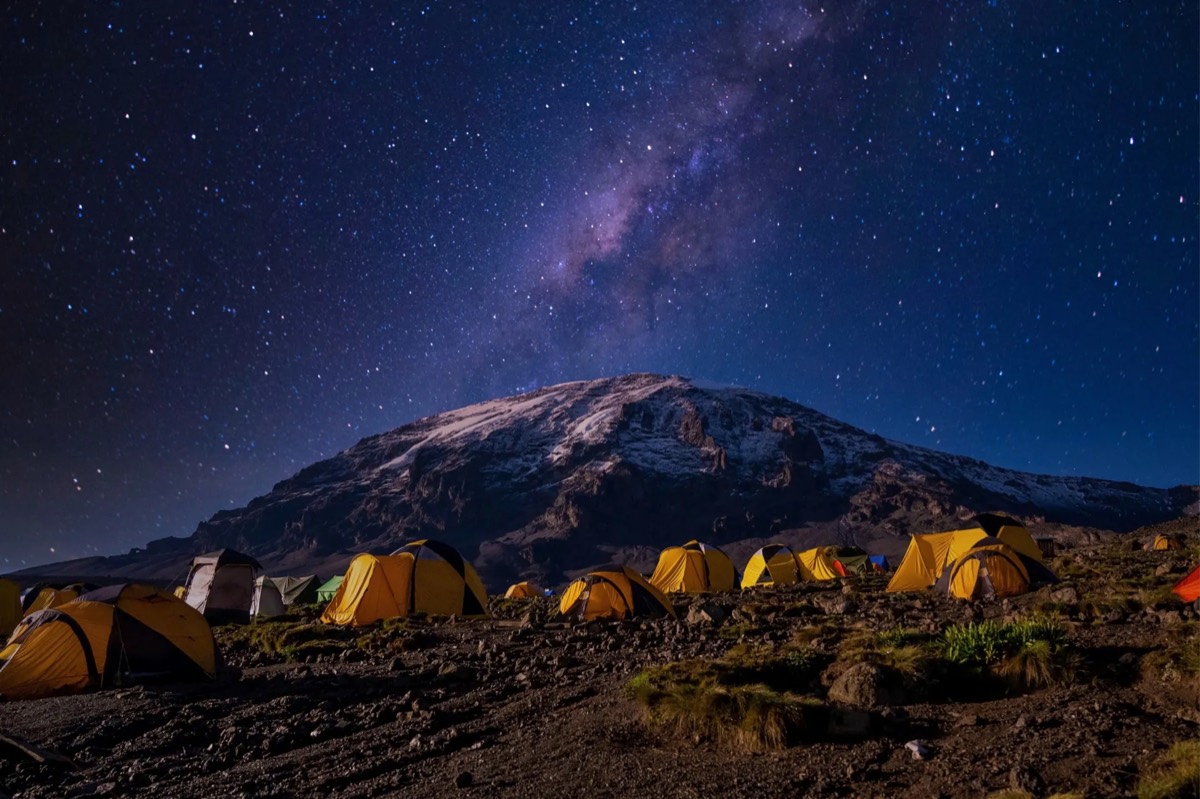
Planning Kilimanjaro in 2027?
Get the ultimate guide to Africa's highest mountain
Before You Travel
What to Pack
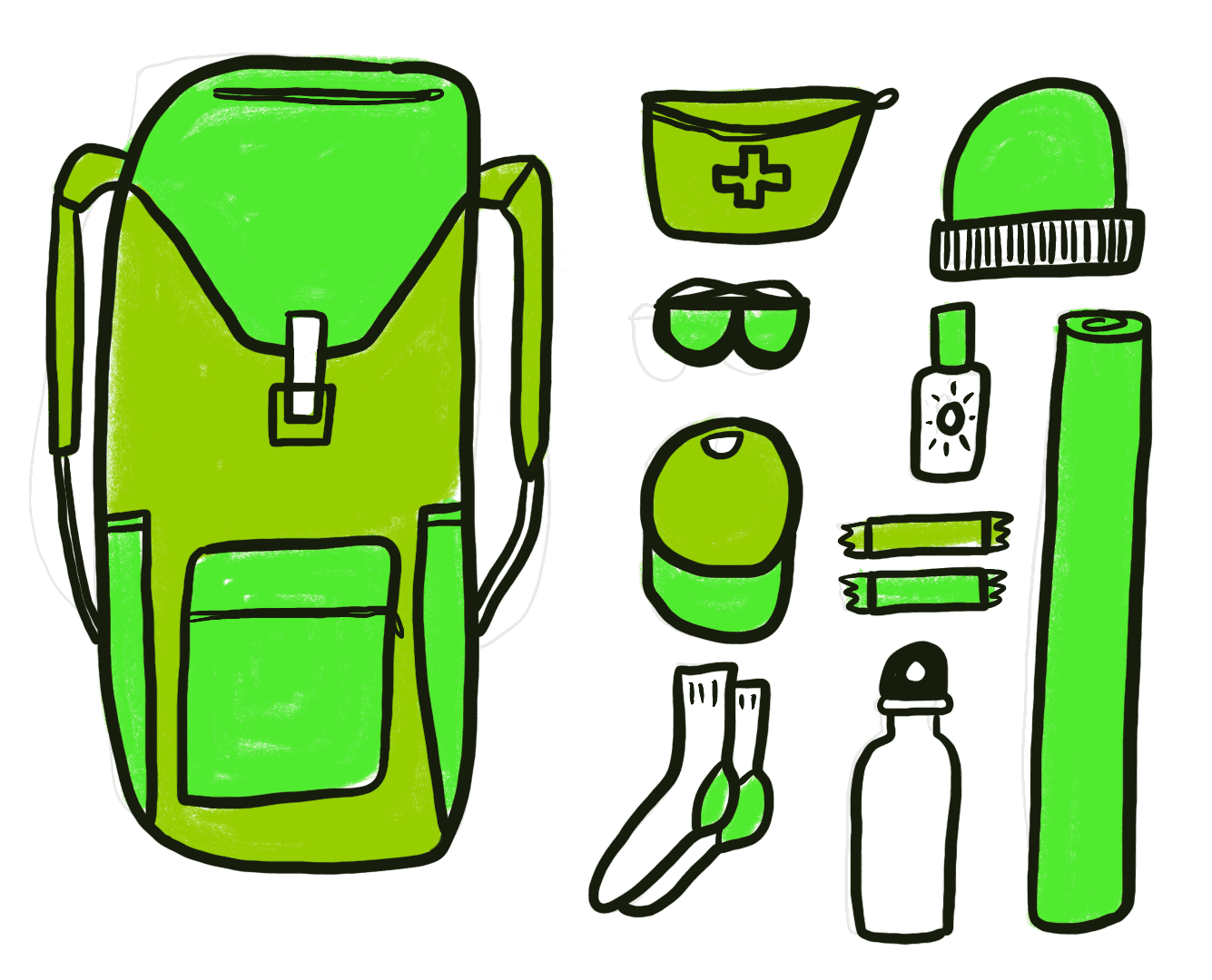
Know before you go! Some stuff we'll provide, other things you'll need to bring.
FAQs
What qualifications and experience do the lead guides have?
The guides have been extensively trained on the routes, terrain and conditions you'll be crossing. With over 10 years of experience, they have also been to the summit more than 100 times. Additionally, all of the guides are certified First Aid Responders and CPR trained.
What details should I use for my Kenyan visa?
When applying for your Kenyan visa, you may be asked for the address of your accommodation. If required, please use the following address:
Savage Wilderness Camp, Riandira, Sagana, Kenya
If you require a letter of recommendation or participation as part of this application, please contact our customer experience team.
How many summits does Mount Kenya have?
The mountain has three main summits: Batian (5199m), Nelion (5188m), and Point Lenana (4985m). Point Lenana is known as the 'trekkers summit' as is the only peak that is accessible without previous mountaineering experience. Both Bastian and Nelion summits involve multi-pitch trad rock climbing and are highly technical.
Which route does the climb follow?
Our trip follows the Chogoria Route which approaches the mountain from the east. This is considered to be the quietest, yet most beautiful route to the top. It passes by Lake Ellis and Lake Michaelson, two picturesque glacial lakes which sit at over 3000m.
Are the porters fairly paid?
Yes, your host has long been campaigning for more responsible policies towards the employment of local people, including porters, and sharing the benefits of tourism more fairly with local communities. Your host ensures porters receive fair pay and ethical treatment.
Can I leave my excess luggage somewhere?
You can securely leave any excess luggage at your host's base before setting off on the trek.
What do I do about drinking water?
No plastic bottles are allowed on Mount Kenya. Your guides will supply you with purified drinking water, either by boiling, filtration, or use of purification tablets.
High altitude (over 4500m): what factors should I consider?
This trip reaches elevations above 4500m, where the risks associated with Altitude Sickness (opens in new tab) (AMS) are higher, and where more serious conditions like HAPE (High Altitude Pulmonary Edema) and HACE (High Altitude Cerebral Edema) can occur.
Previous high-altitude experience doesn’t guarantee the same reaction every time, but it can be a helpful indicator. It gives you insight into how your body might respond, helps you recognise symptoms early, and prepares you mentally and physically for the demands of high-altitude trekking.
Your guide is trained to manage altitude risk by carefully managing the rate of ascent, monitoring group wellbeing, and taking action if anyone becomes unwell.
Before travelling, think about your own physical condition and consult a medical professional if you have concerns – especially if you have underlying health issues. If possible, arriving a day or two early at altitude is a great way to help your body adjust.
Your travel insurance must cover the maximum altitude reached on this trip and include emergency evacuation.
Wildlife encounters: what factors should I consider?
This trip takes place in environments where wild animals are present in their natural environment, where protections and controls on their movement may be limited or non-existent. Some species may be dangerous, venomous, or unpredictable. Sightings are a privilege – but safety is key. Always follow your guide’s instructions and any posted signage.
We recommend considering your comfort around wildlife and discussing any concerns with your host before travel, particularly if you have allergies, phobias, or related health conditions.
Hot & cold climate: what factors should I consider?
This trip includes locations where temperatures can range from extremely hot to extremely cold during different parts of the itinerary. In some areas, you may face high daytime temperatures, strong sun, and humidity with limited shade. Elsewhere – especially at higher elevations – temperatures may drop below freezing, particularly at night.
These extremes can affect your physical performance and increase the risk of heat-related issues such as dehydration or heat stroke, or cold-related risks like frostbite and hypothermia. Your guide will manage the pace, monitor group wellbeing, and adjust the plan when needed to keep everyone safe.
We recommend considering how you personally respond to heat and cold, and speaking with a healthcare professional if you have any conditions that could be affected. Packing the right gear for both climates is essential, and arriving early may help your body acclimatise more comfortably – especially if you're coming from a more moderate climate.
Can I book on my own?
Sure can! Over 70% of our travellers travel solo, it’s a great way to meet like-minded people.
Who is running the trip?
Our team of Adventure Hunters co-create exclusive adventures which are run by highly vetted, specialist hosts. The trip is run by our trusted host partner in the destination. We only work with independent, local, in-destination experts who know the very best places to explore and how to stay safe. Read more information about the local teams we partner with (opens in new tab). You’ll be introduced to the host straight after making a booking via the Much Better Adventures platform.
What is the official travel advice?
Much Better Adventures refer to the UK Government’s official travel advice when designing trips and monitoring trip operations. We recommend that all customers are familiar with the practical information provided on the Government’s FCDO website (opens in new tab), where current travel advice can be found by searching for the applicable destination(s).
For customers joining this trip from other international destinations – please also read the official travel advice applicable to your country of residence/origin, as this may differ.
What vaccinations do I need?
We recommend checking out the country-specific information (opens in new tab) and also talking to a travel nurse.
How are the trips priced?
We automatically convert prices from the local currency that a host receives to your chosen currency. We update our exchange rates on a daily basis so this does mean that prices displayed on the site are subject to currency fluctuations, which is why you may see them change over time.
If you wish to change the currency you pay in, head to the bottom of the page.
Why are your adventures only for adults?
All of our group adventures are specially designed for adults to enjoy as we want these adventures to bring together outdoorsy people who are truly like-minded. You must be over 18 to join one of our trips.
Who else will be on my trip?
You're always in good company on one of our adventures.
Our trips are typically made up of a mixture of solo travellers and small groups of 2 or 3 friends, with most in their 30s-50s.
Our sociable adventures are solo-friendly by design and naturally attract outdoorsy people with a shared mindset; a love for adventure, a desire to push themselves and meet awesome, like-minded people along the way.
It’s this camaraderie that has so often turned a great adventure into a life-changing one.
Don't just take our word for it:
- 95% of people rate the group dynamics on our trips 5/5
- 90% of people recommend joining a trip to make new friends
- 75% of people have met people on our trips that they would now consider friends
See here (opens in new tab) for more info about the Much Better Adventures tribe.
What's the weather like?
It's possible to climb Mount Kenya all year round; however, the months outside of the rainy seasons are more desirable. The best climbing months are from December to March and July to October. The best weather is usually at the beginning of the year from January to March, which are also typically the warmest and driest months.
Thanks to Kenya’s proximity to the equator, the region doesn’t typically experience the extremes of winter and summer weather you might expect and instead has dry and wet seasons. The local weather conditions on Mount Kenya can be somewhat unpredictable (to say the least) and rainfall varies from 2100mm per year in the rainforest belt, to less than 120mm per year in the summit zone. Temperatures vary considerably with height and with time of day. On the plains surrounding Mount Kenya, the average daytime temperature is about 25°C. At 3000m frosts can be encountered at night, while temperatures in the day range from 5 to 15°C. Nighttime temperatures on the summit are well below freezing. The south-facing side of Mount Kenya receives more sunshine in the December to March period.
What's the carbon footprint for this trip?
We partner with the World Land Trust to ensure this trip achieves Net-Zero emissions. We also support their Buy an Acre programme, helping local communities to buy and protect natural habitats in perpetuity.
What's the number?
It works out on average at 217kg of CO2 emissions per person, including all local transport, accommodation, food, activities, guides, staff and office operations.
The only thing it doesn’t include right now is flights and travel to the destination. We do make an overall estimate across all our customers separately, but as we don’t book flights, have customers from all corners of the world, and no way of reliably knowing their travel plans, we simply can’t include an individual number in the figure on display here. We’ve got a goal to fix that, so that when you book, there is a way to measure and mitigate the carbon emitted by your flight too.
But what does the number mean?
Yep, hard to picture eh? To give you an idea:
- Driving 1000 miles/1609km would be approximately 281kg of CO2 in an average car (or 140.5kg per person, if there were two of you in it).
- A return economy class flight between London and New York would be approximately 1619kg (1.66 tonnes) per person.
- 10 trees in a temperate forest are estimated to remove approximately 250kg of CO2 from the air in a period of 5-10 years.
What are we doing about it?
Our trips are relatively low-carbon by design, and we're working with all our hosts to develop long term carbon reduction plans. We partner with the World Land Trust (opens in new tab) to ensure this trip achieves Net-Zero emissions. We also support their Buy an Acre (opens in new tab) programme, helping local communities to buy and protect natural habitats in perpetuity, ensuring the protection of the reserve and its wildlife.
Want to know more?
Amazingly, no international travel company has ever publicly published their carbon measurements before, as far as we know. We believe that must change, quickly. So we’re openly sharing the method we used in the hope that other companies will be able to more easily follow suit and build on what we've done so far. You'll find it all here (opens in new tab).
Want to Know More?
Ask our AI Assistant
Get instant answers about this adventure
Departure dates
Secure your spot
10% deposit to book (limited exceptions)
Pay in instalments, no interest or fees
Going solo?
Log in to see how many others are booking solo too
Don’t see a date you like?
Get an email alert when new dates are added for this trip
Subscribe to alertsWe've Got Your Back
Book with confidence and peace of mind.
Go private and split the bill with ease.
Forget complex logistics, we've taken care of all the details to ensure a hassle-free get together. All of the adventure, none of the faff.
Feeling adventurous? Here's £100 towards it.
Sign up to our newsletter and we'll email you a £100 code for your first trip. You'll also get weekly trip inspiration, expert advice and last minute deals.
Still Undecided? 🇬🇧 🇺🇸
A few other trips to tickle your fancy 🇬🇧 🇺🇸
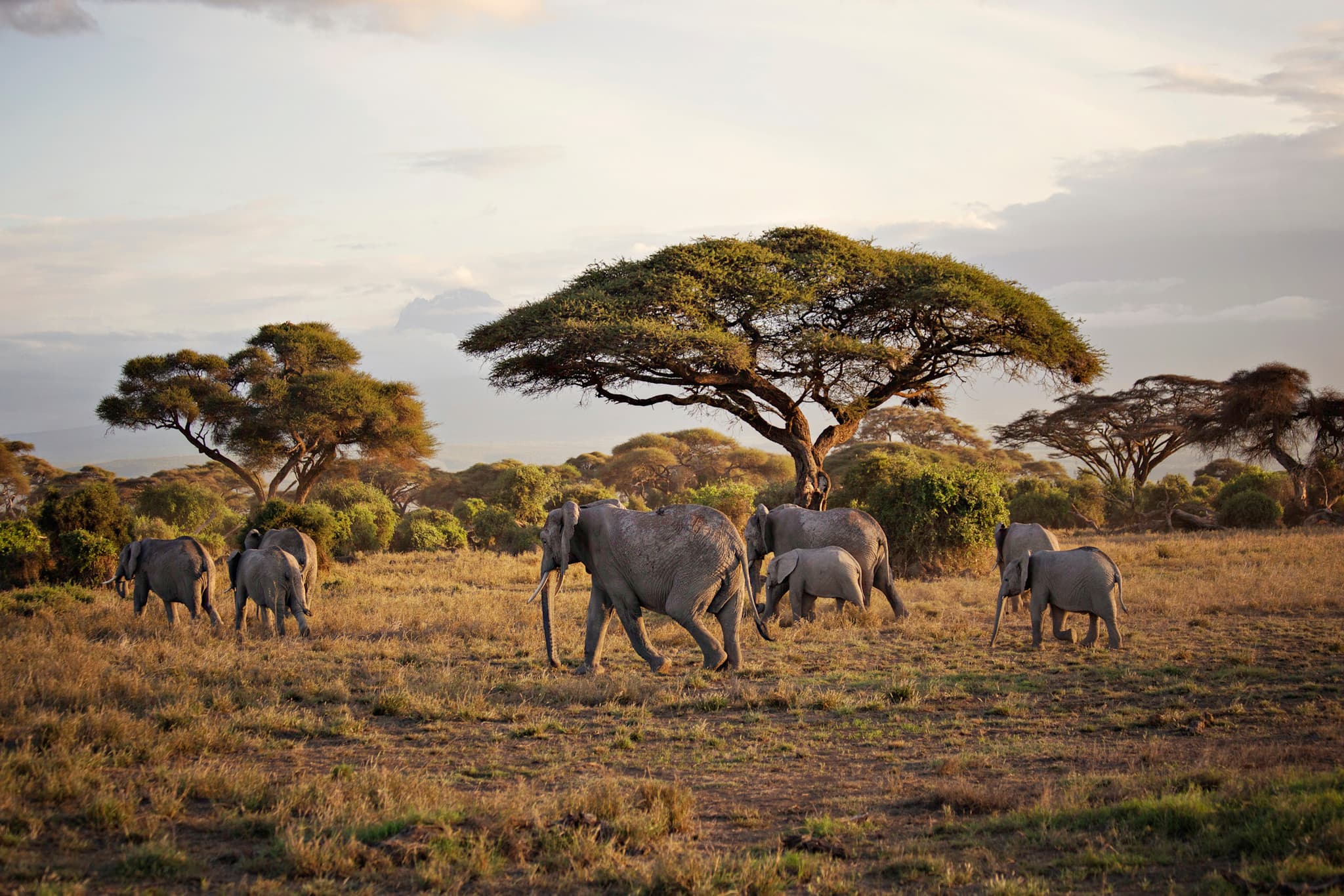
Wildlife Adventure in Kenya
8 nights from£2,426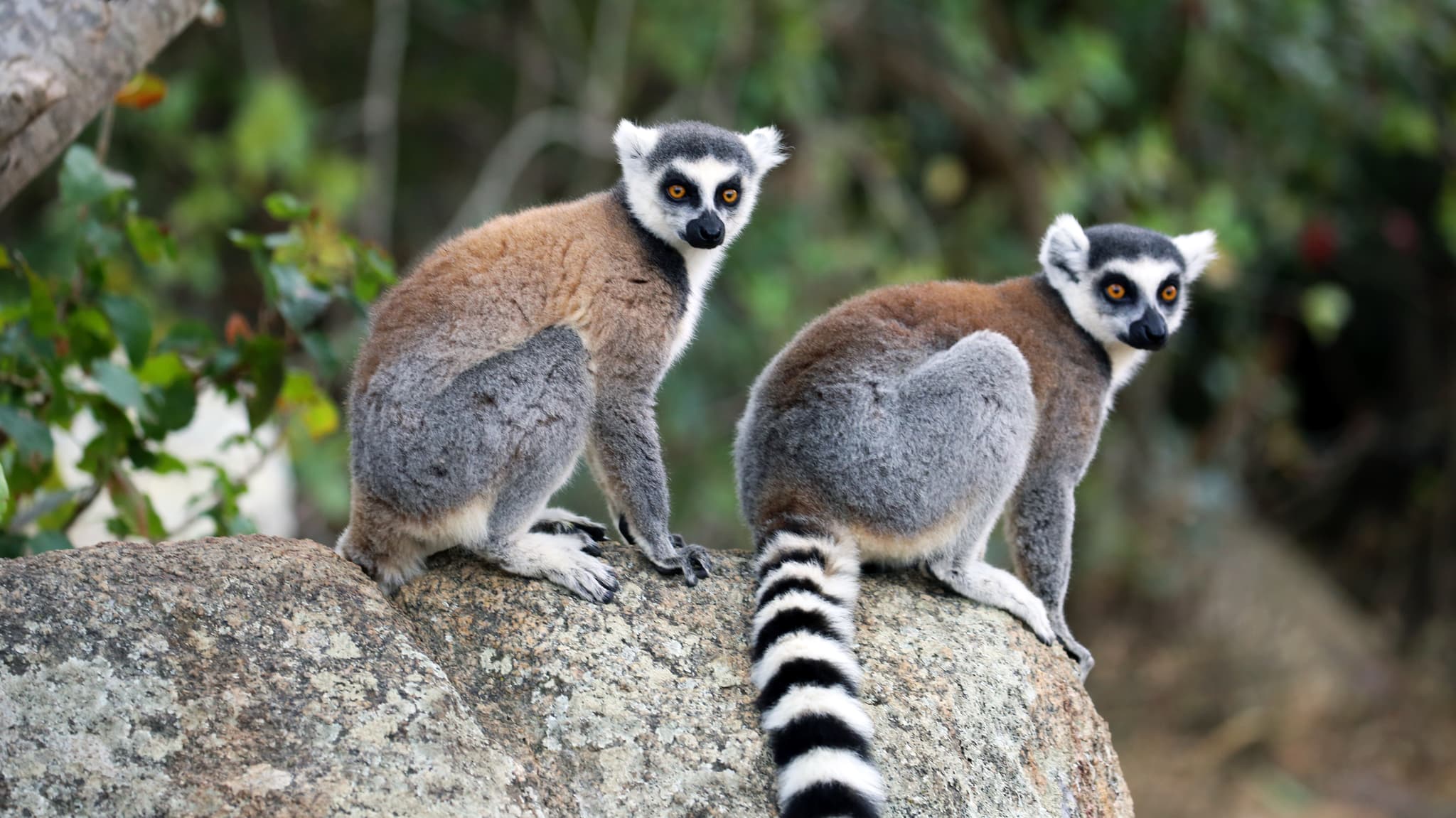
Trek the Remote Trails of Madagascar
12 nights from£2,681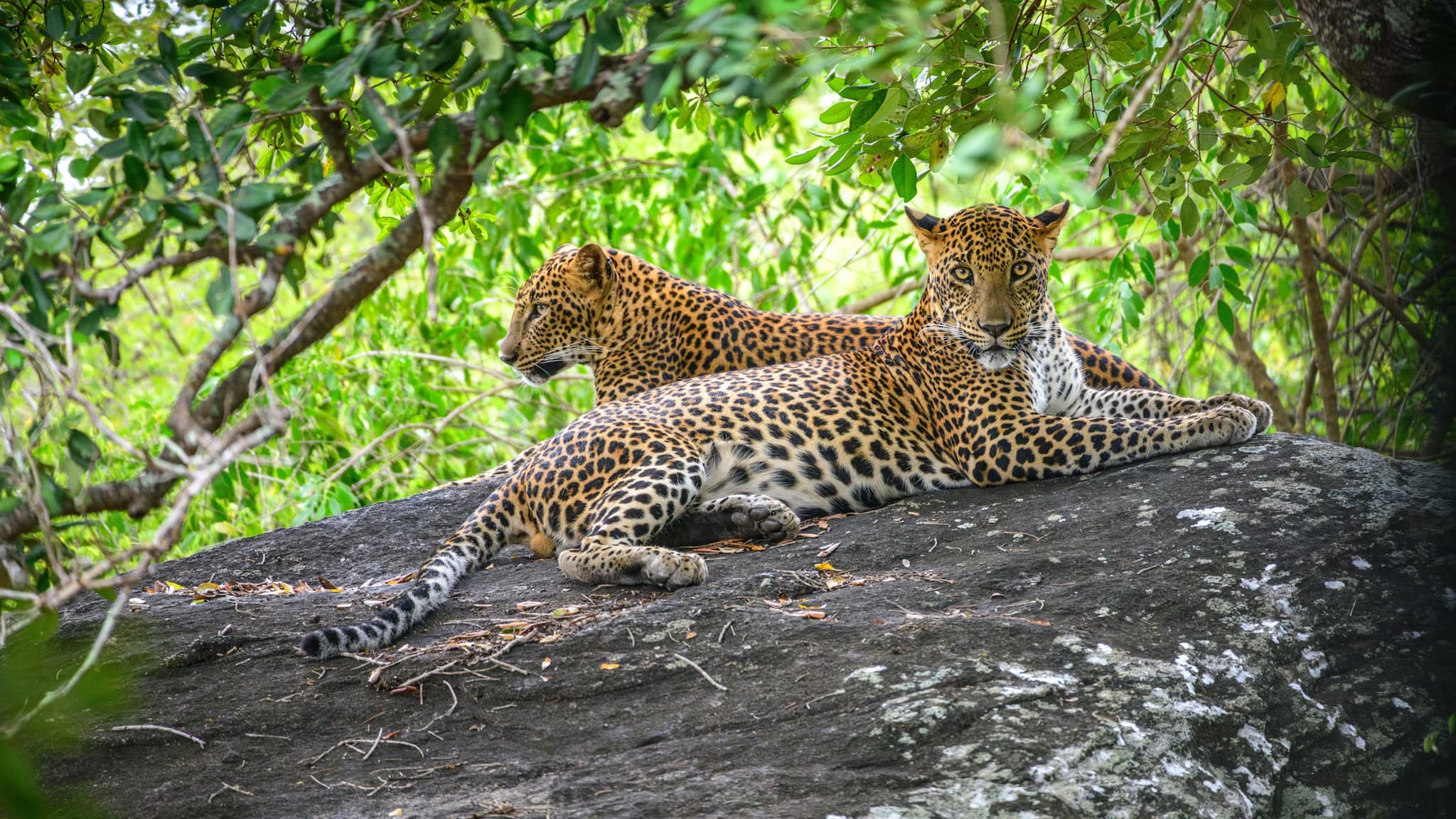
Premium: Safari to Shore Journey in Hidden Tanzania
10 nights from£3,307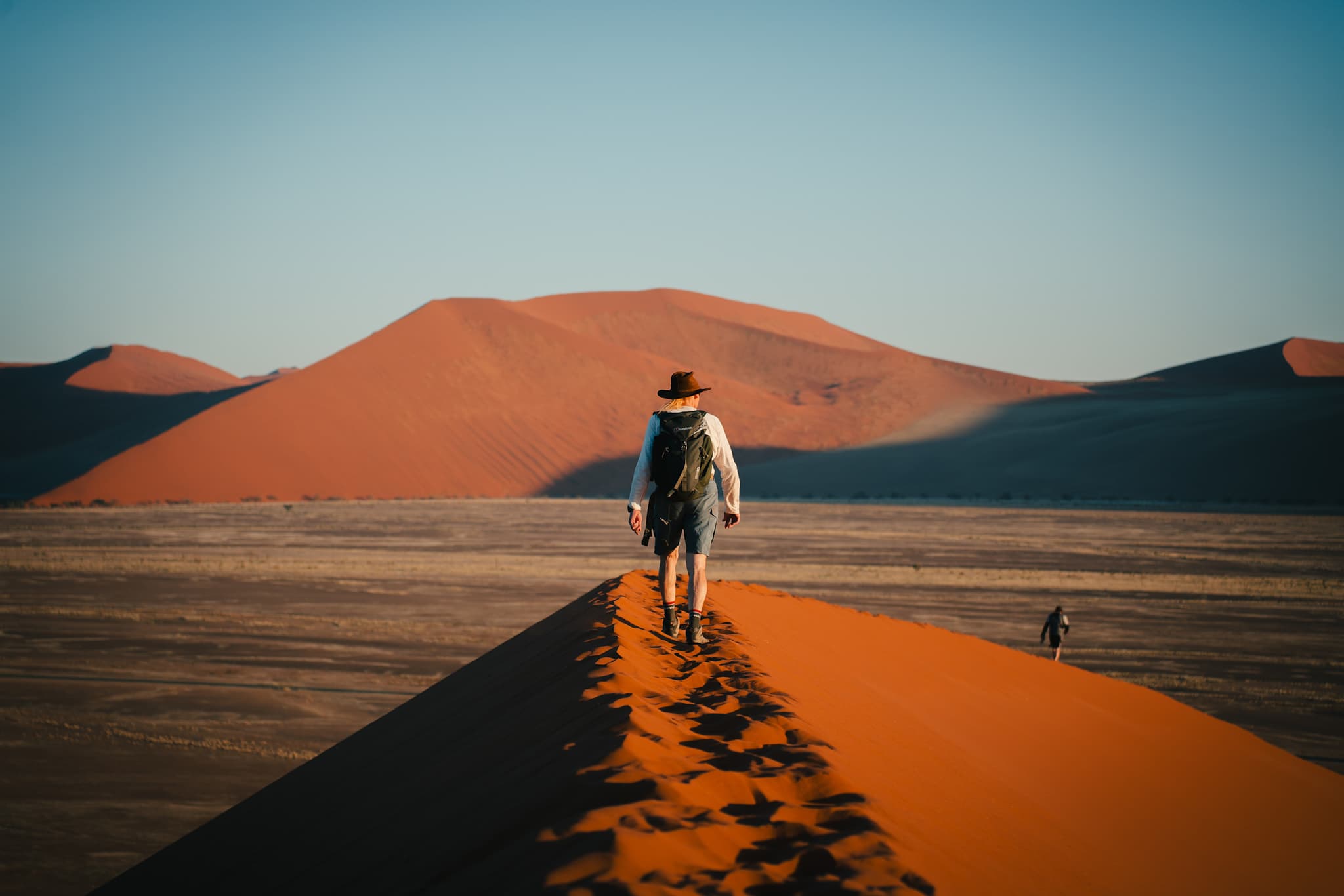
The Ultimate Adventure Through Wild Namibia
10 nights from£2,035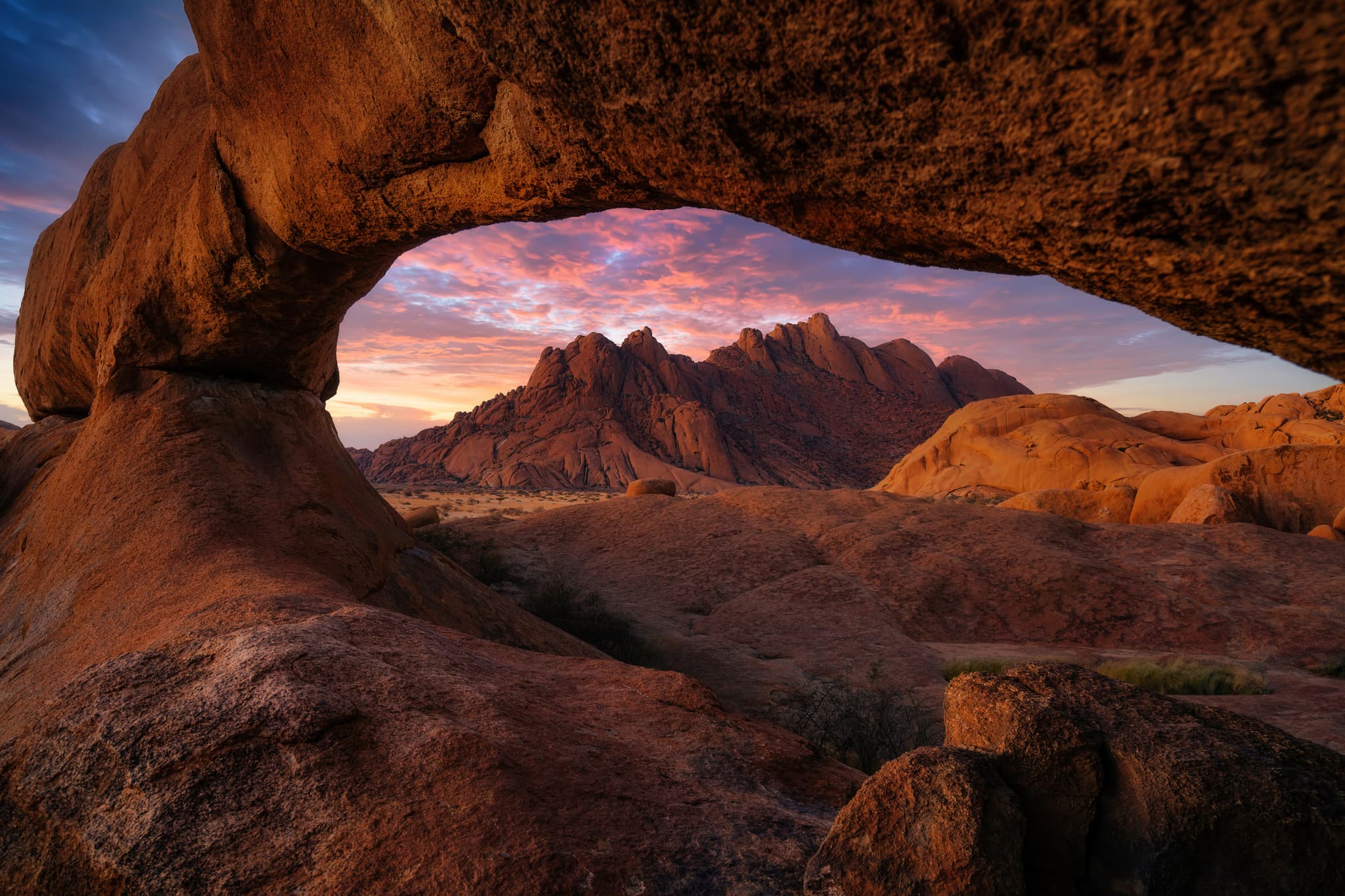
The Ultimate Adventure Through Namibia and Botswana
13 nights from£3,161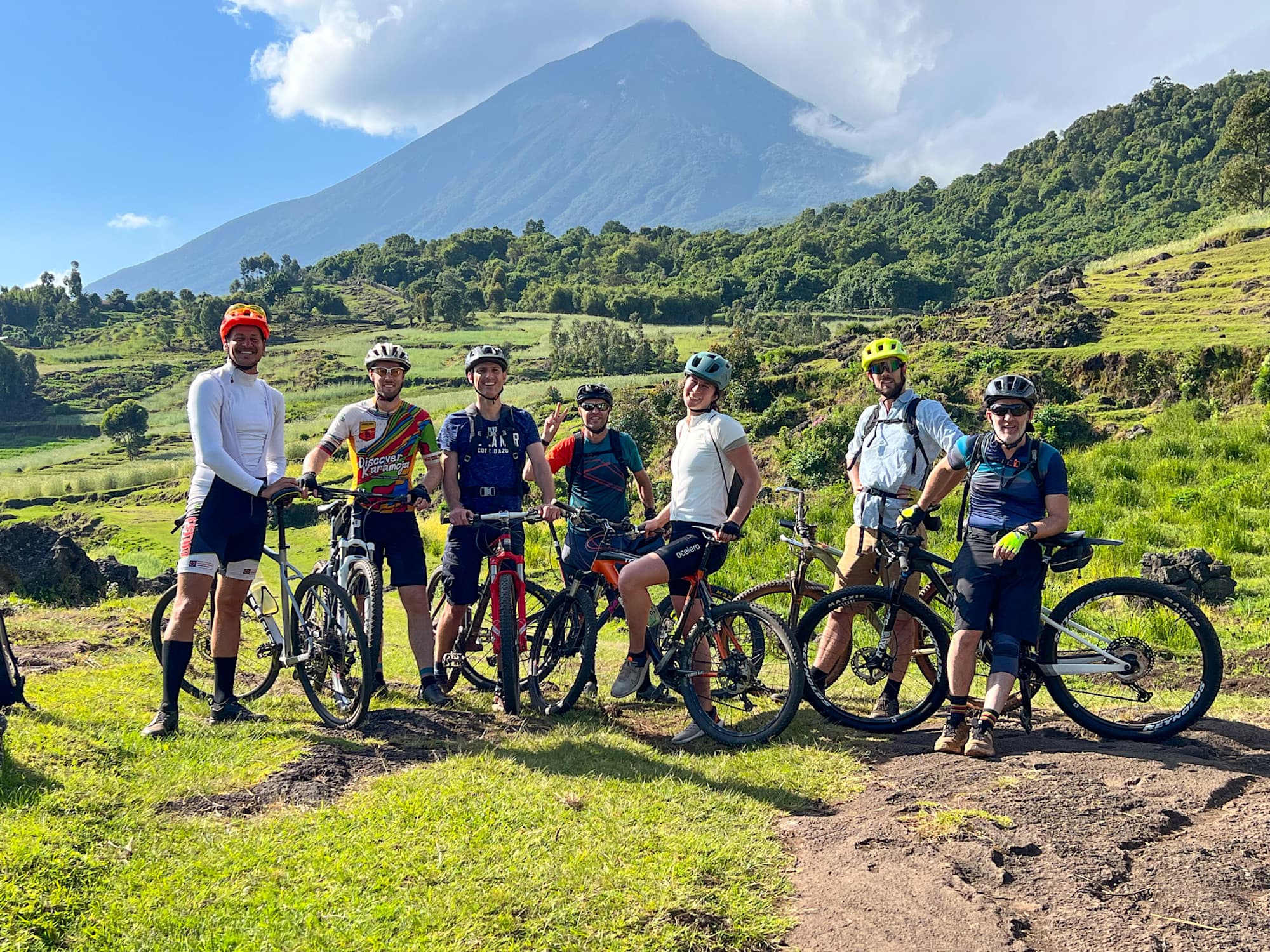
250km Ridges, Rivers and Rainforests Expedition in Uganda
13 nights from£3,394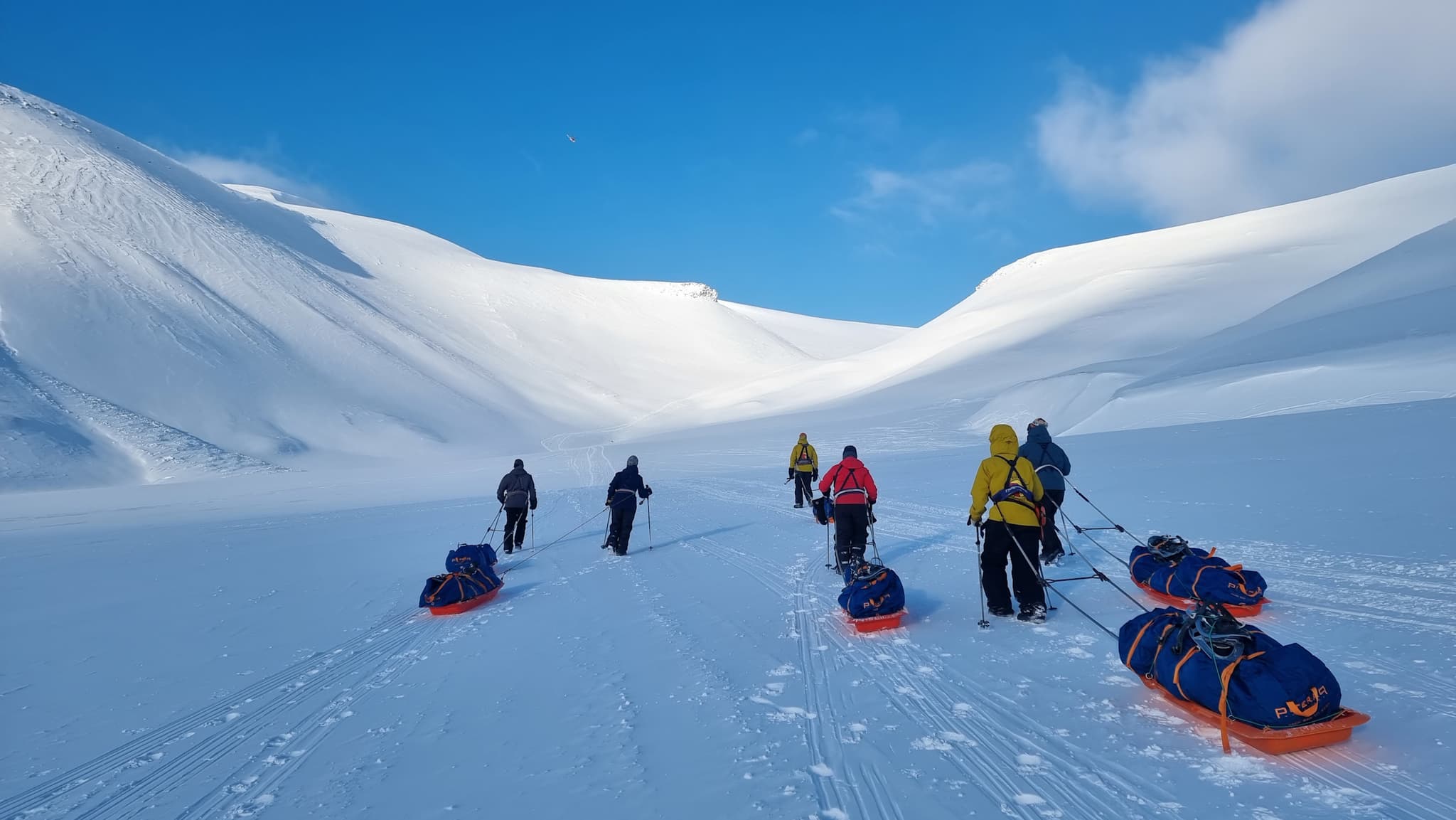
Arctic Expedition Through Svalbard in Winter
6 nights from£2,924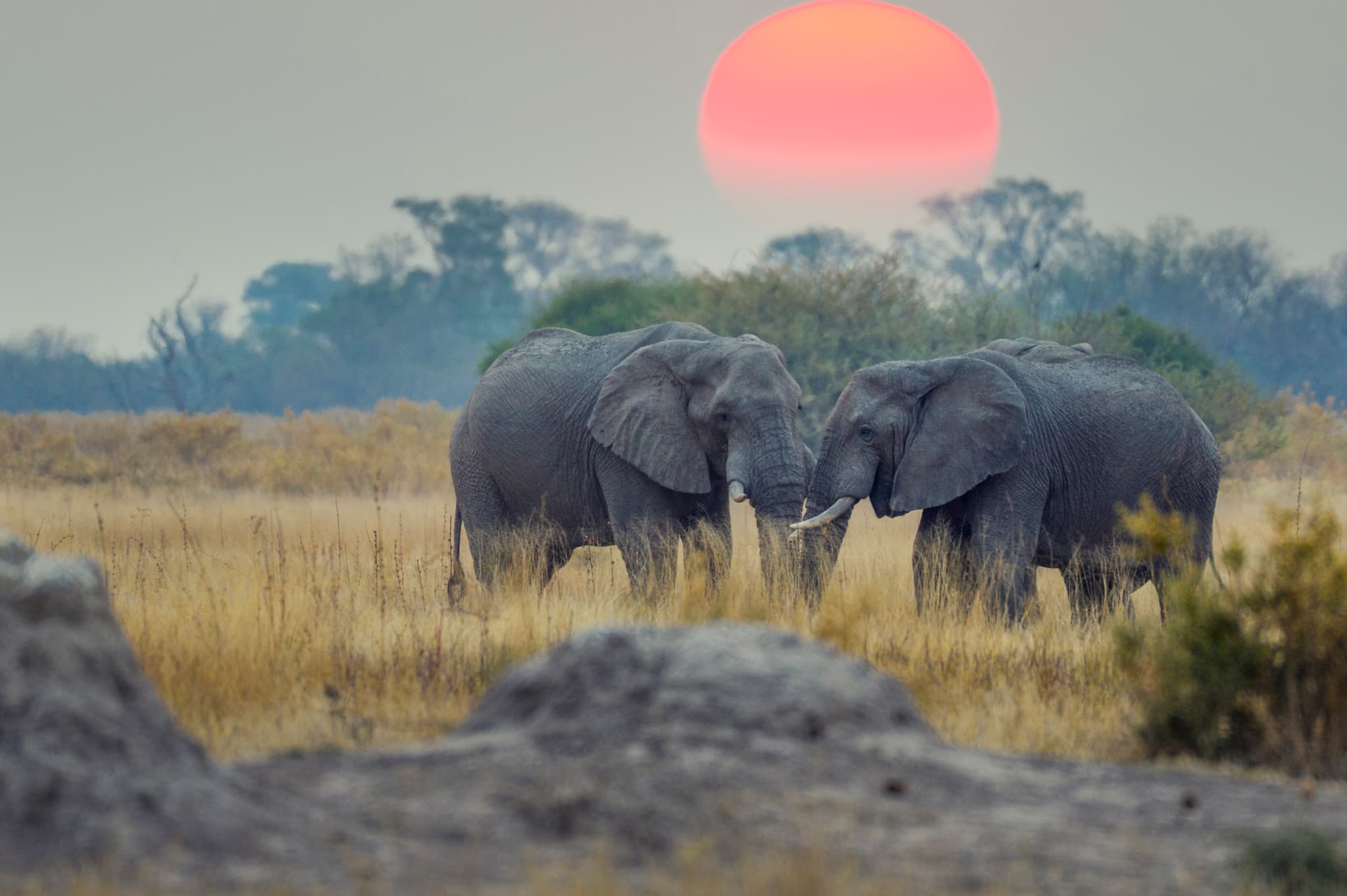
The Ultimate Adventure Through Wild Botswana
9 nights from£2,795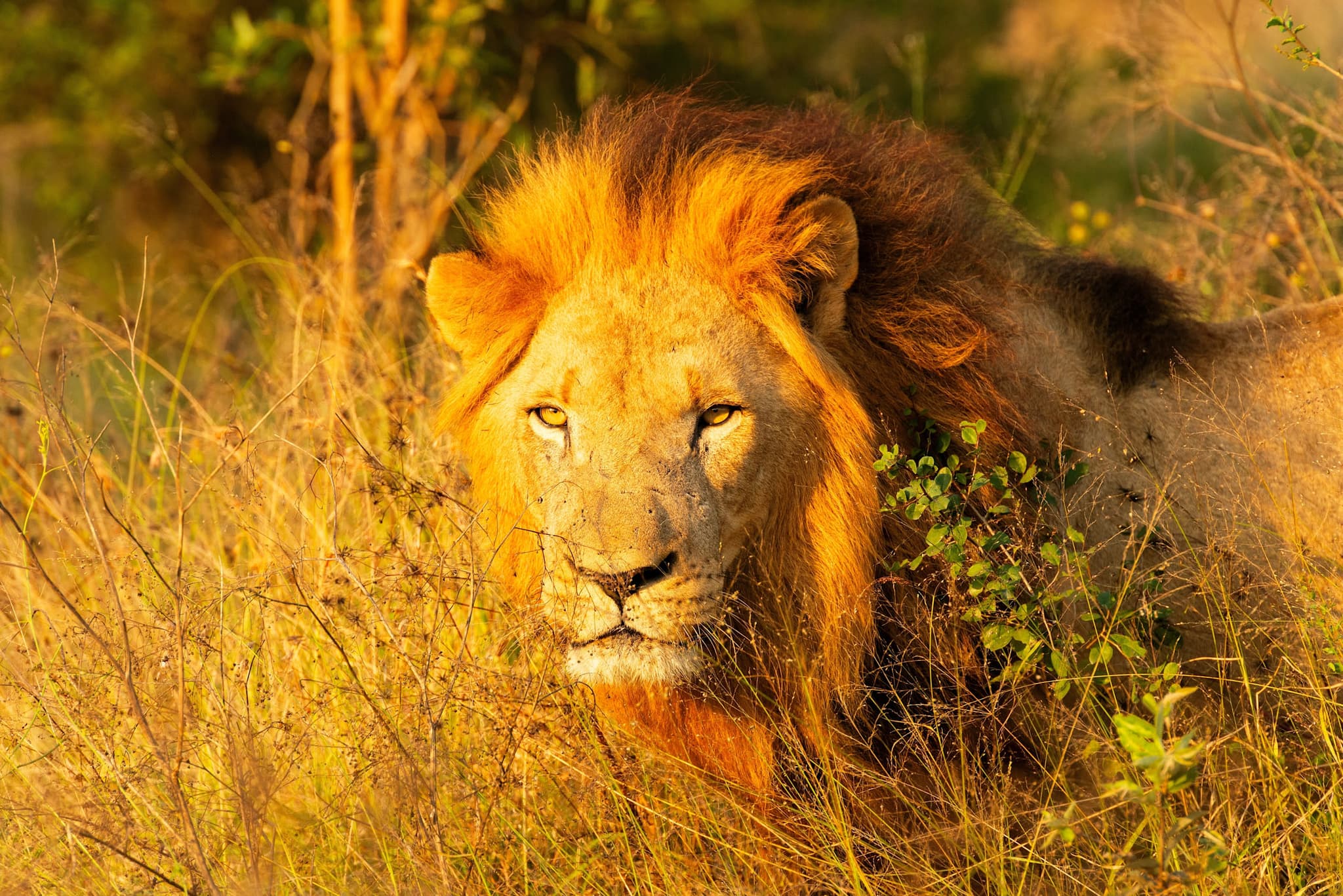
Wildlife Adventure in South Africa and Eswatini
9 nights from£2,423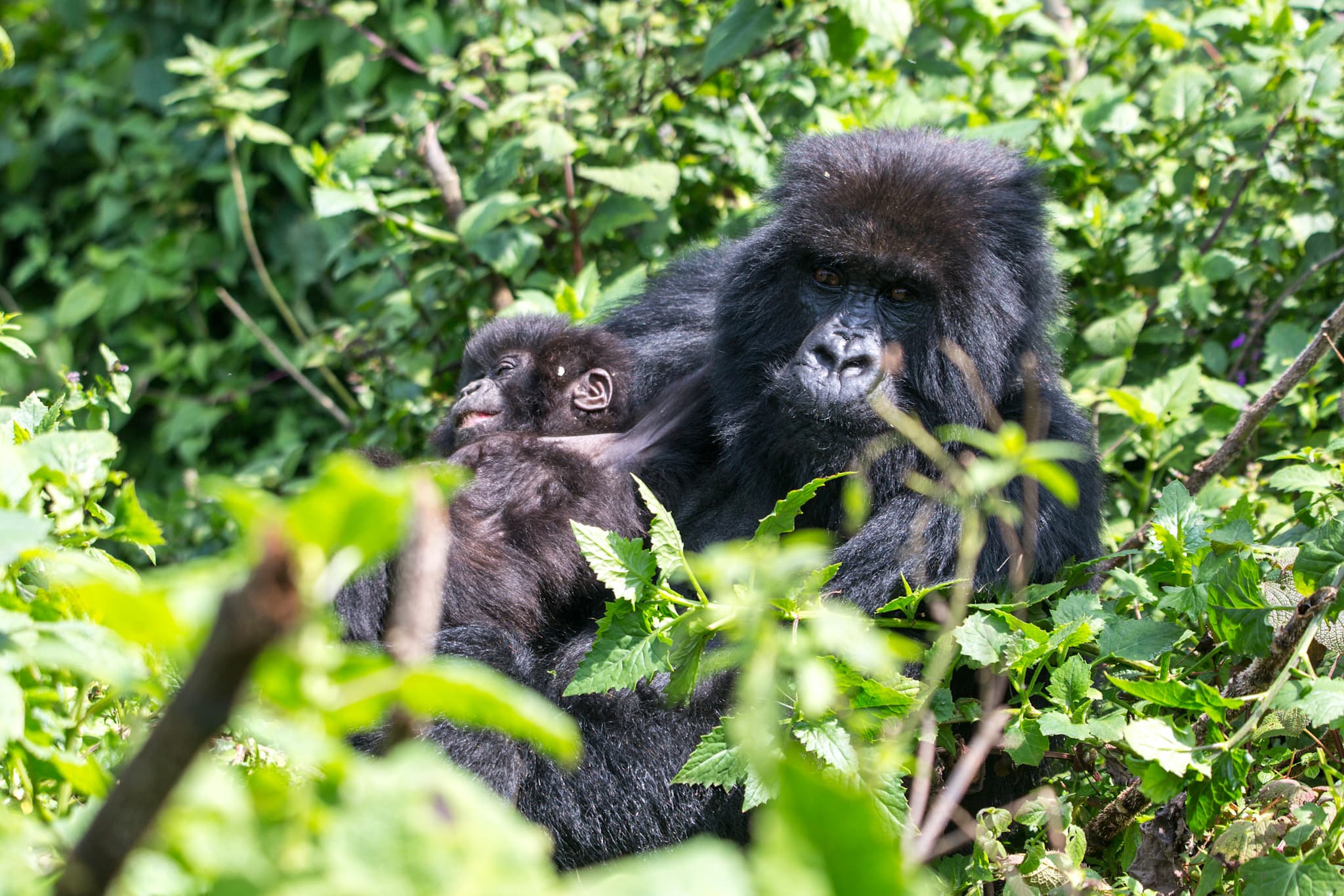
Wildlife Adventure in Rwanda
9 nights from£3,979